Scaling Up Excellence: Getting to More without Settling for Less
Scaling Up Excellence uses stories of struggle and success from various organizations to explore the idea of scaling.
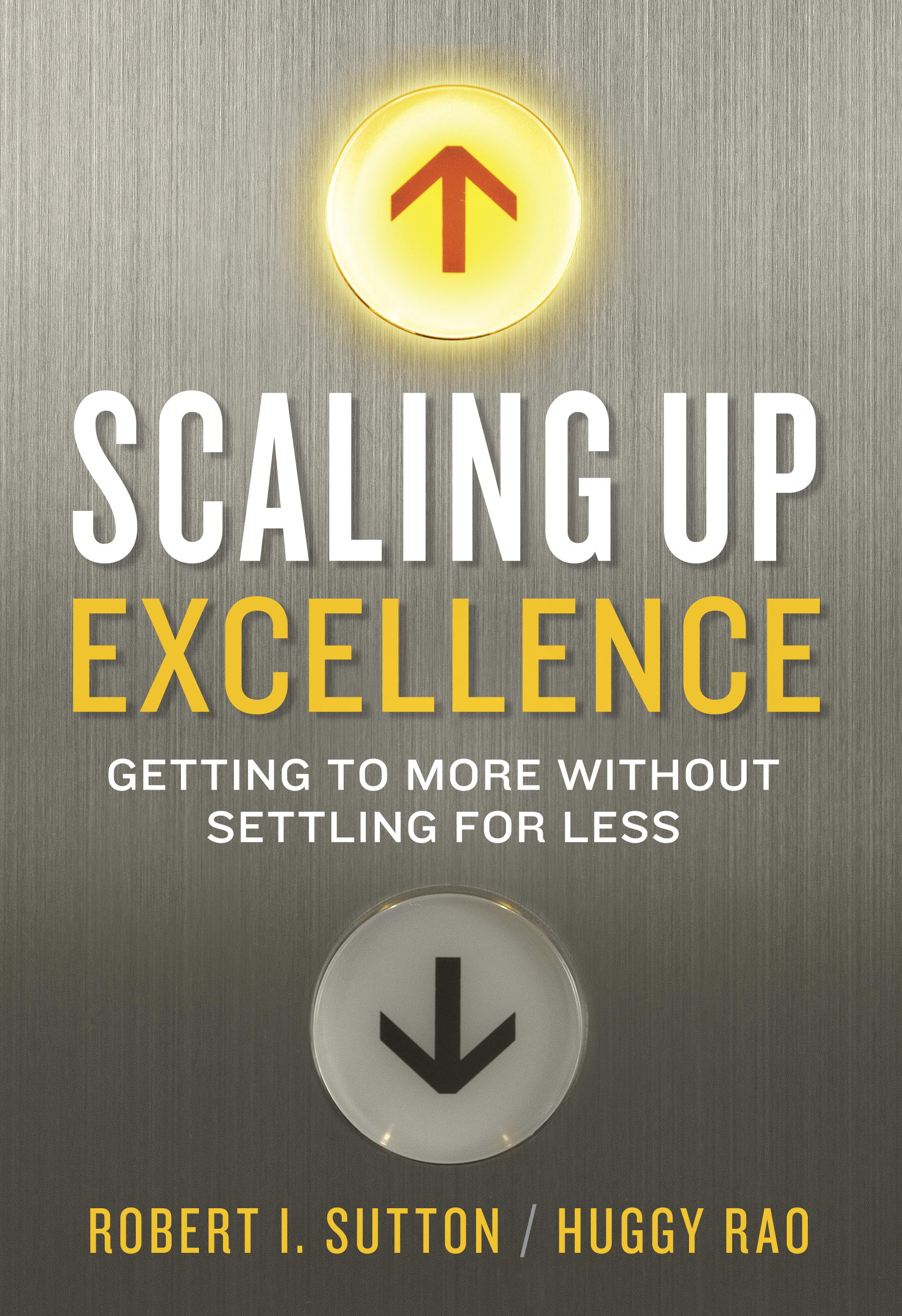
Scaling Up Excellence uses stories of struggle and success from various organizations to explore the idea of scaling.

Through an initiative called Earthwards, Johnson & Johnson aims to create a greener company—one product at a time.

People who perform volunteer work, far from being distracted by it, tend to perform better at their jobs.

TCHO company executive John Kehoe talks about the firm's goals in producing high-end products and helping farmers in developing countries.
Most socially responsible businesses won’t succeed by giving away something for free.


With an understanding of these 10 funding models, nonprofit leaders can use the for-profit world's valuable practice of engaging in succinct and clear conversations about long-term financial strategy.

The key to creating a vibrant and sustainable company is to find ways to get all employees personally engaged in day-to-day corporate sustainability efforts.

The era of corporations integrating sustainable practices is being surpassed by a new age of corporations actively transforming the market to make it more sustainable. Open access to this article is made possible by The Regents of the University of Michigan on behalf of the Erb Institute.

Business leaders play vital roles in the nonprofit sector – as board members, donors, partners, and even executives. Yet all too often they underestimate the unique challenges of managing nonprofit organizations.

Understanding these six important differences will both facilitate better conversations and help channel funds appropriately.