CSR Rule #1: Do No Harm
Corporate philanthropy is complicated and may have multiple objectives, but Peter Karoff, Founder of The Philanthropic Initiative, argues its ultimate intention should be to do no harm.
Corporate philanthropy is complicated and may have multiple objectives, but Peter Karoff, Founder of The Philanthropic Initiative, argues its ultimate intention should be to do no harm.
McAdam reviews two follow-up studies of youth activists, and assesses the experiences and their long-term effects on volunteers.
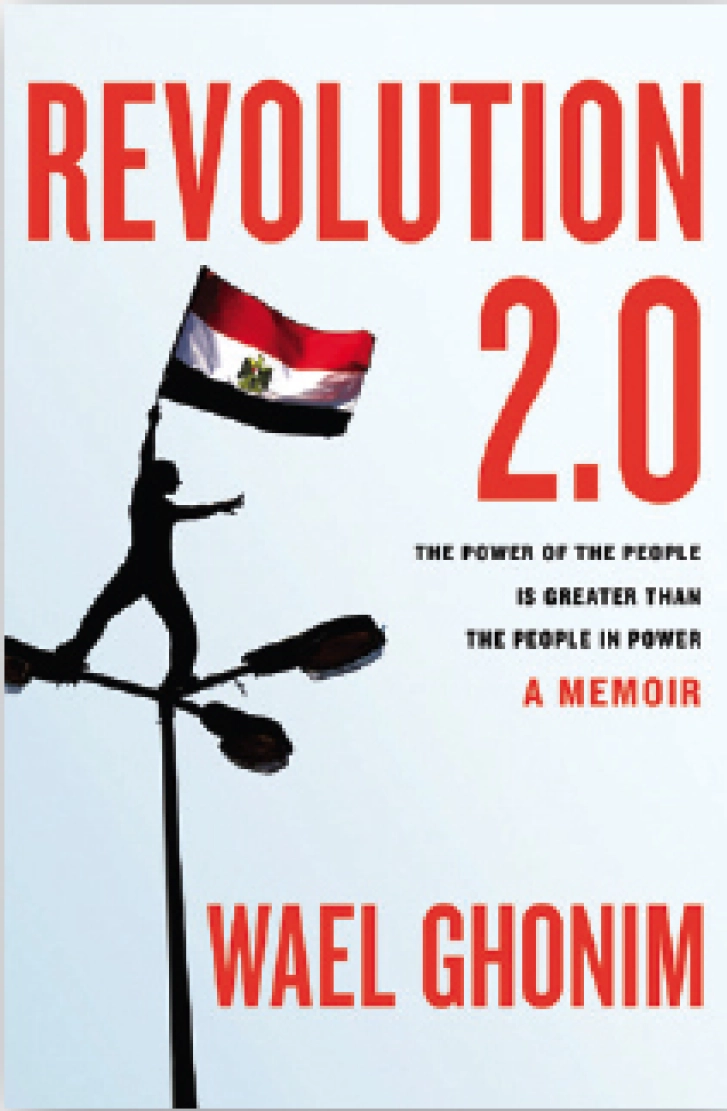
A riveting memoir by Egyptian revolutionary—and Google marketing executive—Wael Ghonim.
Circles, a national program for helping families get out of poverty, taps an underused resource: middle-class support groups.

In Kenya, civic education programs reached 4.5 million people in advance of the 2002 election.

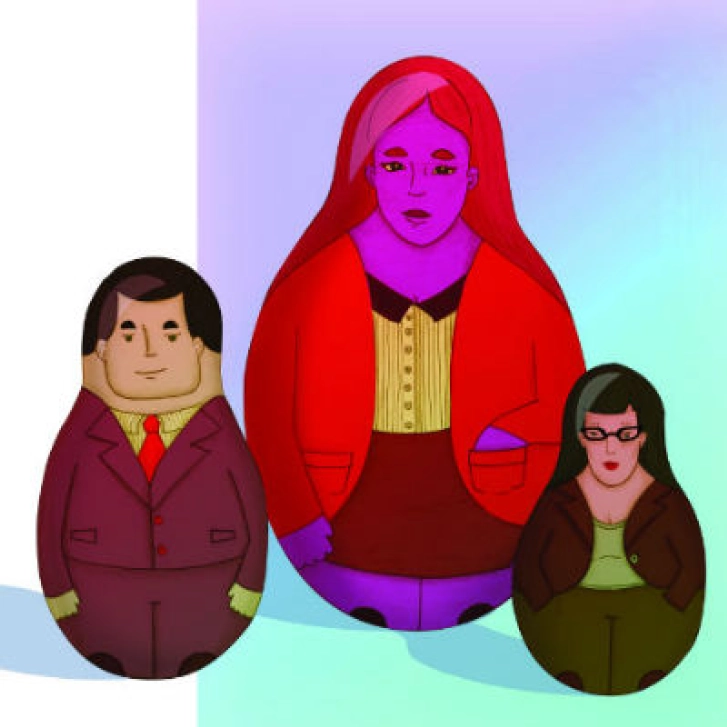
Nonprofits benefit when they carefully plan an extended role for founders who step down. Open access to this article is made possible by The Bridgespan Group.
From the archives: American charity shortchanges the poor, and public policy is partly to blame.
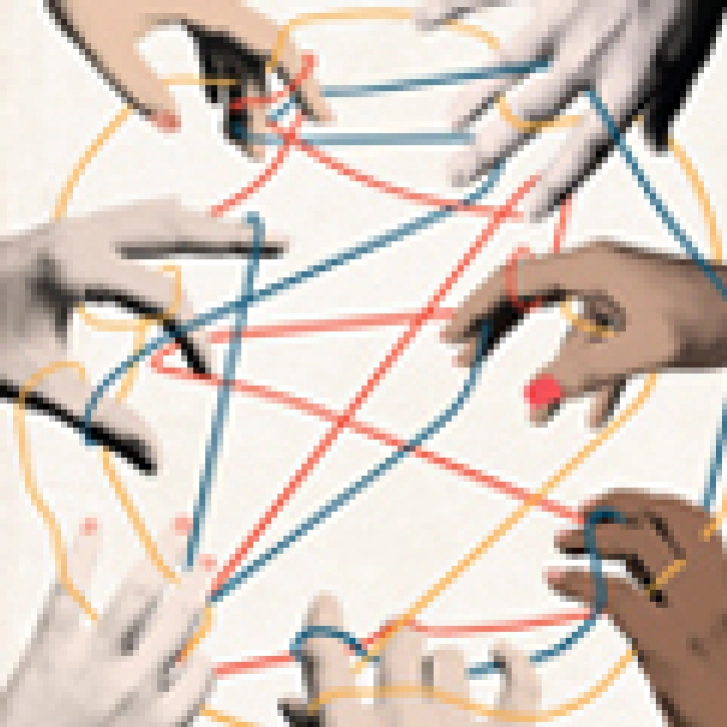
Lending circles, self-help groups, and study circles are among the oldest and most effective tools for creating personal and social change.
Voluntary carbon offsets allow people to invest in projects that allegedly counteract their greenhouse gas emissions. But can voluntary offsets help slow global warming? Or are offsets a way for consumers to buy their way out of bad feelings?
A new report examines the relationship between place and race, and disconnected youth in the United States.