


No Strings Attached
Worries about the negative effects of unconditional cash transfers to relieve poverty are greatly exaggerated.
Worries about the negative effects of unconditional cash transfers to relieve poverty are greatly exaggerated.
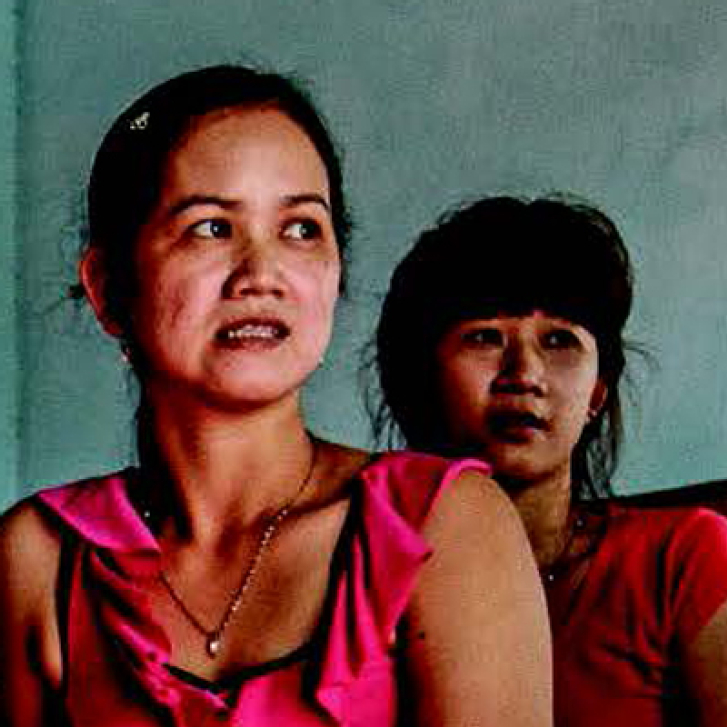
iCare is enabling Southeast Asian workers to purchase the basic goods of middle-class life without falling into debt.
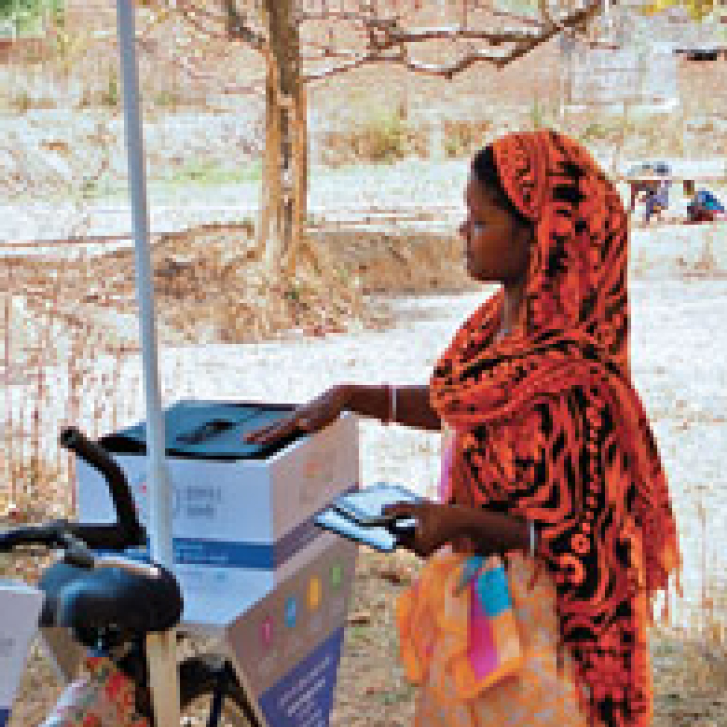
Hindi for “friend,” the Saathi Internet program enables women in rural India to help other women improve their lives and livelihoods.
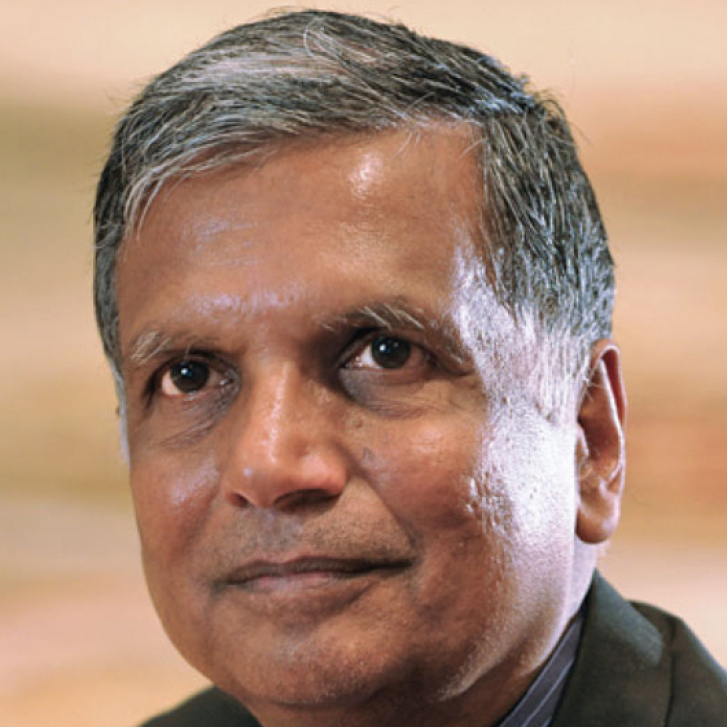
How Jaipur Living developed a global rug business, one weaver at a time, and lifted thousands out of poverty.

Top-down development doesn't work. What's needed is a "pull model" created by locals, funders, and government agencies working together as equals.


Fair Trade-certified coffee is growing in sales, but strict certification requirements are resulting in uneven economic advantages for coffee growers and lower quality coffee for consumers.

Six pathways to making housing more affordable and available from the Ivory Prize for Housing Affordability.
Why Kiva chose to be a 501(c)(3), what this tax status buys the organization, and how being a nonprofit poses challenges.

A new approach to measuring poverty is needed, one that accounts for multiple factors such as housing, and regional economic differences.

To cure the social sector’s metric monomania, we must get comfortable with complexity.