


Will a Higher Minimum Wage Help the Poor?
Raising the minimum wage appears to help the poor, but these policies fail to create the conditions that help people move from poverty to prosperity.
Raising the minimum wage appears to help the poor, but these policies fail to create the conditions that help people move from poverty to prosperity.

A new approach to strategy is producing collaborations that are replicable, scalable, and sustainable.
Why the international development community cannot ignore the role of politics in creating sustainable social change.
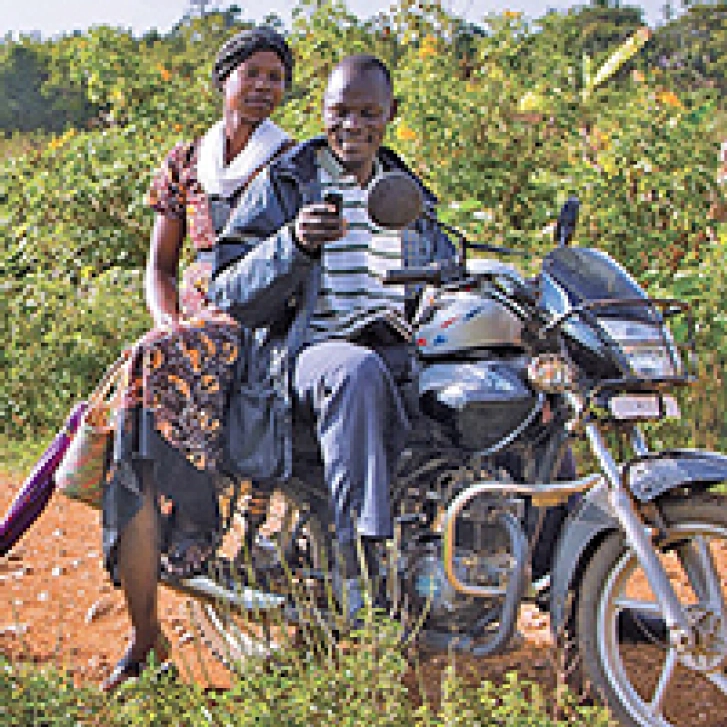
GiveDirectly relies on high tech and hard data to test whether large cash transfers can alleviate extreme poverty.
The limits of technocratic, one-size-fits-all approaches to economic development have become all too evident.

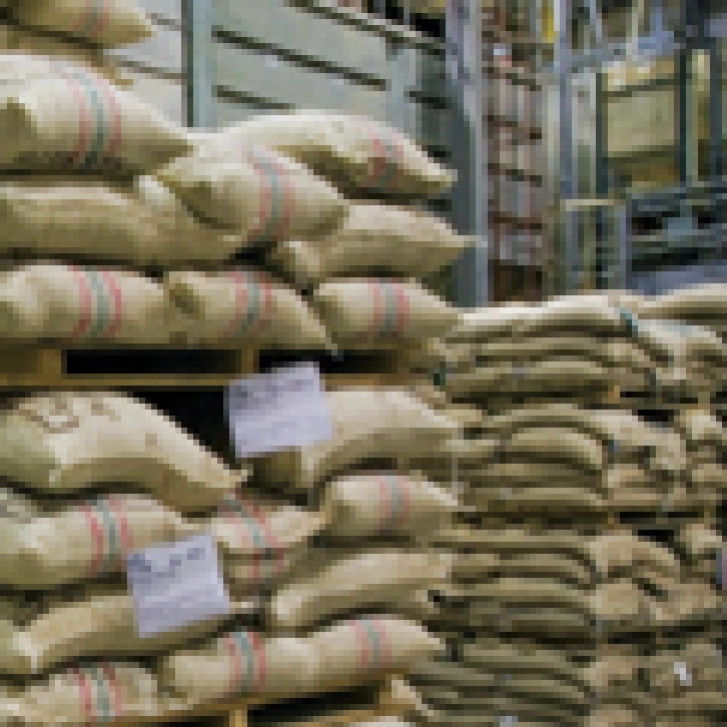
Fair Trade-certified coffee is growing in sales, but strict certification requirements are resulting in uneven economic advantages for coffee growers and lower quality coffee for consumers.

Impact evaluations are an important tool for learning about effective solutions to social problems, but they are a good investment only in the right circumstances.

In adopting data-driven practices, leaders must design and implement programs in ways that engage community members directly in the work of social change.
Why Kiva chose to be a 501(c)(3), what this tax status buys the organization, and how being a nonprofit poses challenges.
A suggested reading list to provide a foundation for understanding development, aid, and poverty.