

Unlocking the Innovation Potential of Biocultural Capital
To create a more resilient and equitable world, the fragile potentiality of our planet’s biological and cultural diversity must be converted, conserved, and constructed.

To create a more resilient and equitable world, the fragile potentiality of our planet’s biological and cultural diversity must be converted, conserved, and constructed.

Suggested books and articles from SSIR’s editors.
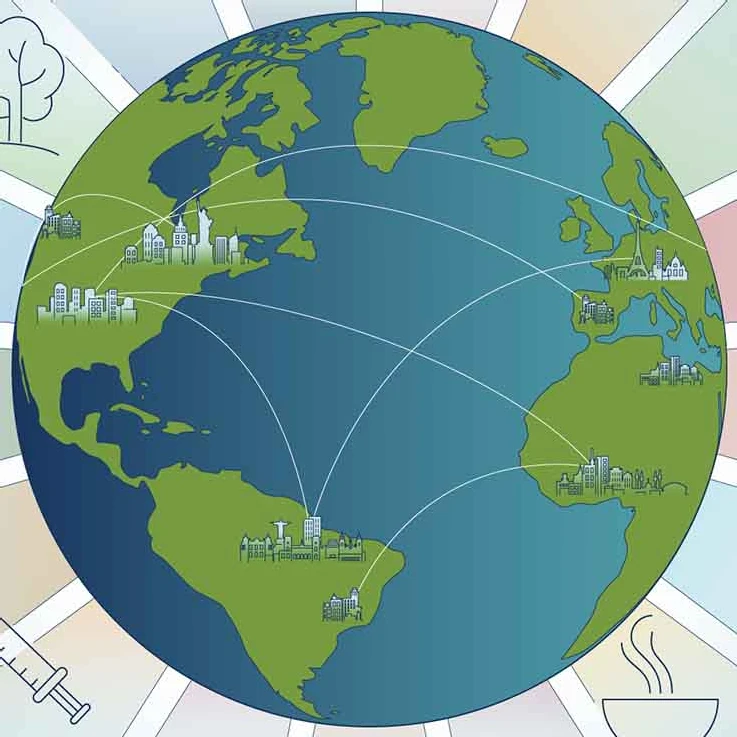
Learning from global peers and using the sustainable development goals as a framework for measuring progress, US cities are accelerating solutions to social problems.

The climate movement has lessons for all social impact practitioners working to create a more just and healthy world.

Ken Pucker responds to his readers’ critiques of his Up for Debate article “A Circle That Isn’t Easily Squared” and reiterates his call for a systemic shift in how the fashion industry does business.


The key to creating a vibrant and sustainable company is to find ways to get all employees personally engaged in day-to-day corporate sustainability efforts.

The era of corporations integrating sustainable practices is being surpassed by a new age of corporations actively transforming the market to make it more sustainable. Open access to this article is made possible by The Regents of the University of Michigan on behalf of the Erb Institute.

For much of its history, Wal-Mart’s corporate management team toiled inside its “Bentonville Bubble,” narrowly focused on operational efficiency, growth, and profits. But now the world's largest retailer has widened its sights, building networks of employees, nonprofits, government agencies, and suppliers to “green” its supply chains. Here's how and why the world’s largest retailer is using a network approach to decrease its environmental footprint – and to increase its profitability.

To do as much good as possible with limited resources, funders should look to woefully underfunded protest movements.
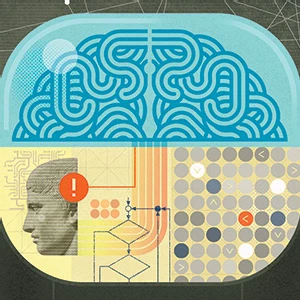
Using artificial intelligence to predict behavior can lead to devastating policy mistakes. Health and development programs must learn to apply causal models that better explain why people behave the way they do to help identify the most effective levers for change.