


SSIR Online, Fall 2021 Issue
Links to all of SSIR's online-only articles published the past three months, with editors' notes about standout pieces on racism, the social economy, grassroots movements, global development, and the climate crisis.

Links to all of SSIR's online-only articles published the past three months, with editors' notes about standout pieces on racism, the social economy, grassroots movements, global development, and the climate crisis.

With environmental devastation and social injustices pushing the planet to the breaking point, a stronger environmental, social, and governance (ESG) ratings system is needed to ensure investors get the positive impact they're paying for.
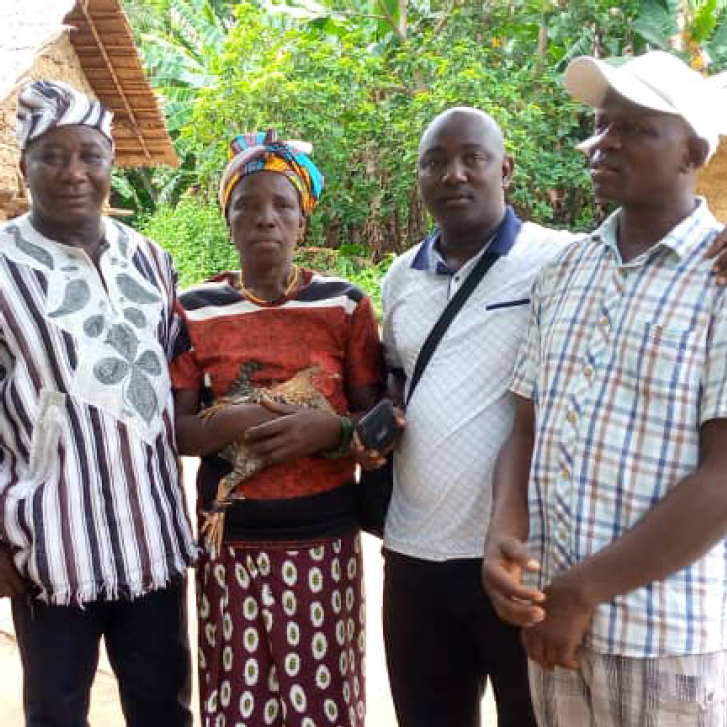
Namati provides legal knowledge to communities around the world to help them defend their land, environmental, and other civil rights against abuse by commercial and political aggressors.

Climate justice means centering the Indigenous communities who have been on the ground implementing regenerative solutions.

Corporate sustainability programs have grown dramatically, but biases have crippled their effectiveness. We identify three critical steps for reform.


The key to creating a vibrant and sustainable company is to find ways to get all employees personally engaged in day-to-day corporate sustainability efforts.

The era of corporations integrating sustainable practices is being surpassed by a new age of corporations actively transforming the market to make it more sustainable. Open access to this article is made possible by The Regents of the University of Michigan on behalf of the Erb Institute.

For much of its history, Wal-Mart’s corporate management team toiled inside its “Bentonville Bubble,” narrowly focused on operational efficiency, growth, and profits. But now the world's largest retailer has widened its sights, building networks of employees, nonprofits, government agencies, and suppliers to “green” its supply chains. Here's how and why the world’s largest retailer is using a network approach to decrease its environmental footprint – and to increase its profitability.

To do as much good as possible with limited resources, funders should look to woefully underfunded protest movements.

Using artificial intelligence to predict behavior can lead to devastating policy mistakes. Health and development programs must learn to apply causal models that better explain why people behave the way they do to help identify the most effective levers for change.