


sponsored
Co-Powering an Emergent Horizon
The public is not a monolith—it’s an interdependent ecosystem of communities who must determine the tools for a more caring future.
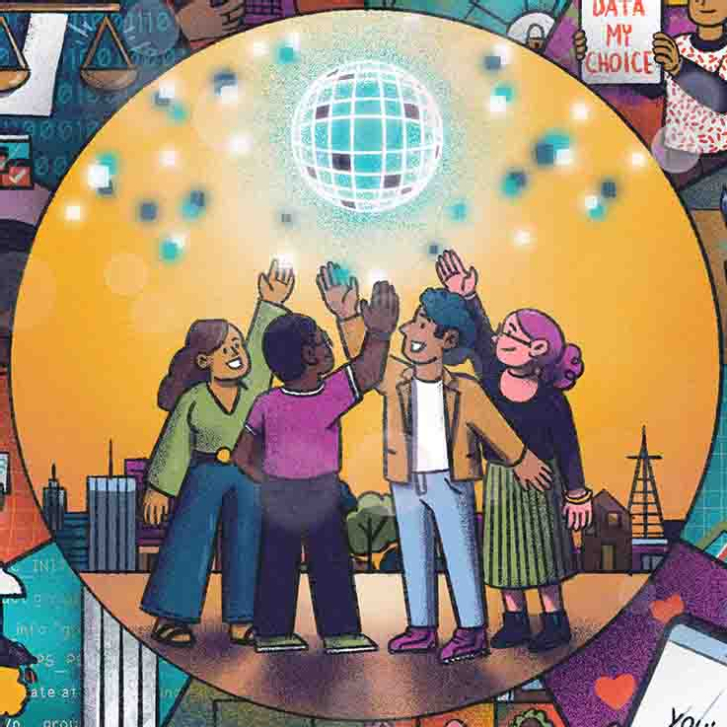
The public is not a monolith—it’s an interdependent ecosystem of communities who must determine the tools for a more caring future.

Chicago CRED proceeds from the belief that the individuals most at risk are not the problem—they are the solution.

What, above all else, drives leaders to direct or redirect their lives, to tackle seemingly intractable problems, and to stay true to their values in the face of enormous challenges?

These leaders’ assets go beyond experiences of oppression or marginalization to include the connection, meaning, and joy they can draw on from their respective cultures and communities.
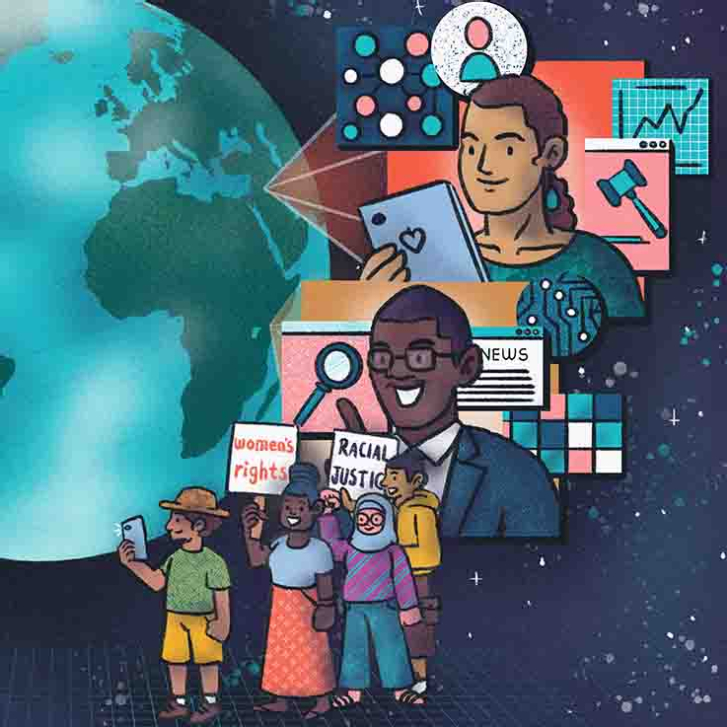
Stories from Mozilla and Ford’s Tech & Society Fellowship, plus five lessons for funders.


Our understanding of community can help funders and evaluators identify, understand, and strengthen the communities they work with.

Too many people believe social value is objective, fixed, and stable, when in fact it is subjective, malleable, and variable.
These leaders’ assets go beyond experiences of oppression or marginalization to include the connection, meaning, and joy they can draw on from their respective cultures and communities.
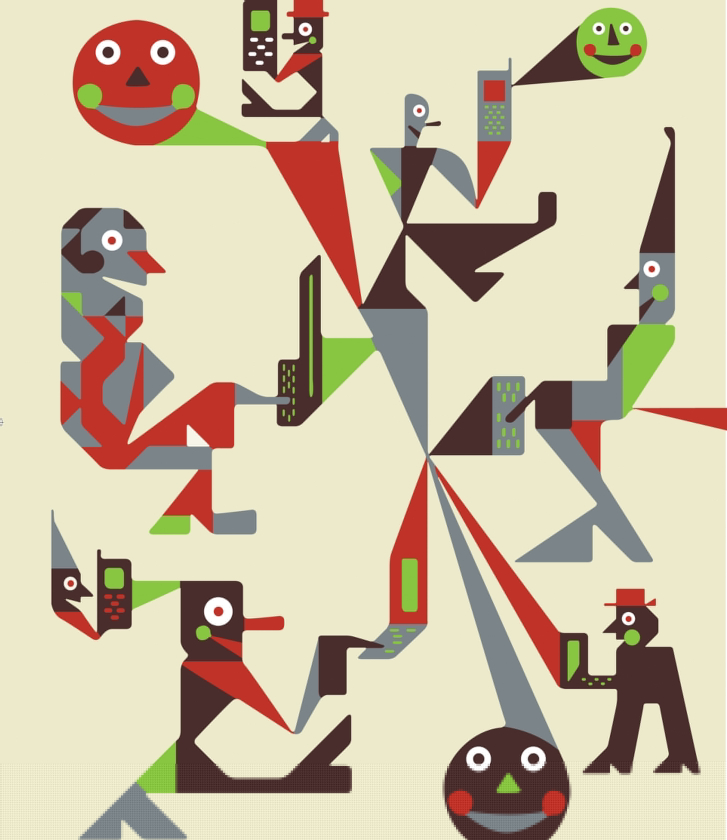
A few nonprofits are using social media to fundamentally change the way they work and increase their social impact.

A clear definition of equity would seem paramount to galvanizing philanthropy into action around this increasingly used term—but the field is only beginning to explore what it really means.