sponsored
East Asia’s Role in Global Social Innovation
Can East Asian countries be as successful at devising innovative ways to improve society as they have been at growing their economies?
Can East Asian countries be as successful at devising innovative ways to improve society as they have been at growing their economies?

Two decades of giving have taught philanthropist Rohini Nilekani the value of pursuing unconventional approaches to tackling social problems.
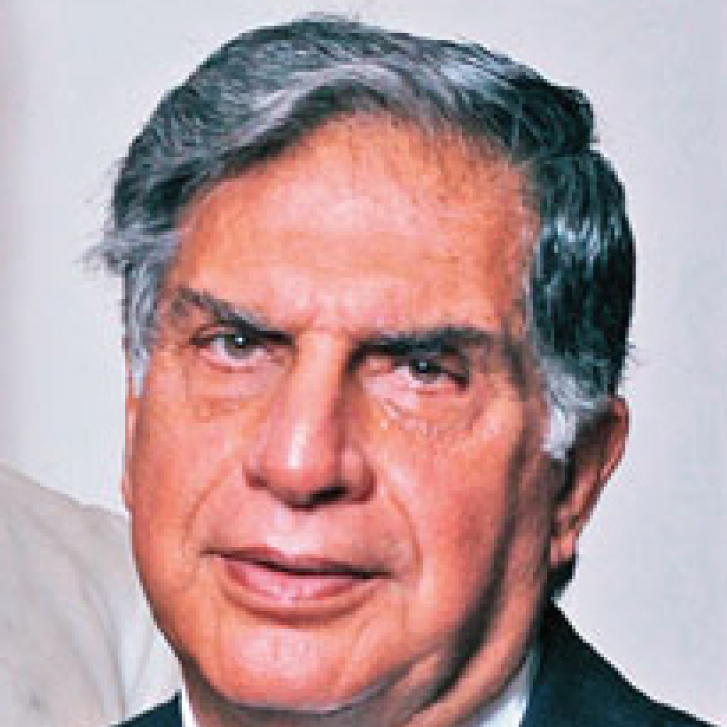
Since becoming chairman of Tata Trusts, Ratan Tata has shifted the trusts’ focus from charitable work to programs that seek to transform lives.
To bring more resources to bear on the challenges facing children and families, funders can step outside their traditional grantmaking role to invest in innovative and mission-focused efforts.

Many organizations are creating and disseminating knowledge about the practice of philanthropy, but does that information actually influence how funders operate?


Our understanding of community can help funders and evaluators identify, understand, and strengthen the communities they work with.

Too many people believe social value is objective, fixed, and stable, when in fact it is subjective, malleable, and variable.

These leaders’ assets go beyond experiences of oppression or marginalization to include the connection, meaning, and joy they can draw on from their respective cultures and communities.

A few nonprofits are using social media to fundamentally change the way they work and increase their social impact.

A clear definition of equity would seem paramount to galvanizing philanthropy into action around this increasingly used term—but the field is only beginning to explore what it really means.