Challenging the Orthodoxies of Philanthropy
Are traditional assumptions about how we “do” philanthropy preventing us from finding new and better ways of working?
Are traditional assumptions about how we “do” philanthropy preventing us from finding new and better ways of working?
Three ways to create an environment where interdependent stakeholders can perform their individual roles optimally and collaborate with each other effectively.
If we want the nonprofit sector to innovate, we need to acknowledge the gender gap between nonprofits and the private sector.
The nonprofit funding process lacks transparency and fosters insecurity—and only funders can fix it.

No-strings-attached prizes incentivize innovation, but private foundations need to structure them carefully to avoid prohibitive penalty taxes.


Our understanding of community can help funders and evaluators identify, understand, and strengthen the communities they work with.
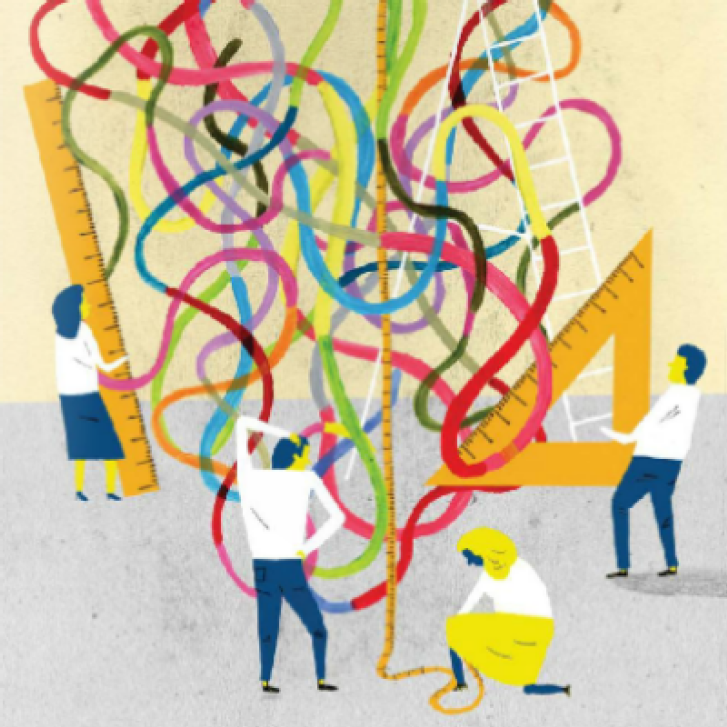
Too many people believe social value is objective, fixed, and stable, when in fact it is subjective, malleable, and variable.

These leaders’ assets go beyond experiences of oppression or marginalization to include the connection, meaning, and joy they can draw on from their respective cultures and communities.
A few nonprofits are using social media to fundamentally change the way they work and increase their social impact.

A clear definition of equity would seem paramount to galvanizing philanthropy into action around this increasingly used term—but the field is only beginning to explore what it really means.