The Wrong Risks
By paying so much attention to managing their own risks, philanthropists are no longer attending to the marginalized people who risk so much to make change happen.
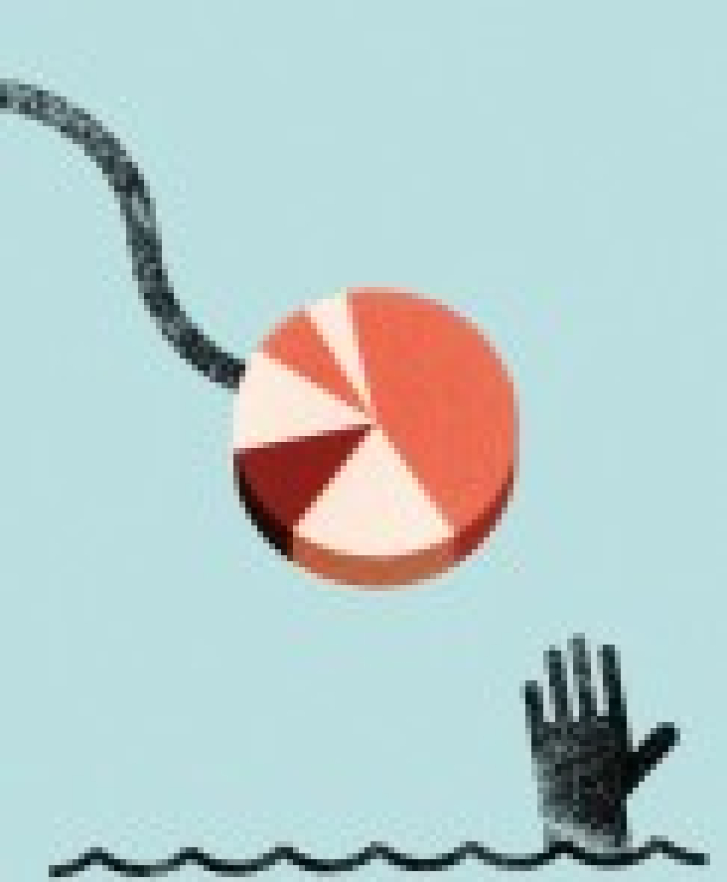
By paying so much attention to managing their own risks, philanthropists are no longer attending to the marginalized people who risk so much to make change happen.
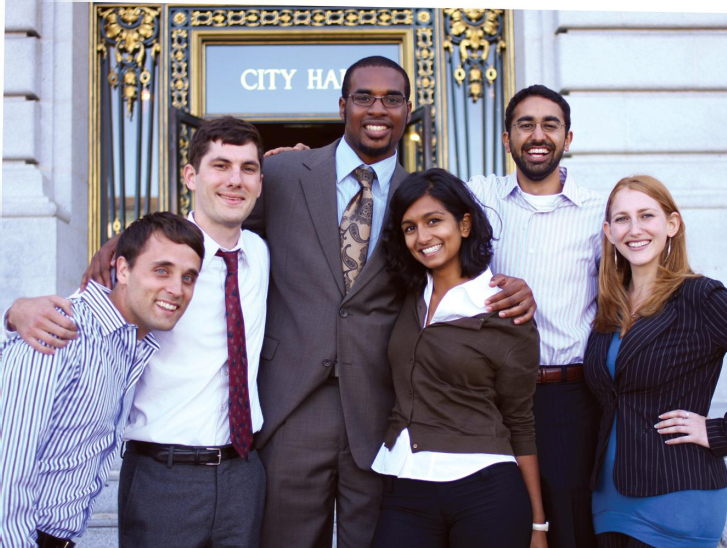
To halt the greying of municipal government, the City Hall Fellows program offers recent college graduates a year-long stint working on everyday challenges such as transportation, public works, and housing.
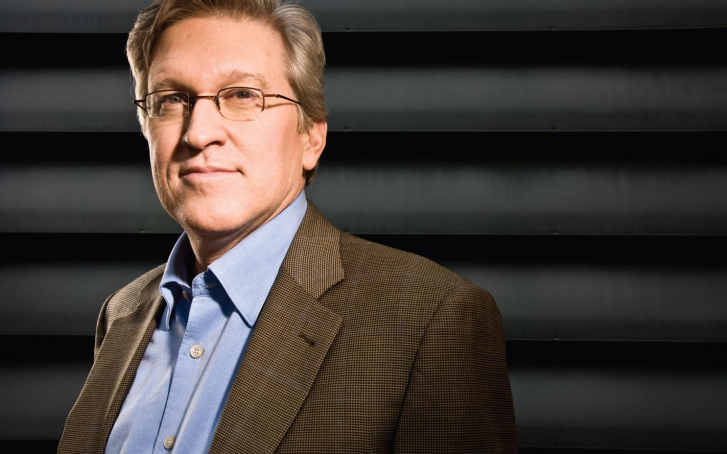
Jeff Raikes takes over the Gates Foundation at a turbulent time when philanthropic resources are down and social needs are up.
Rural America is largely off the radar of much of philanthropy.

A pluralistic society boasts many independent centers of power and foundations have an instrumental role in supporting such diversity. Online giving marketplaces are further democratizing philanthropy by empowering donors to support the causes they care about. In this panel discussion, sponsored by the Stanford Center for Social Innovation, experts in the field consider whether such online spaces are simply useful adjuncts to the work of philanthropy—or whether they promise to revolutionize the sector altogether.


Our understanding of community can help funders and evaluators identify, understand, and strengthen the communities they work with.
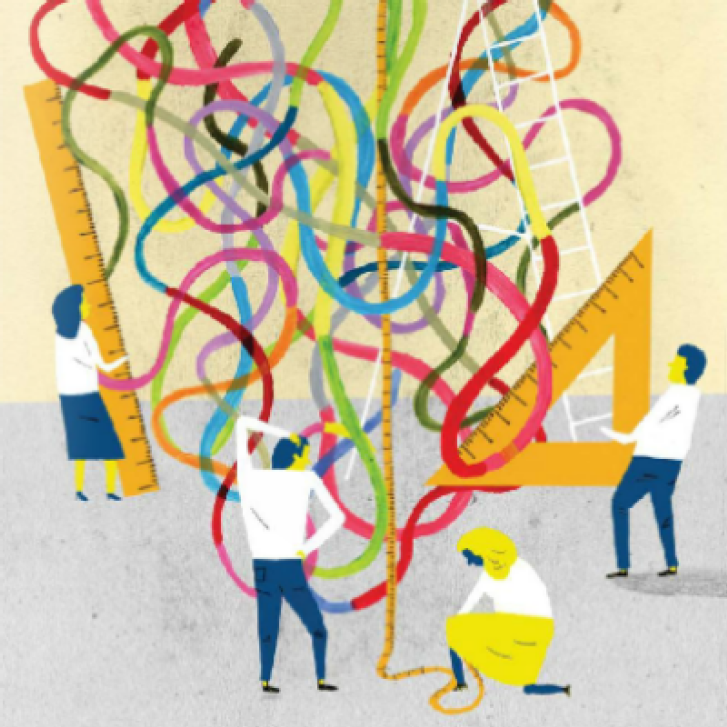
Too many people believe social value is objective, fixed, and stable, when in fact it is subjective, malleable, and variable.
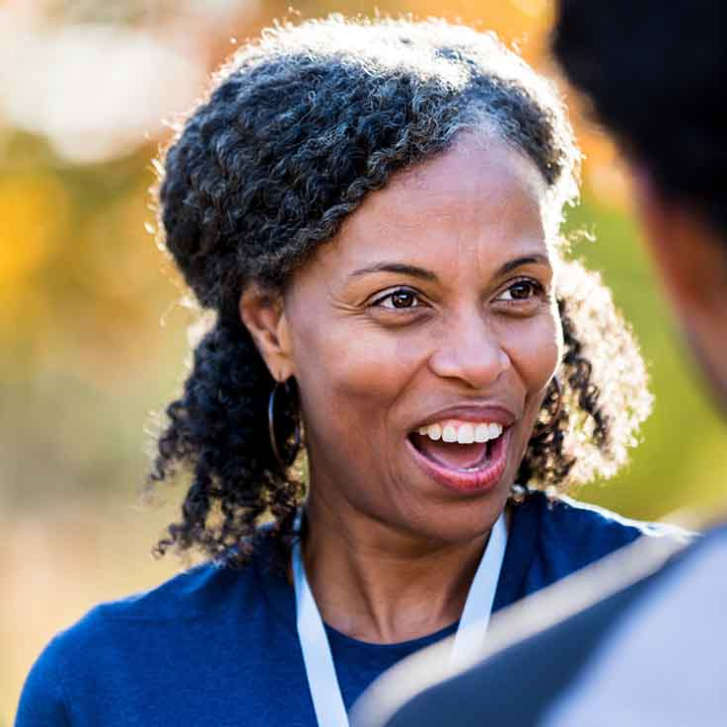
These leaders’ assets go beyond experiences of oppression or marginalization to include the connection, meaning, and joy they can draw on from their respective cultures and communities.
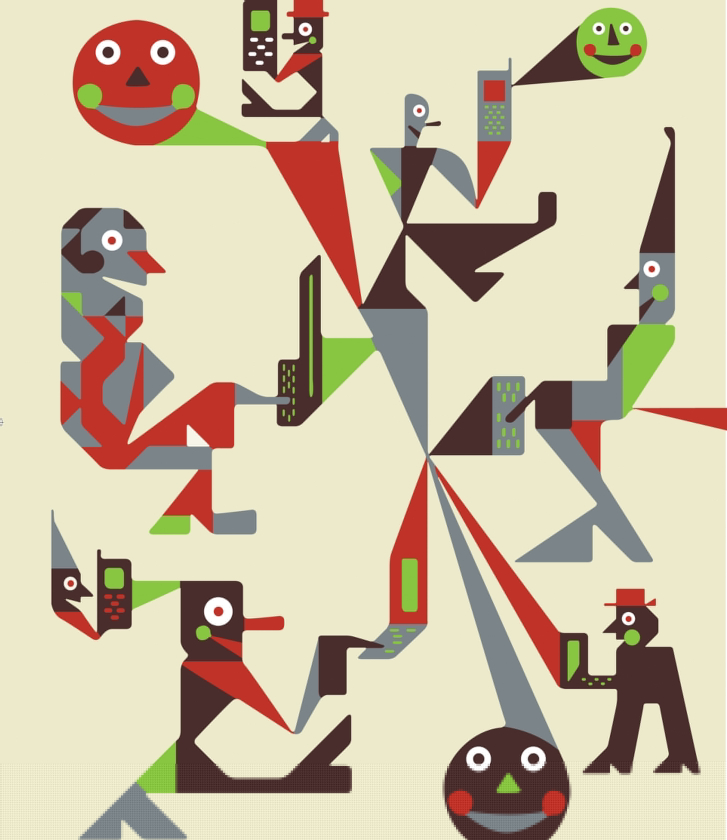
A few nonprofits are using social media to fundamentally change the way they work and increase their social impact.

A clear definition of equity would seem paramount to galvanizing philanthropy into action around this increasingly used term—but the field is only beginning to explore what it really means.