


Throwing Good Money After Bad
A common error misleads foundations and policymakers.
A common error misleads foundations and policymakers.
Though rarely discussed in America, the subtle differences between social classes lead to major misunderstandings in the classroom, the workplace, and in many nonprofit settings.
Study shows machine politics' role in welfare.
Nonprofits not muzzled by government money.
A California mayor’s challenge leads to an innovative resource-pooling strategy.


Social entrepreneurship and social enterprise have become popular and positive rallying points for those trying to improve the world, but social innovation is a better vehicle for understanding and creating social change in all of its manifestations.
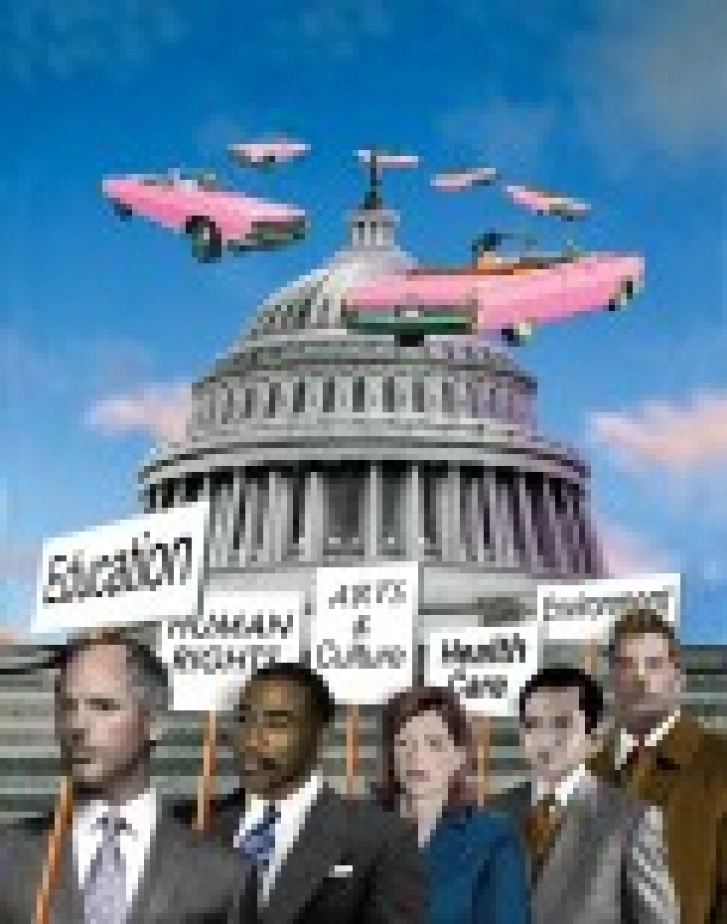
In their efforts to be socially responsible, most companies fail to wield their most powerful tool: lobbying. Yet corporations such as Mary Kay, Royal Dutch Shell, and General Motors are increasingly leveraging their deep pockets, government contacts, and persuasive powers for the cause of good. Not all kinds of socially responsible lobbying are created equal, however. The authors discuss which forms are best for companies and society.

Joanne Weiss is in charge of the federal government’s $4.3 billion Race to the Top Fund, a new program that is funding innovations in K-12 education.

Voluntary carbon offsets allow people to invest in projects that allegedly counteract their greenhouse gas emissions. But can voluntary offsets help slow global warming? Or are offsets a way for consumers to buy their way out of bad feelings?
A longer version of "When Can Impact Investing Create Real Impact?" from the Fall 2013 Up for Debate feature.