From Stalemate to Solutions
By using a dynamic framework for authentic collaboration, we can increase the potential for problem-solving and create long-term, societal level change.

By using a dynamic framework for authentic collaboration, we can increase the potential for problem-solving and create long-term, societal level change.

How the California Heath Care Foundation sparked statewide change by “showing” rather than “telling” its data, making use of existing partnerships, and funding what works.
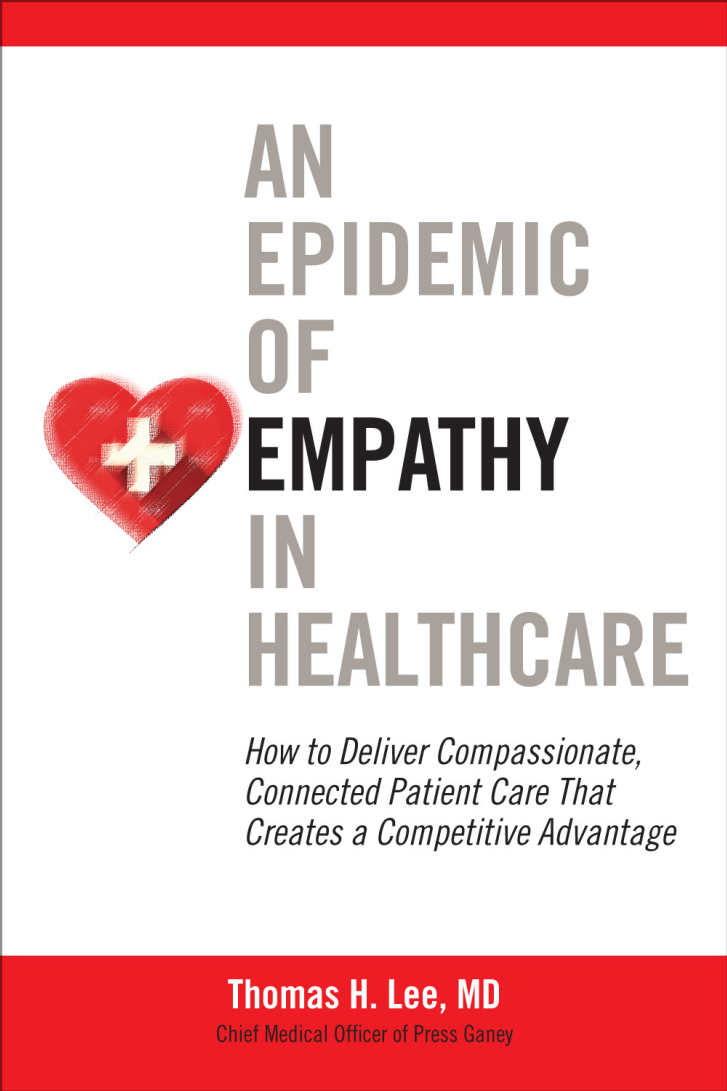
A new book looks at how to deliver compassionate, connected patient care—and how that approach can create a competitive advantage.
Social finance could provide much-needed incentives for the development of known generic drugs to treat new diseases.
For years, the international aid community has stigmatized, mistreated, or simply ignored the millions of people who suffer from mental illness. We need a new approach.


Our understanding of community can help funders and evaluators identify, understand, and strengthen the communities they work with.

Two veterans of consumer psychology, marketing, and entrepreneurship provide a guide to using social media for social change.

Instead of pressuring already-stressed individuals to fix themselves, true wellness requires organization-level interventions.

Using artificial intelligence to predict behavior can lead to devastating policy mistakes. Health and development programs must learn to apply causal models that better explain why people behave the way they do to help identify the most effective levers for change.

Two years ago I quit my nonprofit CEO job. I’ve just had the two most productive years of my career.