A Win-Win for Haiti
Partners in Health and Abbott Laboratories are building a new plant in Corporant, Haiti to produce a therapeutic food called Nourimanba.
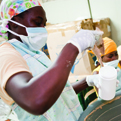
Partners in Health and Abbott Laboratories are building a new plant in Corporant, Haiti to produce a therapeutic food called Nourimanba.
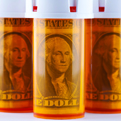
The diseases that get funded tend to be the ones for which funders can take credit.

Representatives from various investment firms explain the medical innovation funding landscape, and advise early stage innovators with creative ways to navigate these complexities.

Park discusses how methods of efficiency developed in industries outside of health care need to be brought in to rework the health care industry.
Workplace wellness councils are emerging as one of the most powerful leaders in reducing health care costs and improving health.


Our understanding of community can help funders and evaluators identify, understand, and strengthen the communities they work with.

Two veterans of consumer psychology, marketing, and entrepreneurship provide a guide to using social media for social change.

Instead of pressuring already-stressed individuals to fix themselves, true wellness requires organization-level interventions.

Using artificial intelligence to predict behavior can lead to devastating policy mistakes. Health and development programs must learn to apply causal models that better explain why people behave the way they do to help identify the most effective levers for change.

Two years ago I quit my nonprofit CEO job. I’ve just had the two most productive years of my career.