
Health Innovations in health care policies and programs

Latest

Dr. Paul Farmer - Partners In Health

Recipient of the 9th Annual Heinz Award for the Human Condition, Paul Farmer is a medical doctor and a professor of anthropology at Harvard's medical school. He shuttles between Harvard and Haiti, where he maintains a practice at Clinique Bon Saveur, a charity hospital he founded. Farmer talks in this audio interview with Globeshakers host Tim Zak about the challenges and rewards of providing healthcare to the poorest of the poor, and the evolving, innovative models for getting drugs to those who need them most.


With Vigor and VIM

By Leslie Berger 5

How retired healthcare professionals are taking care of the uninsured.

Tainted Love

By Maia Szalavitz

Tough love programs hurt addicts and adolescents.

Randy Martin - Speed and Agility Versus Cost

Randy Martin has been in the business of humanitarian disaster relief for 25 years. In this audio lecture recorded at the Stanford Effective Disruption Management Seminar, Martin shares some of the lessons he has learned on the front lines and investigates possible collaborations across sectors to enhance disaster relief operations.

California’s Stem Cell Initiative - A Bridging the Gap Panel

In the 2004 general election, California voters approved Proposition 71 by a vote of 59 percent. The initiative established a $3 billion bond measure to create the California Institute for Regenerative Medicine (CIRM) and fund stem cell research in the state of California. In this panel discussion, Prop 71 key players address the entrepreneurial challenges they have faced while pushing for a controversial, dramatic policy change.

Most Popular

The Dragonfly Effect - Thumbnail

The Dragonfly Effect

By Jennifer Aaker & Andy Smith 10

Two veterans of consumer psychology, marketing, and entrepreneurship provide a guide to using social media for social change.

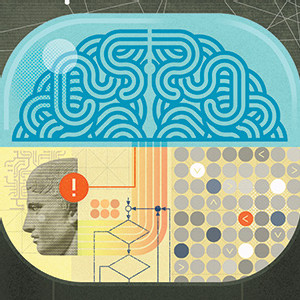
The Case for Causal AI

By Sema K. Sgaier, Vincent Huang & Grace Charles 3

Using artificial intelligence to predict behavior can lead to devastating policy mistakes. Health and development programs must learn to apply causal models that better explain why people behave the way they do to help identify the most effective levers for change.