


sponsored
These AI-Powered Nonprofits Are Making Health Care More Equitable and Effective
AI has the power to change our understanding of the inherent tradeoffs between access to care, quality of care, and cost of care.

AI has the power to change our understanding of the inherent tradeoffs between access to care, quality of care, and cost of care.

Understanding how nonprofits are leveraging AI will help other social entrepreneurs and funders see—and get inspired by—the vast possibilities in applying AI for social good.
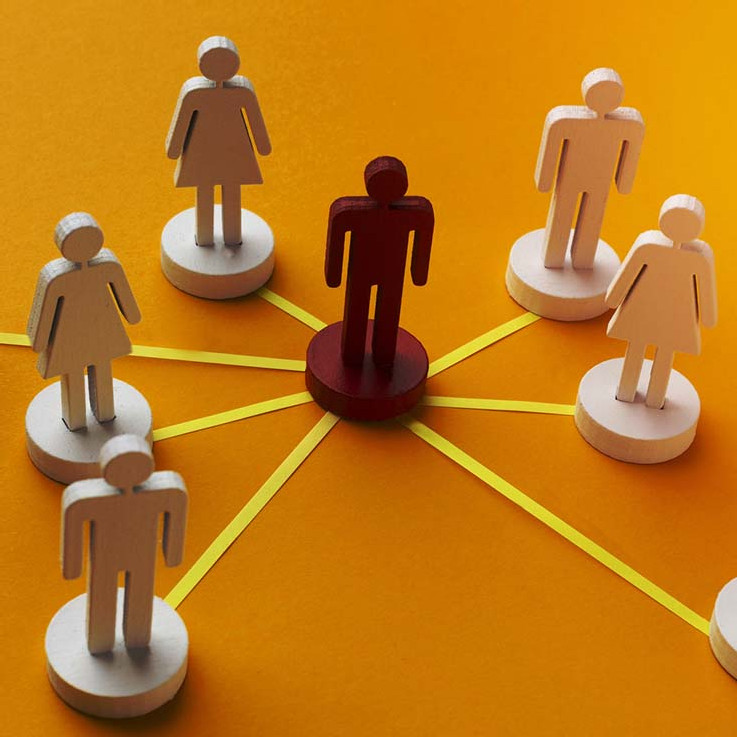
How can organizations quantify the impact of the train-the-trainers model? A pioneering new study from a health-care nonprofit offers a template.

For the past two decades, the Jed Foundation has led the fight to address the mental health crisis among American youth. Its story highlights the importance of addressing the cultural causes of the mental health crisis through systems change. | Open access to this article is made possible by the Jed Foundation
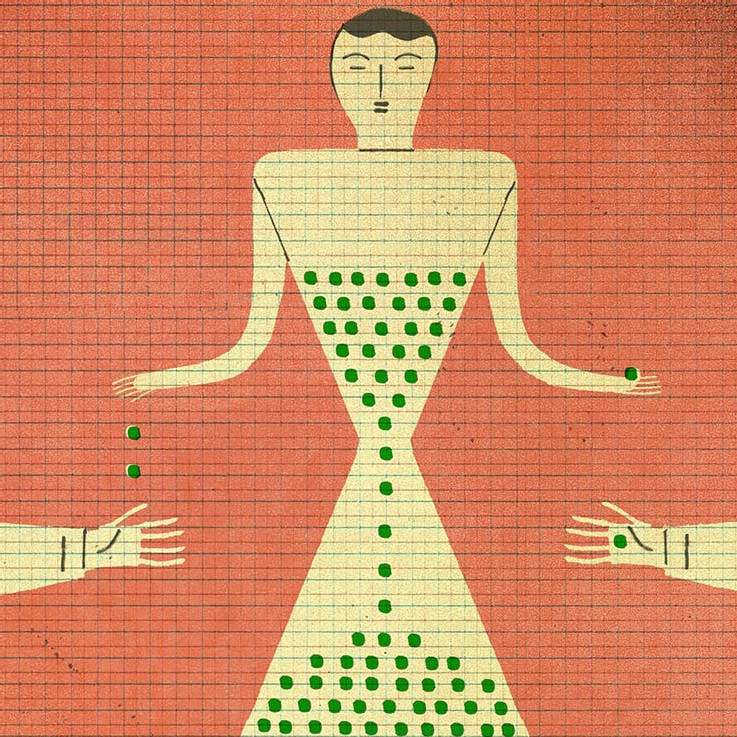
A small foundation that eschews perpetuity in favor of maximizing social impact can continue to sustain and scale long after its doors close. | Open access to this article is made possible by the Linked Foundation.


Our understanding of community can help funders and evaluators identify, understand, and strengthen the communities they work with.

Two veterans of consumer psychology, marketing, and entrepreneurship provide a guide to using social media for social change.

Instead of pressuring already-stressed individuals to fix themselves, true wellness requires organization-level interventions.
Using artificial intelligence to predict behavior can lead to devastating policy mistakes. Health and development programs must learn to apply causal models that better explain why people behave the way they do to help identify the most effective levers for change.

Two years ago I quit my nonprofit CEO job. I’ve just had the two most productive years of my career.