Let Refugees Be Their Own Solution
Better policies in host countries can enable refugees to rebuild their lives and contribute to host economies.
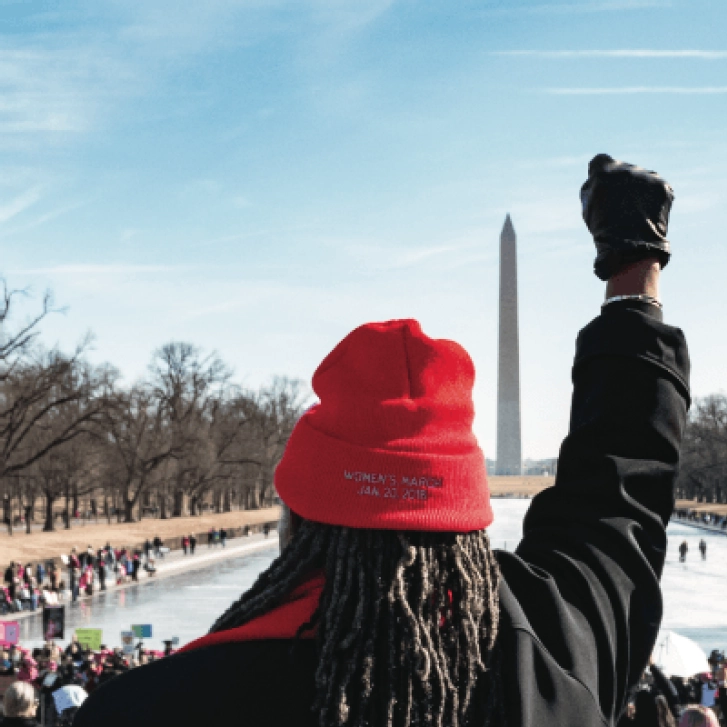
From the Women’s March to #MeToo, women have risen up to change politics and society.
Without methods to gauge success and failure, and without appropriate ethical frameworks, humanitarian tech may do more harm than good.
Advocates and organizers need to think strategically about how to ensure that women are supported as they continue to report sexual violence and their perpetrators are held accountable. To do so, they can look to the science on social norms.
New organizations often bring new tactics to old problems, but they need funding and support to move from idea to systemic change.
Professionalism has become coded language for white favoritism in workplace practices that more often than not leave behind people of color. This is the fourth of 10 articles in a special series about diversity, equity, and inclusion.
Laws and programs designed to benefit vulnerable groups, such as the disabled or people of color, often end up benefiting all of society.
A clear definition of equity would seem paramount to galvanizing philanthropy into action around this increasingly used term—but the field is only beginning to explore what it really means.
Stereotypes and racial bias in hiring and promotion are damaging at personal, career, and organizational levels.
Because decentralization doesn’t necessarily mean redistributing power, Web3 must make values integral to the architecture.