Radio for Good
National Prison Radio, run by inmates, reaches more than 60,000 prisoners in England and Wales—and aspires to better the lives of every single one.

National Prison Radio, run by inmates, reaches more than 60,000 prisoners in England and Wales—and aspires to better the lives of every single one.
Why investors need to integrate rights and accountability into development finance, and how they can begin.

A clear definition of equity would seem paramount to galvanizing philanthropy into action around this increasingly used term—but the field is only beginning to explore what it really means.
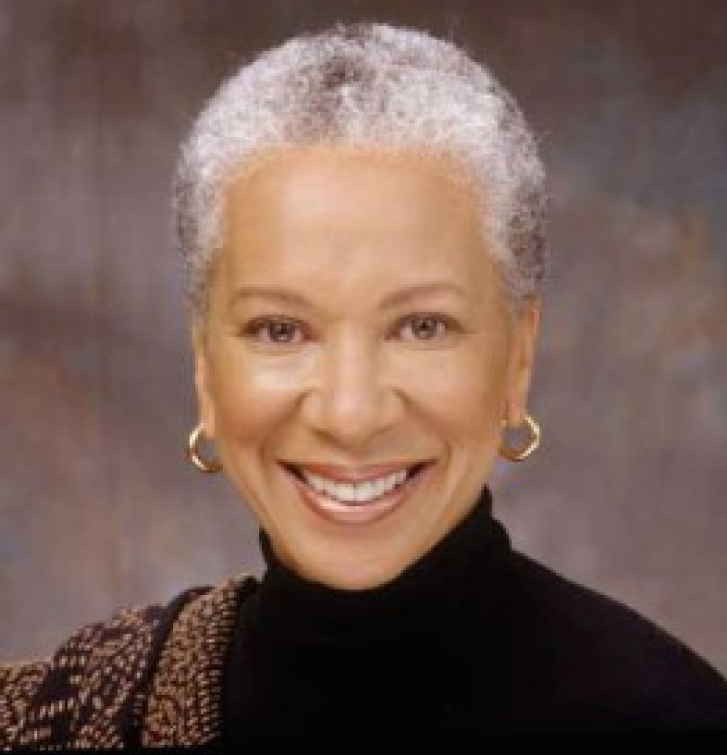
Blackwell, president and CEO of PolicyLink, talks with SSIR senior editor Michael Slind about the role of public policy in addressing inequality and creating a more prosperous society.
Why philanthropy needs to support more community-driven solutions, not just Ivy League ones.


Professionalism has become coded language for white favoritism in workplace practices that more often than not leave behind people of color. This is the fourth of 10 articles in a special series about diversity, equity, and inclusion.

Laws and programs designed to benefit vulnerable groups, such as the disabled or people of color, often end up benefiting all of society.
A clear definition of equity would seem paramount to galvanizing philanthropy into action around this increasingly used term—but the field is only beginning to explore what it really means.

Stereotypes and racial bias in hiring and promotion are damaging at personal, career, and organizational levels.

Because decentralization doesn’t necessarily mean redistributing power, Web3 must make values integral to the architecture.