A Spark for Good Art
During its first 10 years, Creative Capital has pumped $14 million into 324 projects from a range of artistic disciplines. But Creative Capital doesn’t just fund projects, it builds careers.

During its first 10 years, Creative Capital has pumped $14 million into 324 projects from a range of artistic disciplines. But Creative Capital doesn’t just fund projects, it builds careers.
By paying so much attention to managing their own risks, philanthropists are no longer attending to the marginalized people who risk so much to make change happen.

A mere hint of affiliation is sufficient to increase helping.
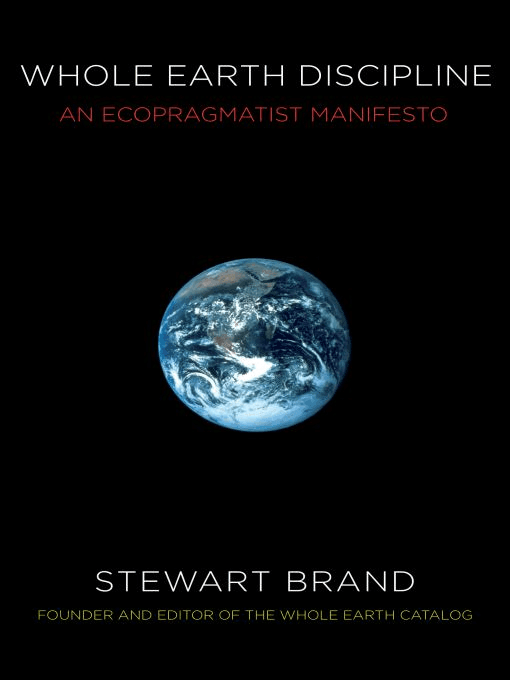
Whole Earth Discipline: An Ecopragmatist Manifesto by Stewart Brand
The more empowered a country's women, the more vibrant its nonprofit sector.


Understanding these six important differences will both facilitate better conversations and help channel funds appropriately.

How to move from net zero to net impact.
There’s only one bottom line. It ought to be impact.

To get an idea of where impact investment might be headed over the next decade, the authors examine where the field has been in three areas that play an outsized role in its goals and practices.

It’s time for funders to get real about what social entrepreneurs need to succeed.