

Collective Impact: The Missing Link
Three ways to create an environment where interdependent stakeholders can perform their individual roles optimally and collaborate with each other effectively.

Three ways to create an environment where interdependent stakeholders can perform their individual roles optimally and collaborate with each other effectively.

As the momentum of impact investing builds, the lack of proper taxonomy poses a significant risk to the movement, especially given recent growth.

Even with the best intentions and emerging tools, the current investment framework makes it difficult to match investment portfolios to values.

A recent survey highlights the important role of social enterprise in poverty alleviation.
Three strategies investors can use to create impactful outcomes at scale.

There’s only one bottom line. It ought to be impact.

In adopting data-driven practices, leaders must design and implement programs in ways that engage community members directly in the work of social change.
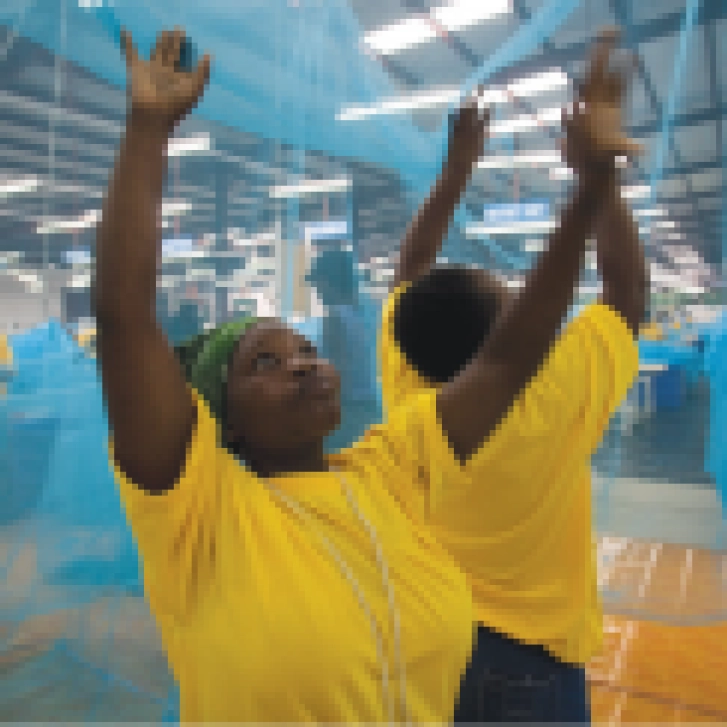
Acumen Fund uses impact investing to tackle global poverty. It's approach has garnered attention, but does it change aid?

Voluntary carbon offsets allow people to invest in projects that allegedly counteract their greenhouse gas emissions. But can voluntary offsets help slow global warming? Or are offsets a way for consumers to buy their way out of bad feelings?

A longer version of "When Can Impact Investing Create Real Impact?" from the Fall 2013 Up for Debate feature.