

The Wrong Risks
By paying so much attention to managing their own risks, philanthropists are no longer attending to the marginalized people who risk so much to make change happen.
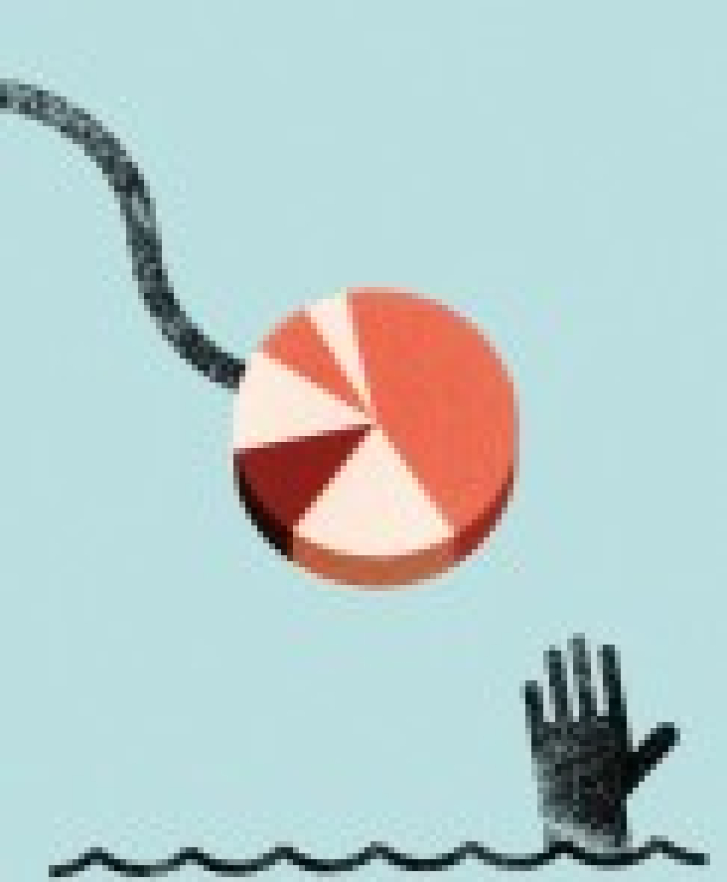
By paying so much attention to managing their own risks, philanthropists are no longer attending to the marginalized people who risk so much to make change happen.

A mere hint of affiliation is sufficient to increase helping.
Whole Earth Discipline: An Ecopragmatist Manifesto by Stewart Brand
The more empowered a country's women, the more vibrant its nonprofit sector.
A new study from Indonesia shows that extortionists respond to market forces in much the same way as do lawful businesspeople.

There’s only one bottom line. It ought to be impact.

In adopting data-driven practices, leaders must design and implement programs in ways that engage community members directly in the work of social change.

Acumen Fund uses impact investing to tackle global poverty. It's approach has garnered attention, but does it change aid?

Voluntary carbon offsets allow people to invest in projects that allegedly counteract their greenhouse gas emissions. But can voluntary offsets help slow global warming? Or are offsets a way for consumers to buy their way out of bad feelings?

A longer version of "When Can Impact Investing Create Real Impact?" from the Fall 2013 Up for Debate feature.