


Learning Isn’t an Algorithm
Failure to Disrupt details the promise and pitfalls of technology in the remote classroom.
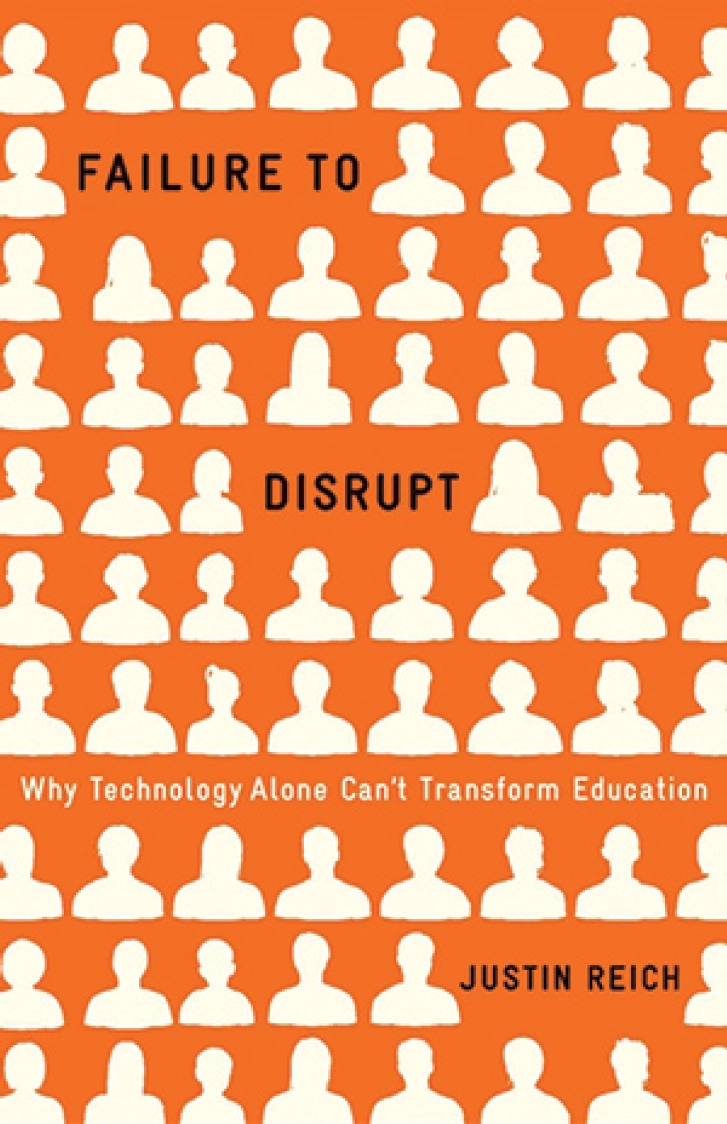
Failure to Disrupt details the promise and pitfalls of technology in the remote classroom.

With pending changes to the federal grantmaking regulations promoting results-oriented accountability, now is a good time for grant makers and grantees to see how using fixed amount awards can promote performance over compliance.
As a macro risk factor, climate change needs to be disentangled from the other social and governance mandates in the ESG investing rubric.
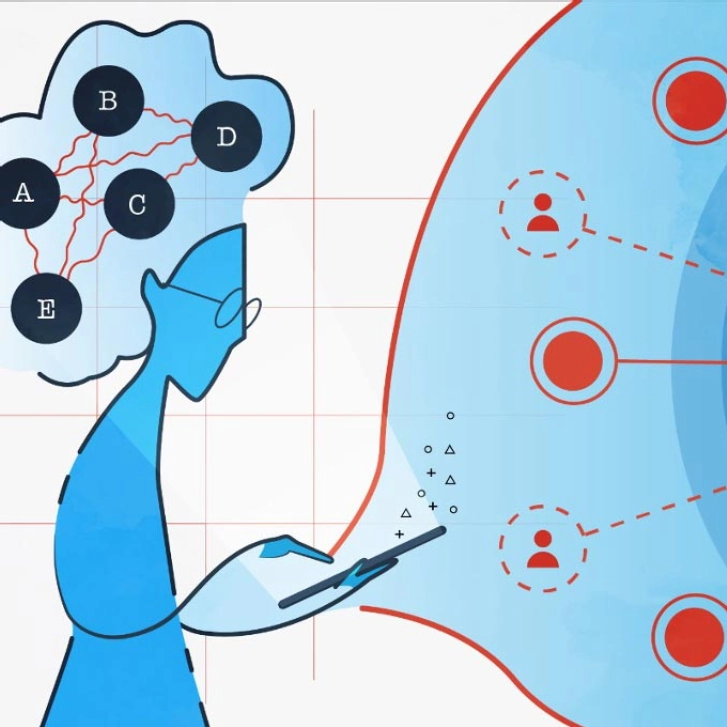
With only 68 percent of the UN's Sustainable Development Goals being tracked by reliable data, technology companies can and must do more to help organizations achieve the potential of the data science for social good movement. Leaders in the field share four insights showing how.
When half of the staff at Leading Edge reported feeling a lack of psychological safety at work, the problem wasn’t bullying but the promotion of a workplace culture that only allowed positivity.


Funders are calling for more program evaluation, but nonprofits are often collecting dubious data, at great cost to themselves and ultimately to the people they serve.

For NGOs, impact comes in different forms and to track the cycles of social change work, we must think across the tangibility and the speed of emergence of change.

With an understanding of these 10 funding models, nonprofit leaders can use the for-profit world's valuable practice of engaging in succinct and clear conversations about long-term financial strategy.

Conventional wisdom says that scaling social innovation starts with strengthening internal management capabilities. This study of 12 high-impact nonprofits, however, shows that real social change happens when organizations go outside their own walls and find creative ways to enlist the help of others.

Unethical behavior remains a persistent problem in nonprofits and for-profits alike. To help organizations solve that problem, the authors examine the factors that influence moral conduct, the ethical issues that arise specifically in charitable organizations, and the best ways to promote ethical behavior within organizations.