


Learning From Each Other
Experienced educators provide guidance for those wishing to create and maintain effective partnerships between researchers and educators.
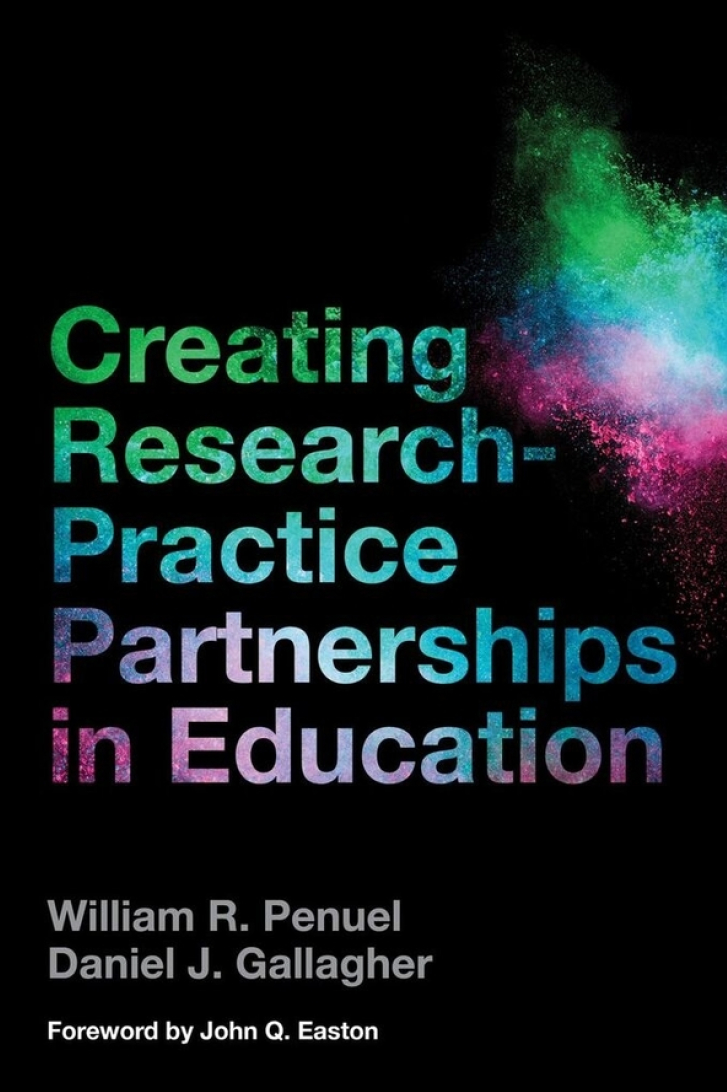
Experienced educators provide guidance for those wishing to create and maintain effective partnerships between researchers and educators.

Investors looking for data on social impact should start by helping investees deliver a compelling value proposition.

It’s time for nonprofits to recognize that diverse groups are more innovative and better performing, and to apply that insight to their organizations’ governing bodies.

Rhonda Evans looks at lessons from Monitor Institute’s Re-imagining Measurement initiative.

Stanford's Michael Bernstein discusses how computational systems can create collectives of experts to solve problems.


Funders are calling for more program evaluation, but nonprofits are often collecting dubious data, at great cost to themselves and ultimately to the people they serve.

For NGOs, impact comes in different forms and to track the cycles of social change work, we must think across the tangibility and the speed of emergence of change.

With an understanding of these 10 funding models, nonprofit leaders can use the for-profit world's valuable practice of engaging in succinct and clear conversations about long-term financial strategy.

Conventional wisdom says that scaling social innovation starts with strengthening internal management capabilities. This study of 12 high-impact nonprofits, however, shows that real social change happens when organizations go outside their own walls and find creative ways to enlist the help of others.

Unethical behavior remains a persistent problem in nonprofits and for-profits alike. To help organizations solve that problem, the authors examine the factors that influence moral conduct, the ethical issues that arise specifically in charitable organizations, and the best ways to promote ethical behavior within organizations.