The Return of Segregation
Racial integration in US schools has declined in the wake of recent court decisions to release districts from earlier desegregation orders.
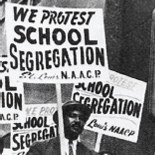
Racial integration in US schools has declined in the wake of recent court decisions to release districts from earlier desegregation orders.
From Skoll World Forum 2013: Will new measurement tools such as “big data” be a big distraction or a big opportunity?
For social entrepreneurs, radically reframing ideas about social change can have a silver lining.
More than sustainability: How integrated reporting helps businesses understand how they need to evolve.
Creating sound policy is only the beginning; successful leadership requires relentless focus on implementation.


Funders are calling for more program evaluation, but nonprofits are often collecting dubious data, at great cost to themselves and ultimately to the people they serve.
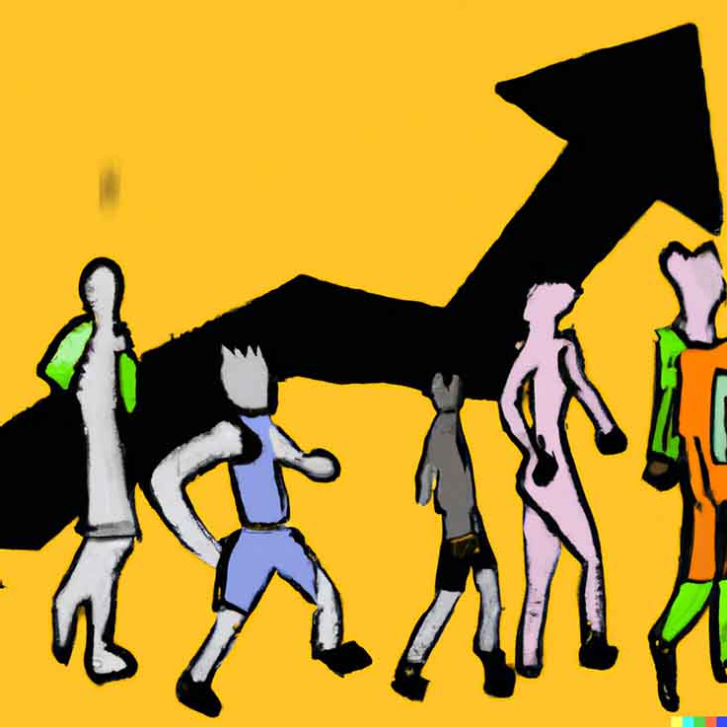
For NGOs, impact comes in different forms and to track the cycles of social change work, we must think across the tangibility and the speed of emergence of change.

With an understanding of these 10 funding models, nonprofit leaders can use the for-profit world's valuable practice of engaging in succinct and clear conversations about long-term financial strategy.

Conventional wisdom says that scaling social innovation starts with strengthening internal management capabilities. This study of 12 high-impact nonprofits, however, shows that real social change happens when organizations go outside their own walls and find creative ways to enlist the help of others.

Unethical behavior remains a persistent problem in nonprofits and for-profits alike. To help organizations solve that problem, the authors examine the factors that influence moral conduct, the ethical issues that arise specifically in charitable organizations, and the best ways to promote ethical behavior within organizations.