


Philanthropy and Impact Investing—Stormy Seas, Rocky Shores
The middle ground between traditional philanthropic and commercial spaces is a continuum; we need to shift the dialogue from morals to tools.

The middle ground between traditional philanthropic and commercial spaces is a continuum; we need to shift the dialogue from morals to tools.

Mission-driven organizations would do well to remember that they become the company they keep, and to take care in choosing the right collaborators.
Why some foundations are making leadership development a core part of their grantmaking strategy.
Lessons from a new initiative aimed at supporting and developing new social justice leaders.
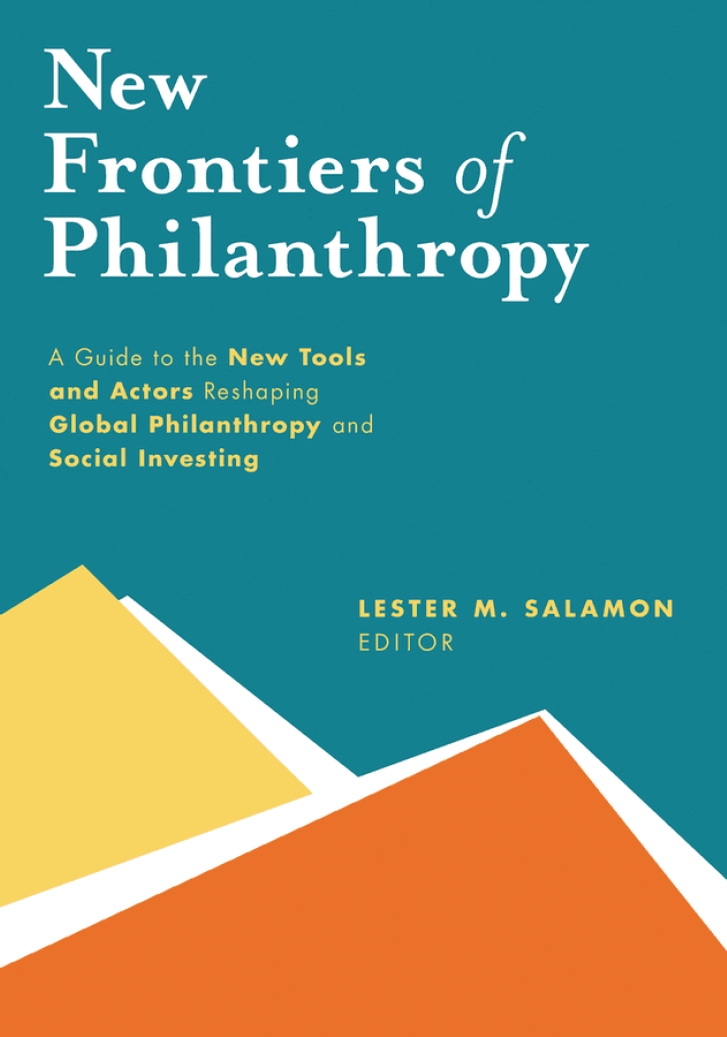
New Frontiers of Philanthropy: A Guide to the New Tools and Actors Reshaping Global Philanthropy and Social Investing examines the potential impact of contemporary philanthropy in providing new, much-needed models of social and environmental problem-solving.


Funders are calling for more program evaluation, but nonprofits are often collecting dubious data, at great cost to themselves and ultimately to the people they serve.

With an understanding of these 10 funding models, nonprofit leaders can use the for-profit world's valuable practice of engaging in succinct and clear conversations about long-term financial strategy.

Our understanding of community can help funders and evaluators identify, understand, and strengthen the communities they work with.

Impact evaluations are an important tool for learning about effective solutions to social problems, but they are a good investment only in the right circumstances.

The superficially enticing “logic” of effective altruism ultimately leads to a moralistic, hyper-rationalistic, top-down approach to philanthropy that can kill the very altruistic spirit it claims to foster.

