



Dark Skies After All
A look at several troubling developments in microfinance.
A look at several troubling developments in microfinance.

Disseminating innovations takes a distinct, sophisticated skill set, one that often requires customizing the program to new circumstances, not replicating.
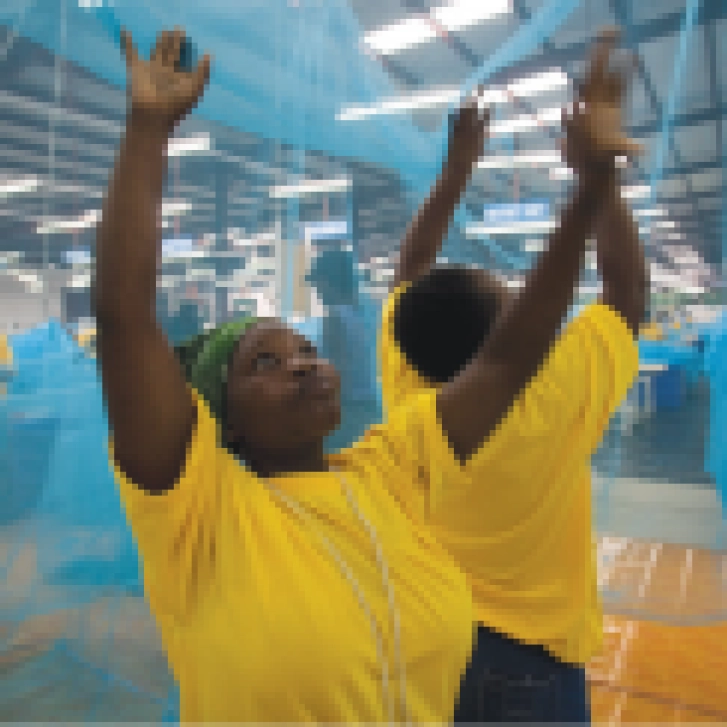
Acumen Fund uses impact investing to tackle global poverty. It's approach has garnered attention, but does it change aid?
The 10 phrases I have chosen to show the steady rise in market-based solutions for social problem solving, technology’s infiltration of all things fund raising, and a shift in attention from local to global.

Worldreader.org is using electronic reading devices to catalyze a new culture of global literacy.


By working closely with the clients and consumers, design thinking allows high-impact solutions to social problems to bubble up from below rather than being imposed from the top.

Fair Trade-certified coffee is growing in sales, but strict certification requirements are resulting in uneven economic advantages for coffee growers and lower quality coffee for consumers.

Despite the hoopla over microfinance, it doesn't cure poverty. But stable jobs do. If societies are serious about helping the poorest of the poor, they should stop investing in microfinance and start supporting large, labor-intensive industries.

Few microfinance institutions articulate what, exactly, their ultimate goals are and how to achieve them. If the goal of microfinance is to alleviate poverty, the authors say, then MFIs should focus on helping their clients build successful enterprises, rather than on making more and bigger loans.

Market solutions to poverty, which include services and products targeting consumers at the “bottom of the pyramid,” portray poor people as creative entrepreneurs and discerning consumers. Yet this rosy view of poverty-stricken people is not only wrong, but also harmful.
