


Social Enterprise Is Not Social Change
Solving systemic social problems takes people, politics, and power—not more social entrepreneurship.

Solving systemic social problems takes people, politics, and power—not more social entrepreneurship.
Presence of female business leaders in community can bolster launching female-led social enterprises.

To tap the full potential of a systems change approach, we should not limit our thinking to large, transformational changes. We should also include smaller, more targeted changes.
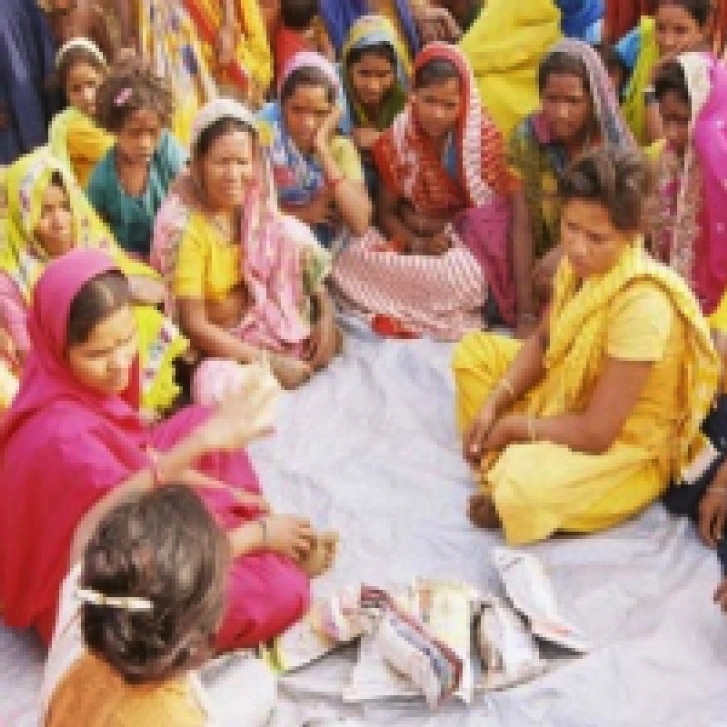
Social enterprises in India are using restorative and regenerative, circular economy principles to address the deep-seated sustainable development challenges.

Three unique roles social entrepreneurs can play in driving community action and civic change.


Social entrepreneurship is attracting growing amounts of talent, money, and attention, but along with its increasing popularity has come less certainty about what exactly a social entrepreneur is and does.

By working closely with the clients and consumers, design thinking allows high-impact solutions to social problems to bubble up from below rather than being imposed from the top.

Fair Trade-certified coffee is growing in sales, but strict certification requirements are resulting in uneven economic advantages for coffee growers and lower quality coffee for consumers.

Social entrepreneurship and social enterprise have become popular and positive rallying points for those trying to improve the world, but social innovation is a better vehicle for understanding and creating social change in all of its manifestations.

Understanding these six important differences will both facilitate better conversations and help channel funds appropriately.