The Truth About Ben and Jerry’s
Contrary to myth, the sale of Ben & Jerry’s to corporate giant Unilever wasn’t legally required.

Contrary to myth, the sale of Ben & Jerry’s to corporate giant Unilever wasn’t legally required.

Naya Jeevan aims to bring catastrophic health coverage to millions of low-skilled workers in India and Pakistan.
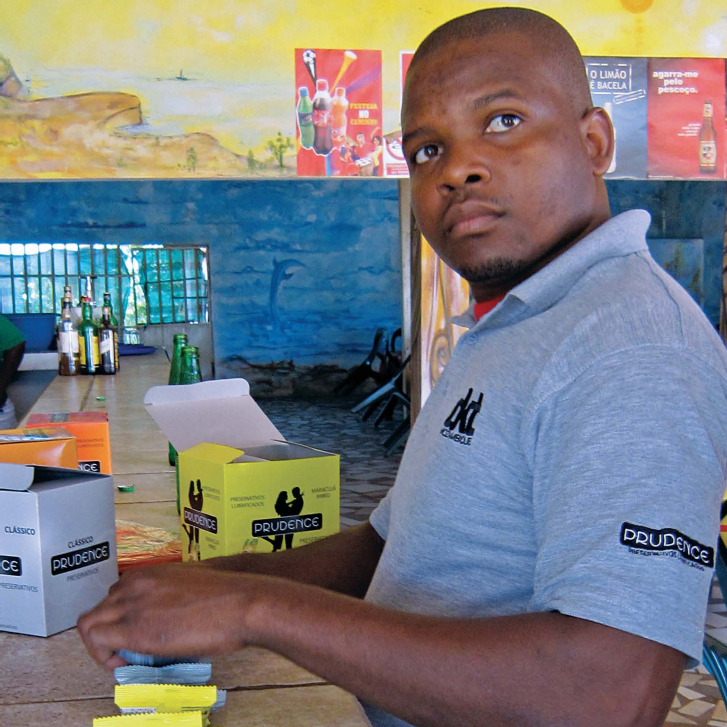
DKT International, founded by one of the largest erotica distributors in the United States, provides contraceptives to approximately 50 million people a year in the developing world.

Better World Books has found a way to make a profit and donate more than $11 million for literacy programs and libraries worldwide.
An update on social innovation news and events from England's capital.


Social entrepreneurship is attracting growing amounts of talent, money, and attention, but along with its increasing popularity has come less certainty about what exactly a social entrepreneur is and does.

By working closely with the clients and consumers, design thinking allows high-impact solutions to social problems to bubble up from below rather than being imposed from the top.

Fair Trade-certified coffee is growing in sales, but strict certification requirements are resulting in uneven economic advantages for coffee growers and lower quality coffee for consumers.

Social entrepreneurship and social enterprise have become popular and positive rallying points for those trying to improve the world, but social innovation is a better vehicle for understanding and creating social change in all of its manifestations.

Understanding these six important differences will both facilitate better conversations and help channel funds appropriately.