
Put the People to Work
SERVING COUNTRY AND COMMUNITY: Who Benefits from National Service? by Peter Frumkin & Joann Jastrzab
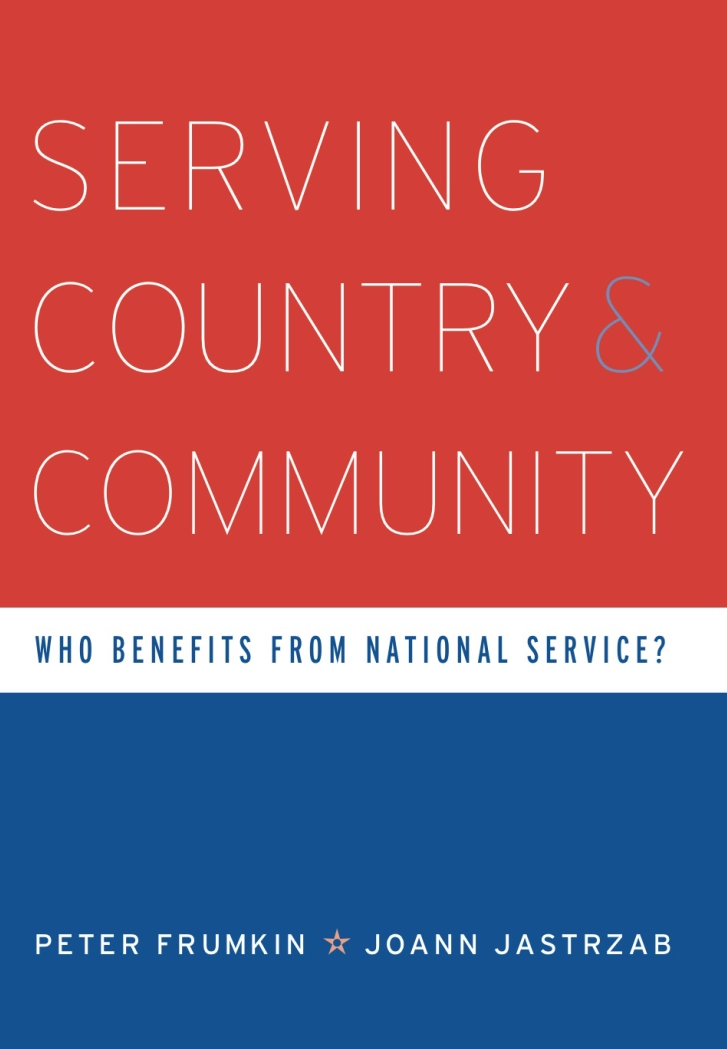
SERVING COUNTRY AND COMMUNITY: Who Benefits from National Service? by Peter Frumkin & Joann Jastrzab
Three films, Waiting for “Superman”, The Lottery, and Teached, all of which provide a candid and critical look at U.S. public education, hit the big screen this year. Positioned to generate conversation and action about education reform, these documentaries take you into the lives of children and families who are struggling in a system that is failing them. 2010 Sundance Audience Award winner Waiting for “Superman” has garnered attention through its support from Bill Gates, Oprah Winfrey and Mark Zuckerberg, among others. This panel of filmmakers speaks on their experiences telling these powerful stories and offers ways for the audience to be part of the solution in their own communities and via media platforms. They spoke at the 2010 NewSchools Summit, an event convened by the NewSchools Venture Fund.
For a community to maintain a healthy recovery, FEMA administrator Craig Fugate asserts that private and public groups must work collaboratively to help stabilize an environment after disaster.
What would it take to implement “next-generation” poverty measures in the United States?
Let’s put down our gloves, refocus our attention, and realize that we all have a chance to positively change the current relationship between government and the nonprofit sector.

Despite the hoopla over microfinance, it doesn't cure poverty. But stable jobs do. If societies are serious about helping the poorest of the poor, they should stop investing in microfinance and start supporting large, labor-intensive industries.

Social entrepreneurship and social enterprise have become popular and positive rallying points for those trying to improve the world, but social innovation is a better vehicle for understanding and creating social change in all of its manifestations.
Market solutions to poverty, which include services and products targeting consumers at the “bottom of the pyramid,” portray poor people as creative entrepreneurs and discerning consumers. Yet this rosy view of poverty-stricken people is not only wrong, but also harmful.

A new approach to measuring poverty is needed, one that accounts for multiple factors such as housing, and regional economic differences.
Jeffrey Sachs believes we must lift a billion-plus people out of poverty while reducing our impact on the environment.