How Businesses Can Increase Food Access for the Poor
Hybrid approaches present an opportunity to achieve both greater social impact as well as greater business benefits.
Hybrid approaches present an opportunity to achieve both greater social impact as well as greater business benefits.
Advances in reducing poverty, environmental protection, and other global issues threaten the status quo—a report from Rio+20.
Corporate philanthropy is complicated and may have multiple objectives, but Peter Karoff, Founder of The Philanthropic Initiative, argues its ultimate intention should be to do no harm.
Investing in small business and new ventures is a good thing and vital to our communities, but we must not confuse it with charity or strategic long-term social investment.
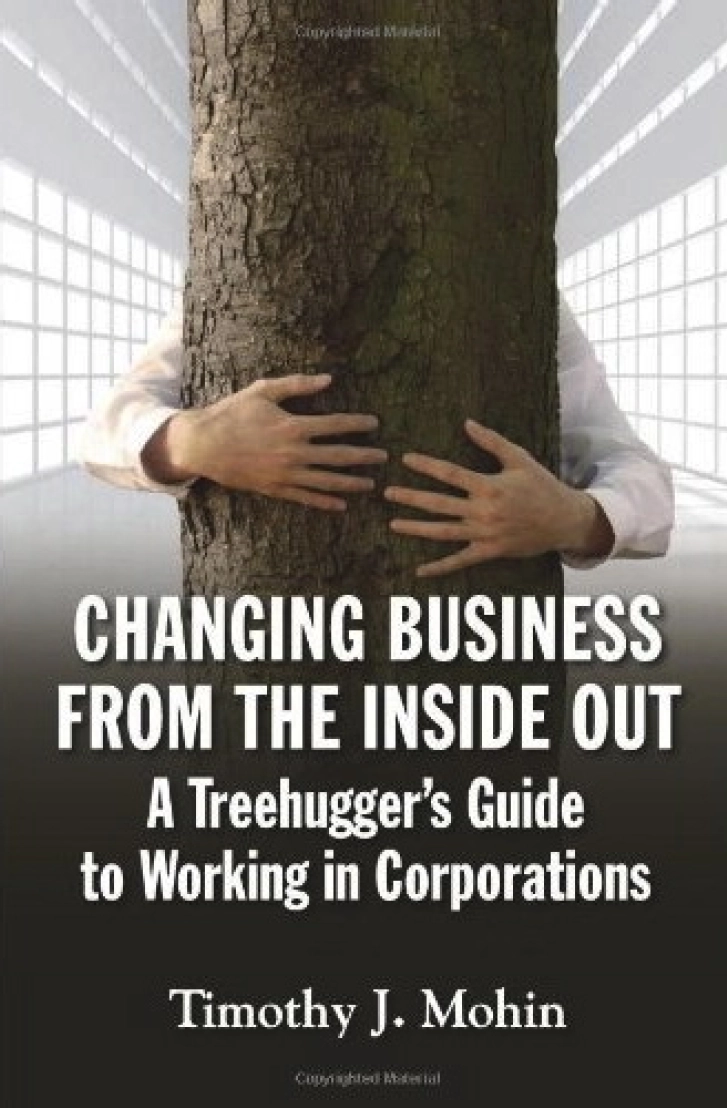
A look at how to steer corporations toward doing good for people and our planet—from the inside.

Fair Trade-certified coffee is growing in sales, but strict certification requirements are resulting in uneven economic advantages for coffee growers and lower quality coffee for consumers.

Contrary to myth, the sale of Ben & Jerry’s to corporate giant Unilever wasn’t legally required.

For much of its history, Wal-Mart’s corporate management team toiled inside its “Bentonville Bubble,” narrowly focused on operational efficiency, growth, and profits. But now the world's largest retailer has widened its sights, building networks of employees, nonprofits, government agencies, and suppliers to “green” its supply chains. Here's how and why the world’s largest retailer is using a network approach to decrease its environmental footprint – and to increase its profitability.
The problem with assuming that companies can do well while also doing good is that markets don't really work that way
Nonprofits and businesses are converging - in the value they create, the stakeholders they manage, the organizations they form, and the financial instruments they use.