


How Business Can Accelerate Africa’s Development
An excerpt from Africa's Business Revolution: How to Succeed in the World's Next Big Growth Market shows how "doing good" and "doing well" go hand-in-hand.
An excerpt from Africa's Business Revolution: How to Succeed in the World's Next Big Growth Market shows how "doing good" and "doing well" go hand-in-hand.

Before diving into measurement, organizations must establish awareness of and readiness for impact in every aspect of their operations.
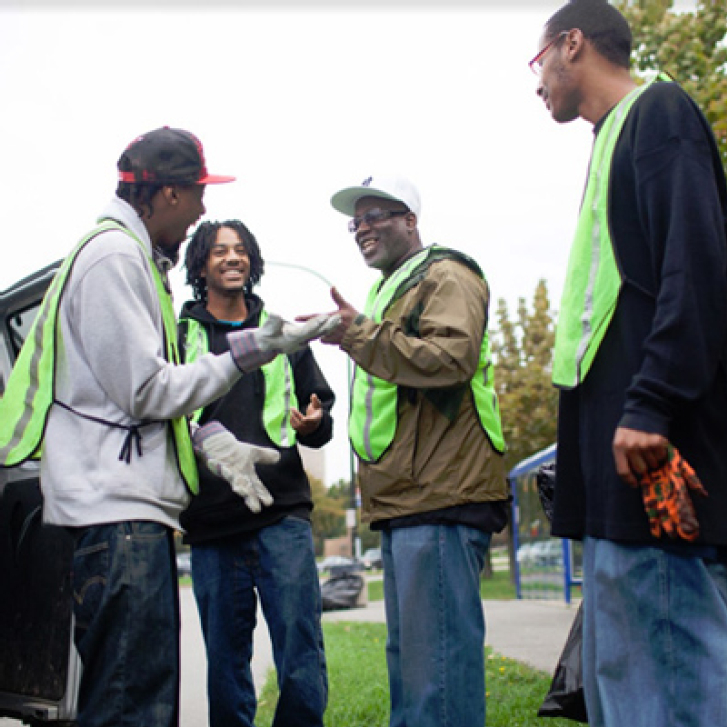
How shifting attention from gathering data about clients to gathering data from them helped a criminal justice organization improve services for participants and increase equity in the process. Part of a series produced for SSIR with the support of the Hewlett Foundation.
In Challenge Culture: Why The Most Successful Organizations Run on Pushback, Dunkin’ Brands chairman Nigel Travis explains the usefulness of open and honest communication.
How foundations, nonprofits, and others can effectively convey—and convince policymakers to support—their programs and proposals for social change.
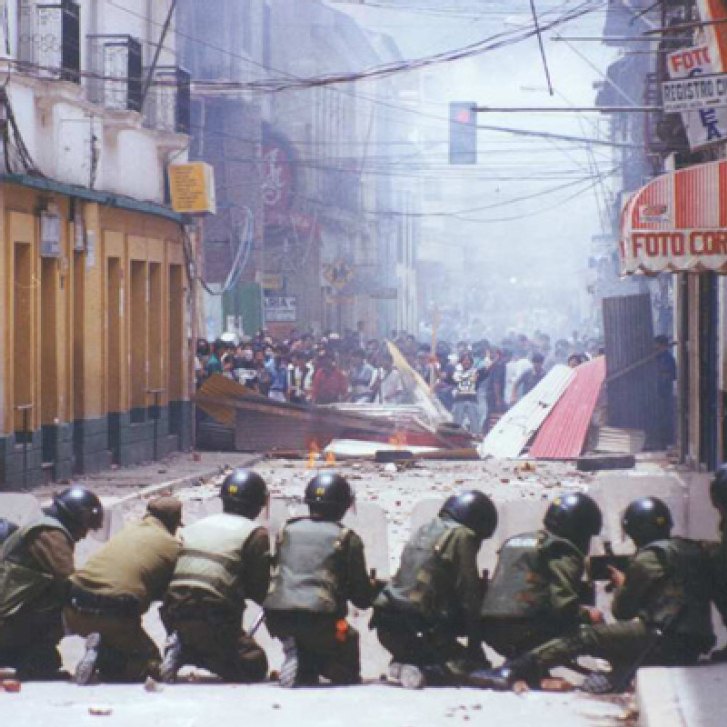
Activists can be more successful at solving problems in their communities by using three simple strategies to connect local, national, and global narratives.
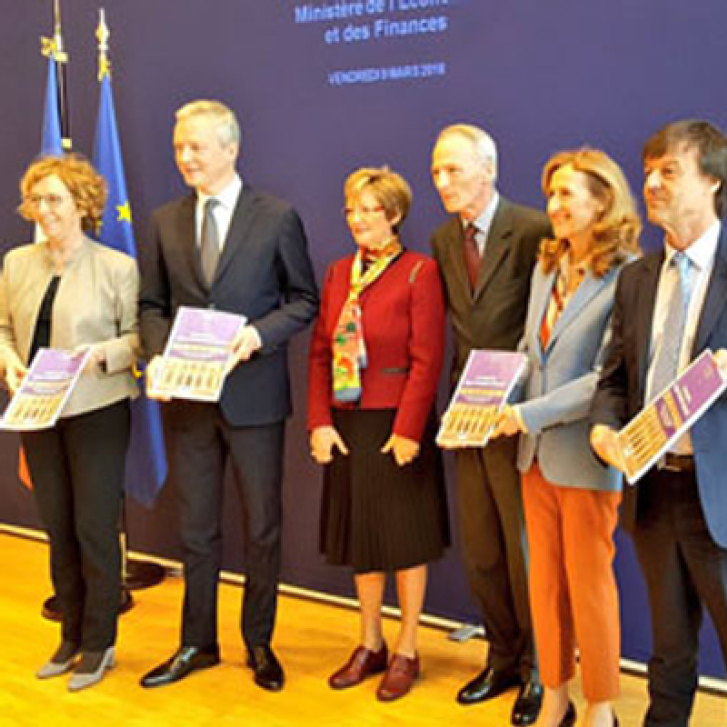
A new French law is about to revamp the country’s civil code and its 200-year-old definition of the corporate purpose.
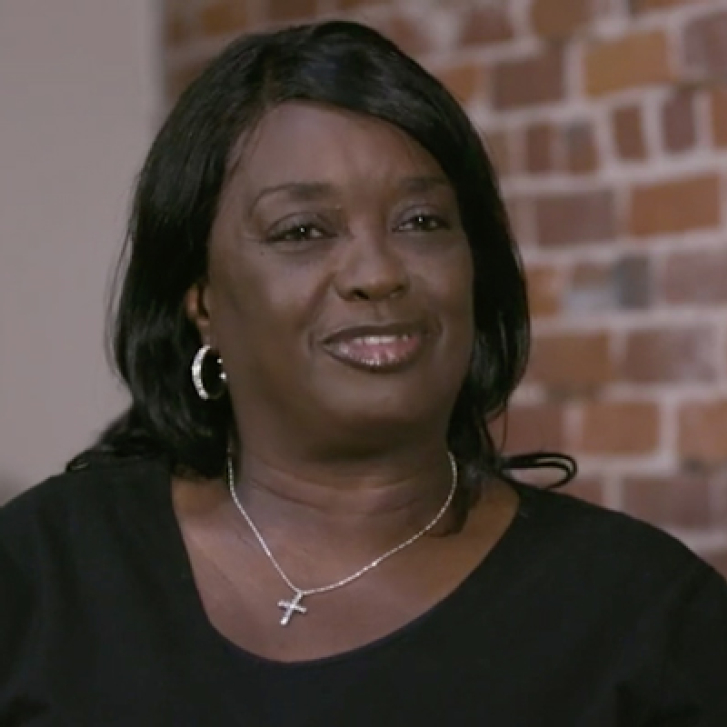
When Betty McCay finished a 27-year prison sentence and approached the Center for Employment Opportunities for help with finding a job, the last thing she expected was to be asked for her feedback on running the program. Part of a series produced for SSIR with the support of the Hewlett Foundation.
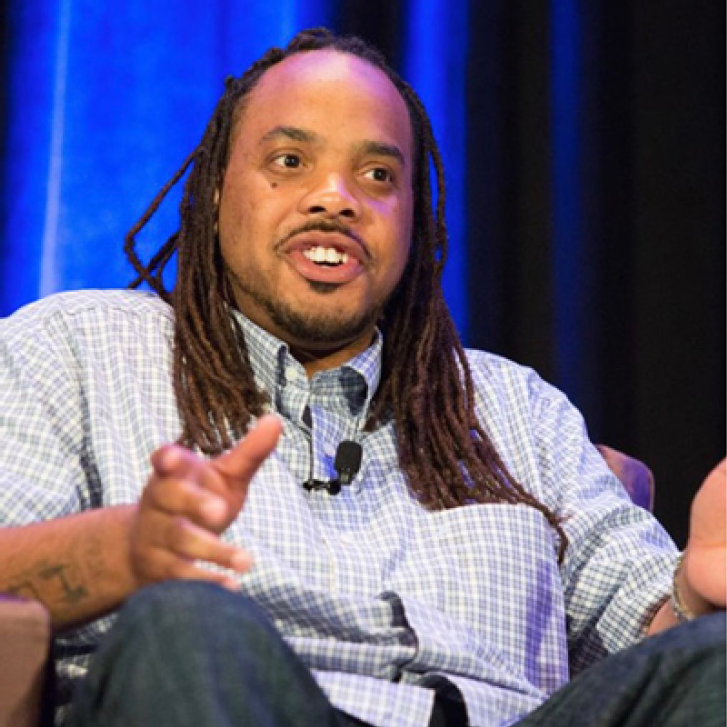
Shannon Revels met a teacher in prison who listened to his ideas, demonstrating a willingness to engage that Revels paid forward at his employment agency and on the job. Part of a series produced for SSIR with the support of the Hewlett Foundation.
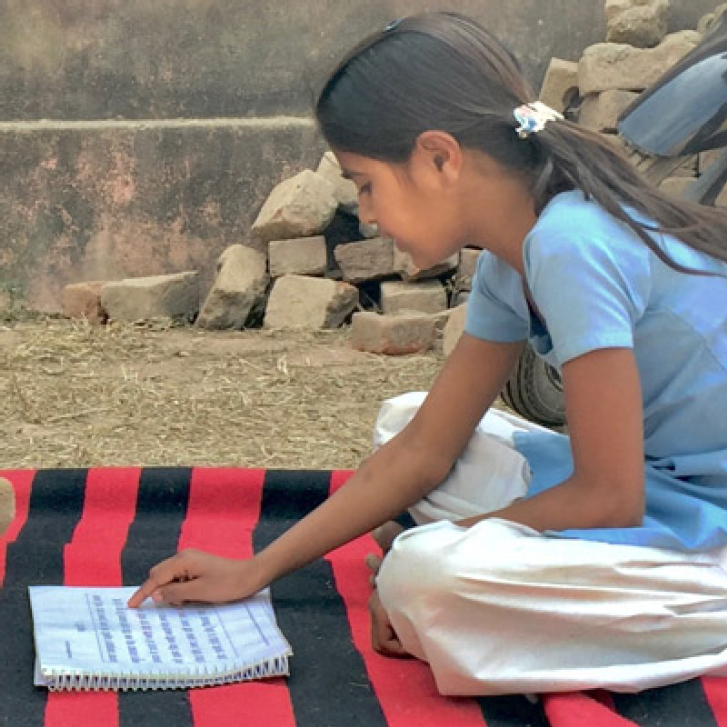
Billions of dollars are poised to flow into development impact bonds (DIBs) as a mechanism for solving social challenges around the world. Now is the time to make sure these complex structures are grounded in sensible approaches to measuring impact.