


The Difference Curve
Auticon aims to change society’s perception of people on the autism spectrum for the benefit of businesses and employees alike.

Auticon aims to change society’s perception of people on the autism spectrum for the benefit of businesses and employees alike.

After the 1986 Chernobyl disaster, the “energy rebels” of Schönau, Germany, launched a grassroots revolution in the Black Forest to take control of their community’s power.

Plutocratic biases are baked into the policies that structure charitable giving and big foundations. We must overhaul philanthropy to make it better serve democratic ends.

Too many organizations ignore or avoid addressing internal conflict. A healthy perspective on disagreement can increase resilience and spur needed innovation.

New research explores when top-down control works best in international development work, and when organizations should let employees in the field navigate challenges by using their own judgment.

To achieve greater equity, we must yield to the decision-making authority of the communities we seek to help.

Going beyond traditional monitoring and evaluation to focus on feedback can lead to new innovations in the social sector.

Nonprofits need a strategy to ensure that public dollars don’t put them in the red.

Whether someone is investing in a tech startup or a grassroots advocacy organization, the same rules of success apply. Open access to this article is made possible by American Jewish World Service.
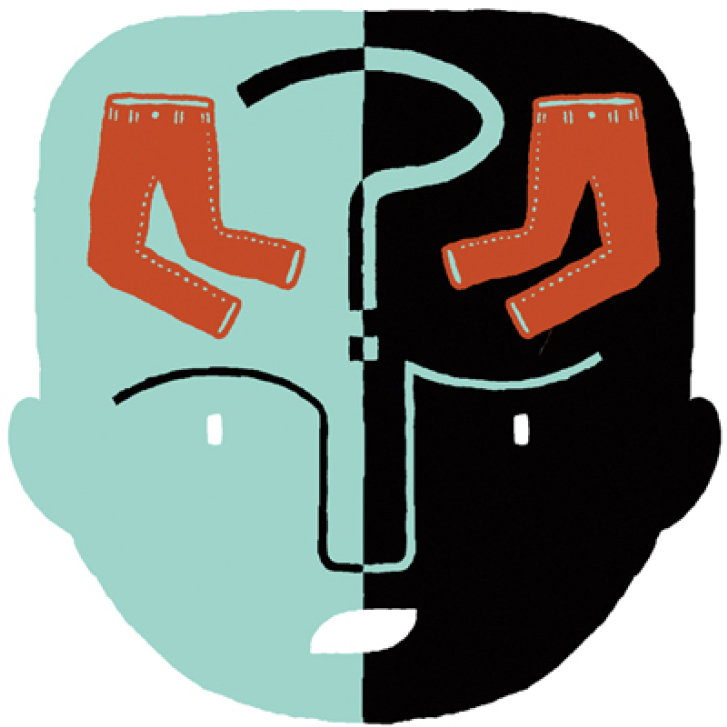
Consumers say they want to purchase ethically, but selective memory gets in the way of their decisions.