


How Carbon Offsetting Can Build a Forest
In Colombia’s Selva de Matavén Unified Indigenous Reserve, we can see what the REDD+ financing framework for carbon offsets can mean for the people living in the forests they sustain.
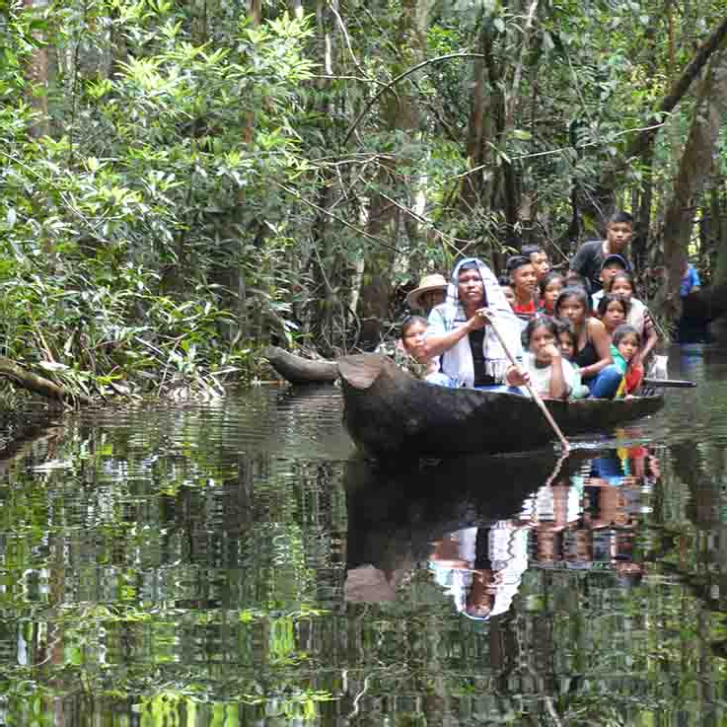
In Colombia’s Selva de Matavén Unified Indigenous Reserve, we can see what the REDD+ financing framework for carbon offsets can mean for the people living in the forests they sustain.

An excerpt from Creative Acts for Curious People on making judgments more deliberate
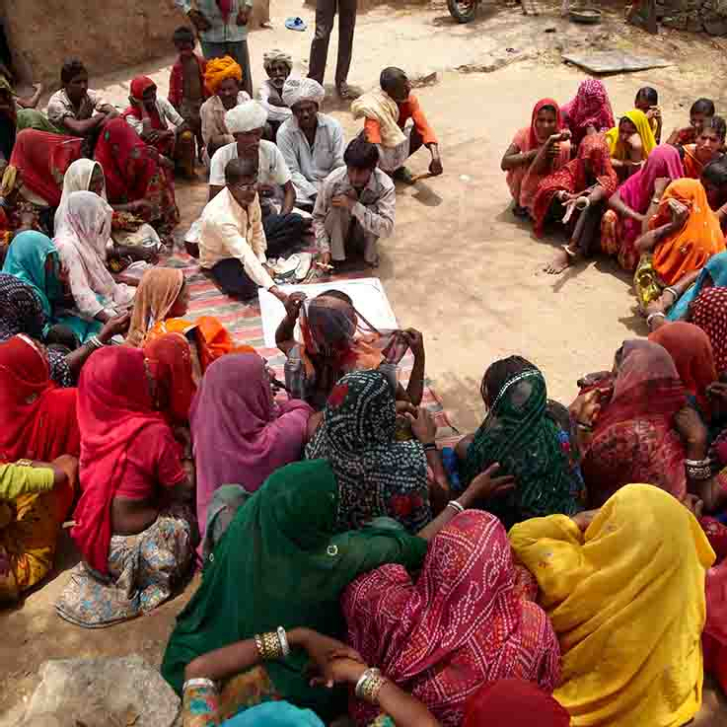
Instead of quick technical fixes, protecting India's 200 million acres of community lands means building platforms to ensure that different stakeholders act systematically, intentionally, and inclusively, and begins with the local and building from the ground up.
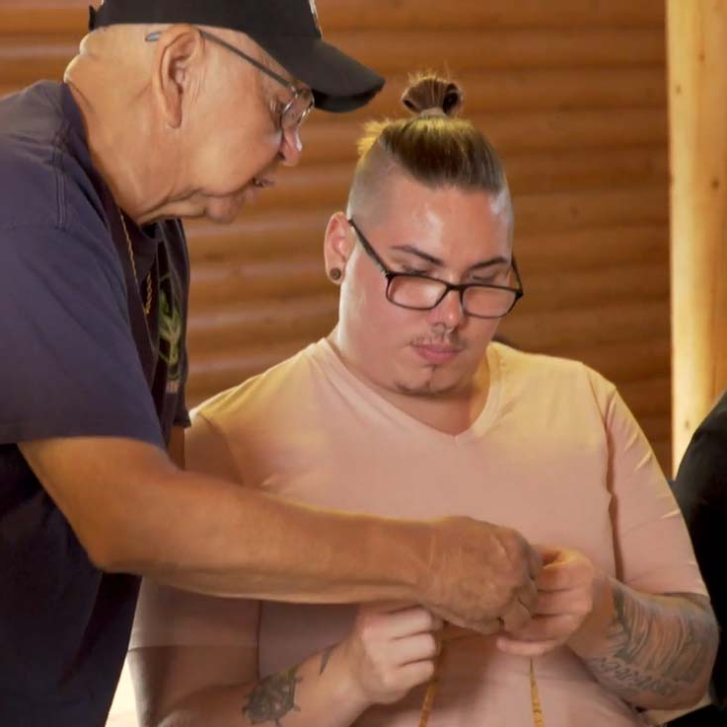
How five challenging realities are thwarting progress in public health, and how the sector can build strength to advance health equity, prepare for future pandemics, and face other emerging challenges.

Businesses have played a significant role in degrading the social, economic, ecological, and governance commons, but they can play an equal role in restoring them through the development of seven regenerative qualities.
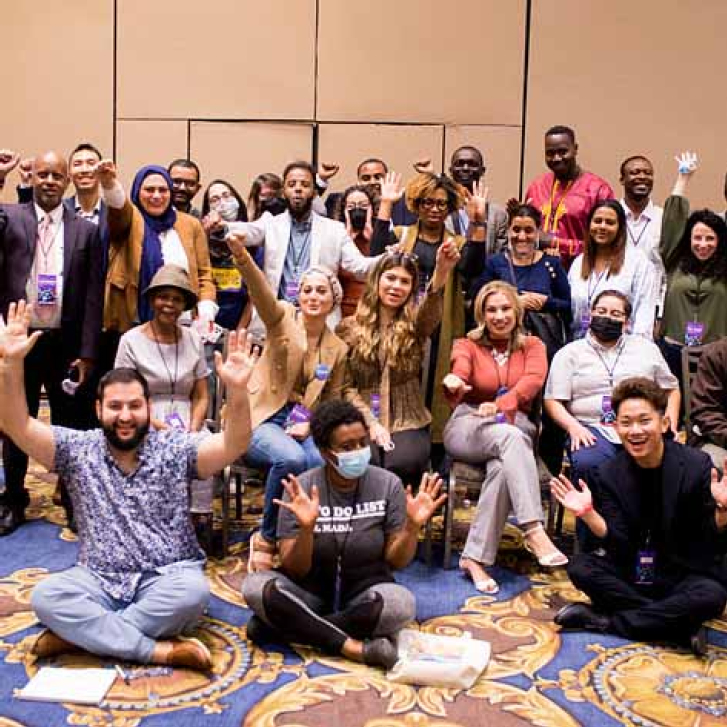
Philanthropy can invigorate our communities and our democracy by investing in refugee leadership and civic participation.
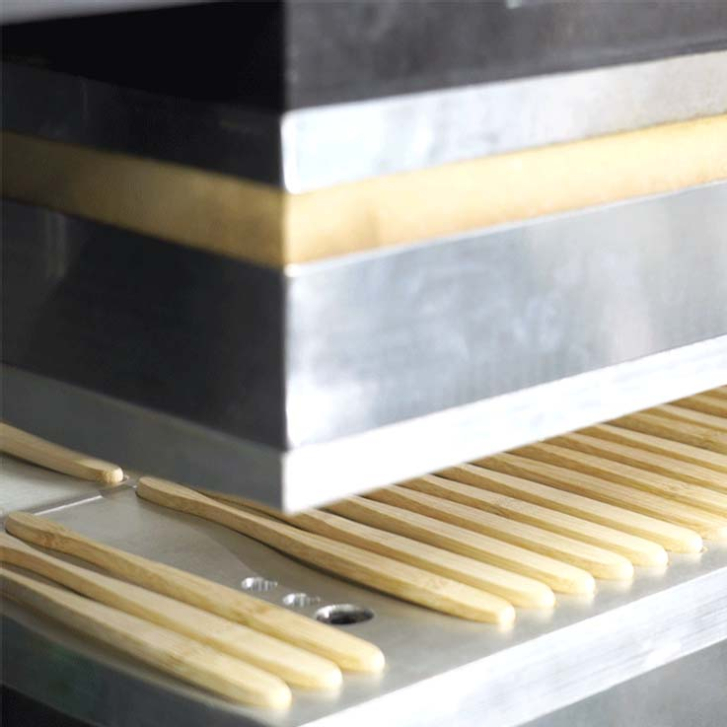
How a sustainable toothbrush enterprise based in South Korea is reducing environmental waste and poverty, providing social services, building a healthy organizational culture, and making a profit, with the hope that other companies will follow suit.
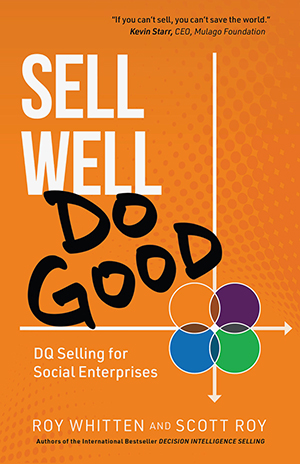
An excerpt from Sell Well, Do Good on breaking open the black box of selling: how to design a selling system that aligns with the values and best practices of social enterprise
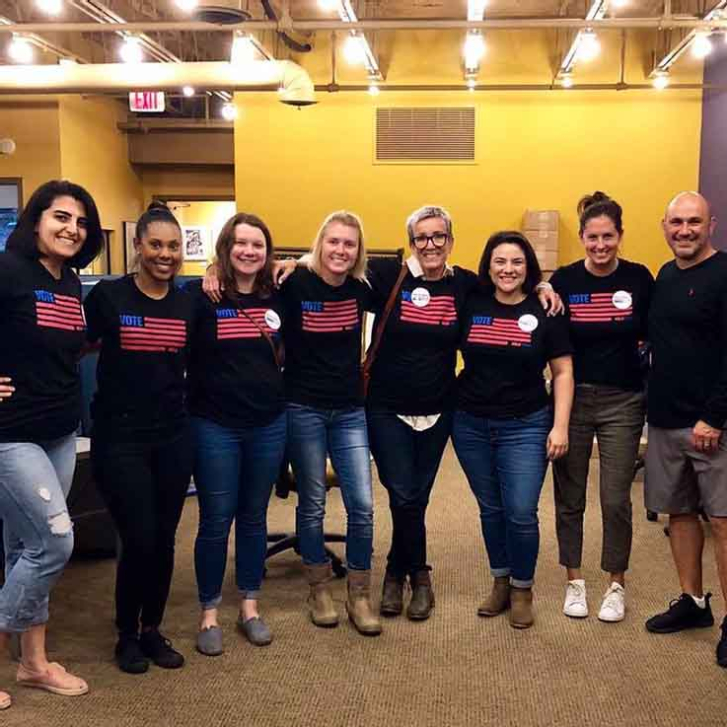
In the midst of an ongoing assault on civil rights, the ACLU’s Strategic Affiliate Initiative is helping a century-old organization grow to meet the moment.
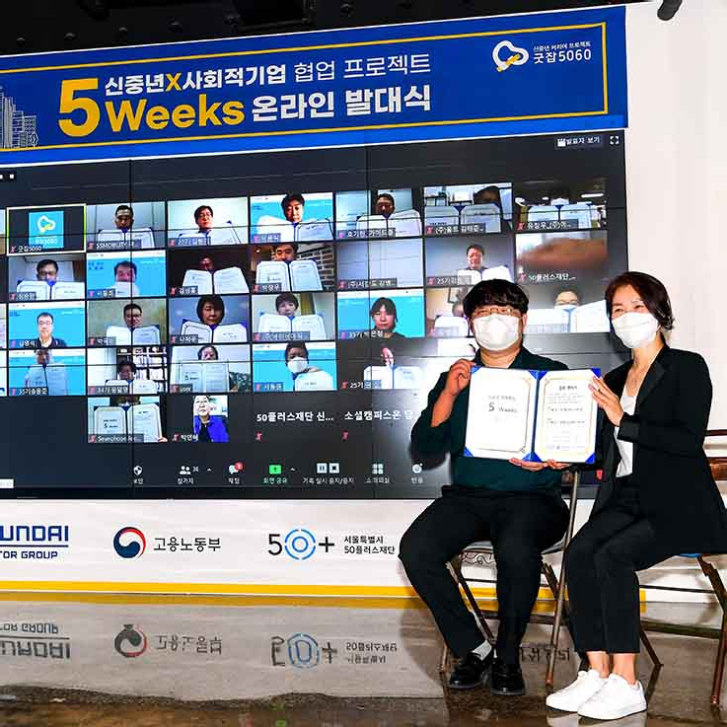
By combining a business ecosystem approach with collective impact, a South Korean initiative is battling late-life poverty and putting valuable professional knowledge back to work.