


What Kinds of Protests Work?
Protest actions seen as extreme and highly disruptive diminish popular support.
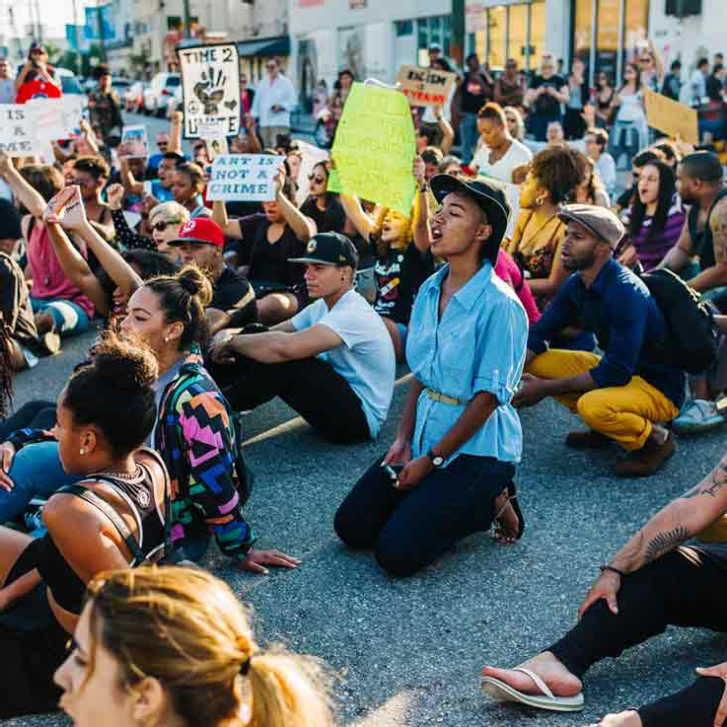
Protest actions seen as extreme and highly disruptive diminish popular support.
People who have moved tend to be more inclined to donate to non-local causes.
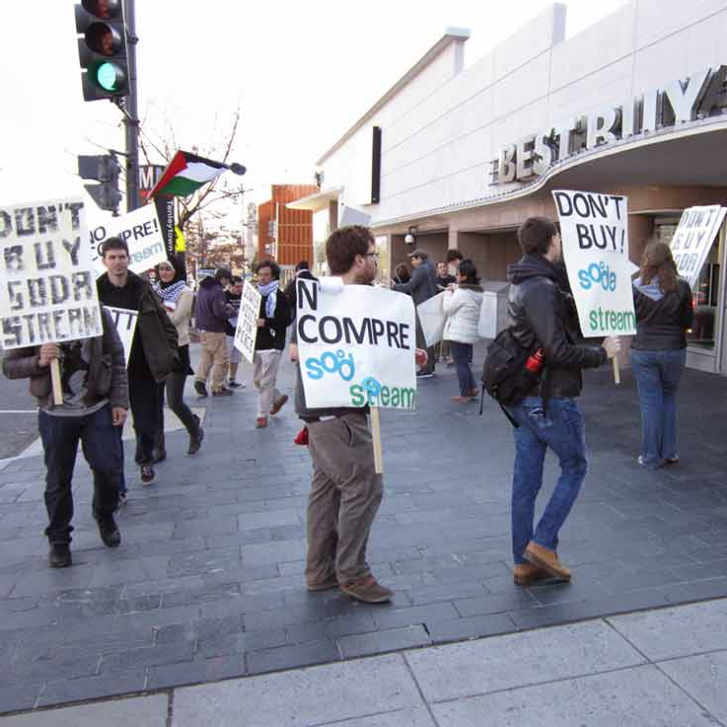
Social movement boycotts increase board turnover, especially when board members are sympathetic to the cause at issue.
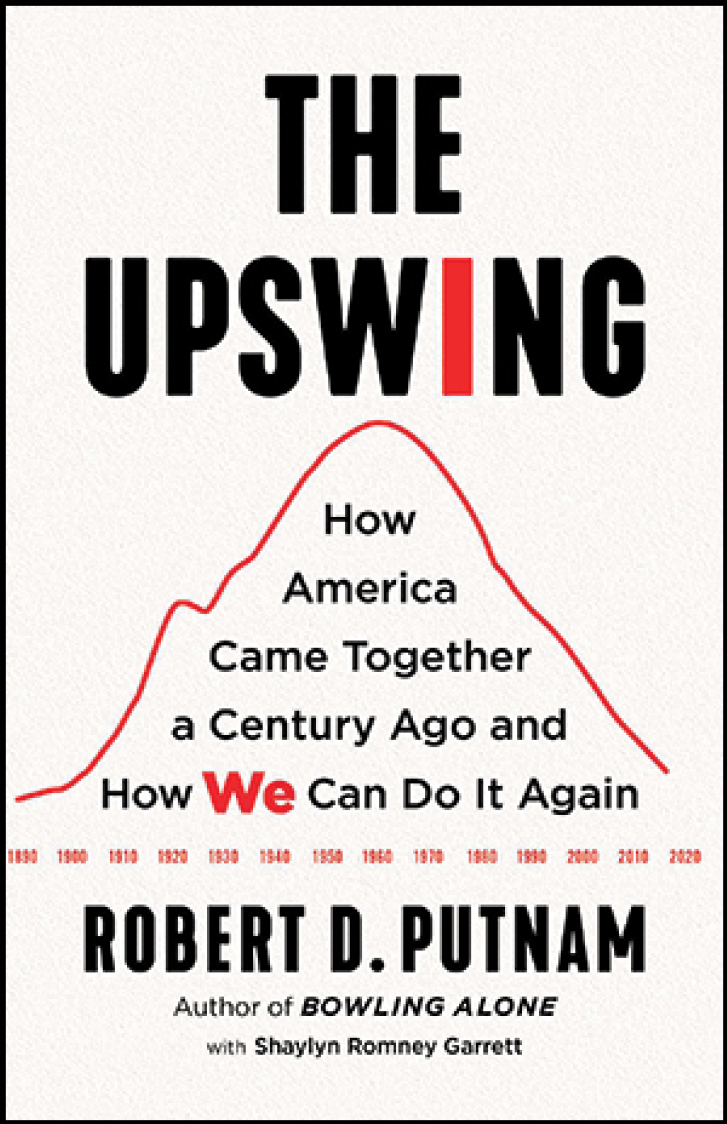
The famed author of Bowling Alone returns with a sweeping social history that searches for optimism in a deeply divided America.
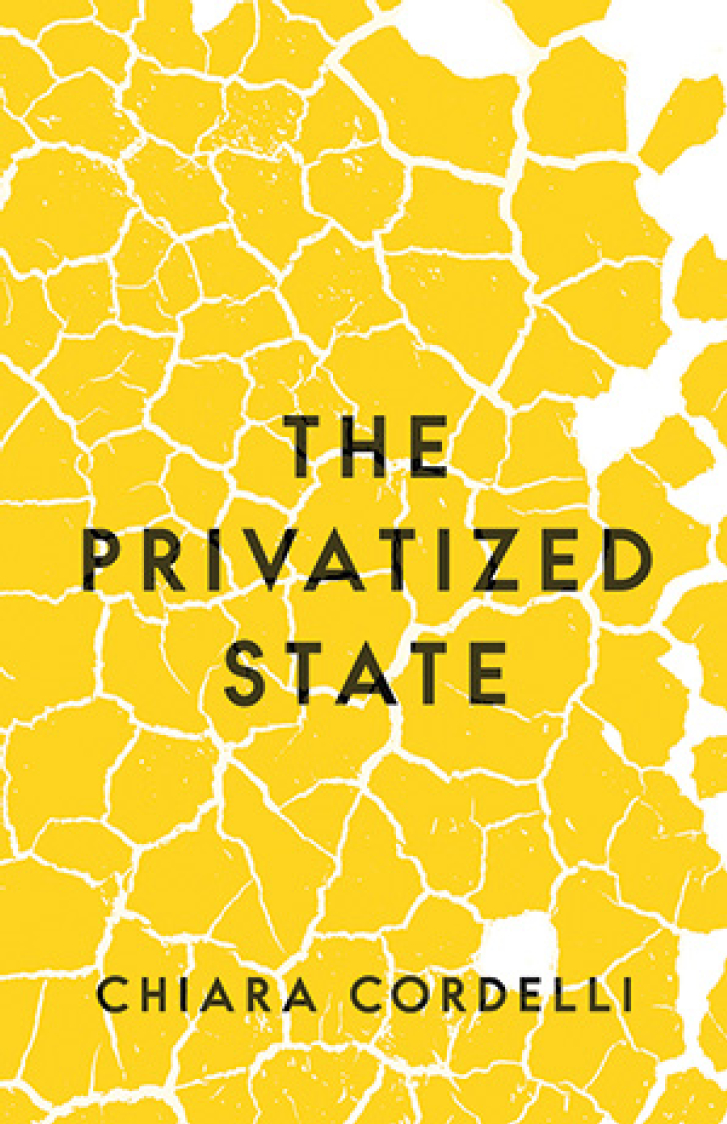
In The Privatized State, Chiara Cordelli explains how the US government divested itself of its duties and offers solutions for rebuilding the republic.

Despite the poverty rate being significantly higher in rural America, philanthropists continue to pour money into urban areas.
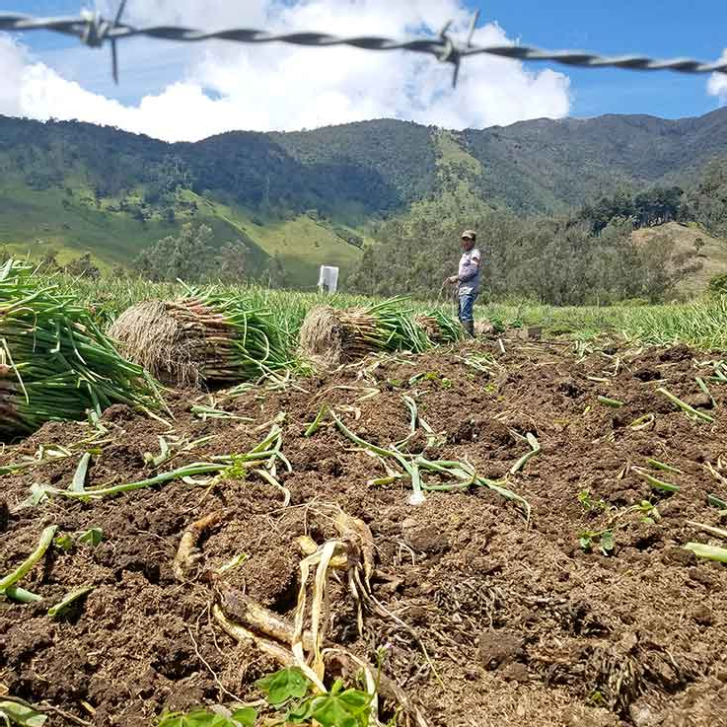
Links to all of SSIR's online-only articles published the past three months, with editors' notes about standout pieces on design thinking, foundation spending, and rebuilding US democracy.
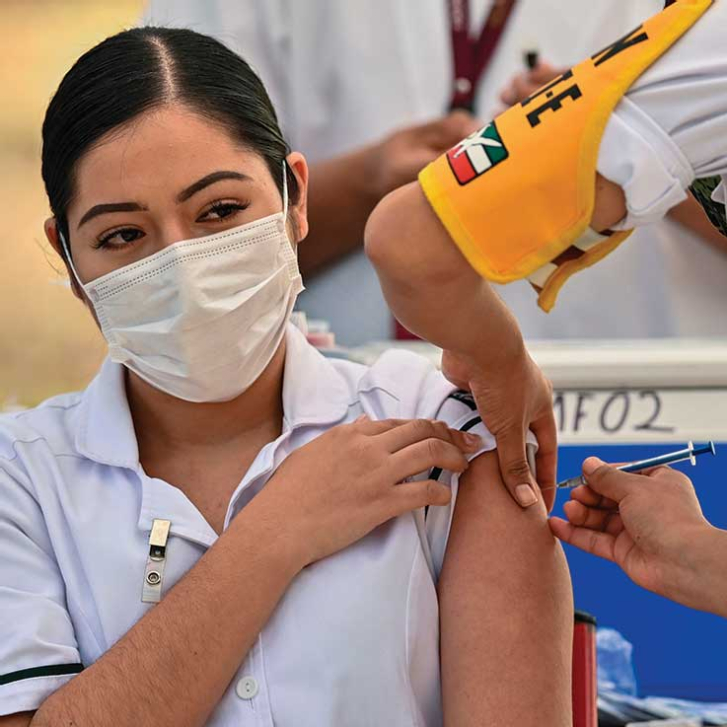
Wealthy nations are making large purchases of approved coronavirus vaccines, leaving other countries to wait longer to acquire the vaccine.

By building strategic alliances with investors and shareholders, Indigenous Peoples are proactively protecting their rights by urging corporate respect of those rights in routine operations.
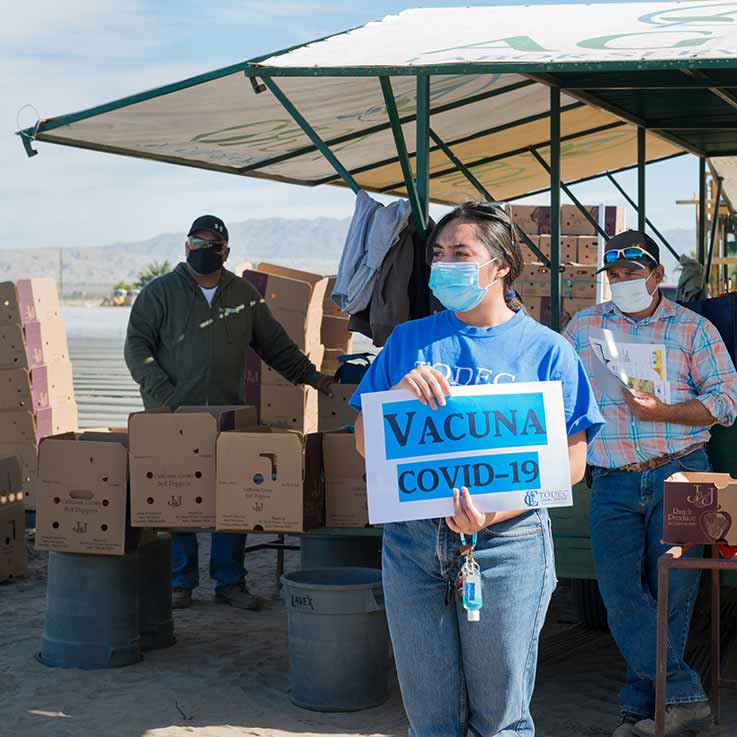
Four ways philanthropy can effectively partner with governments to support equitable vaccination distribution and ensure that more individuals are vaccinated against COVID-19.