


Liberation Technology
LibertApp is proving how technology can be used to stop human trafficking and save lives.

LibertApp is proving how technology can be used to stop human trafficking and save lives.

At the forefront of the effort to raise awareness about Africa’s climate plight is Vanessa Nakate, a 24-year-old Ugandan social media activist.
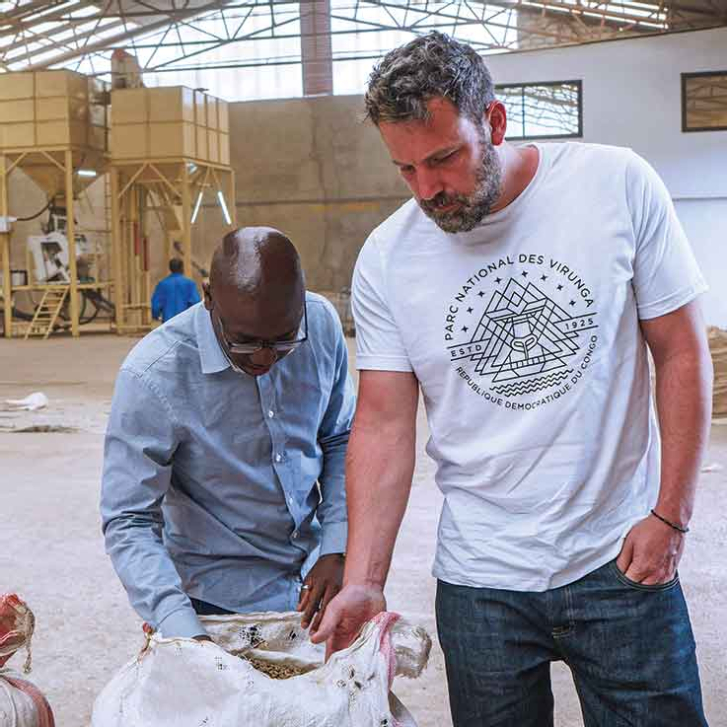
The Eastern Congo Initiative is transforming foreign aid by advocating for, investing in, and partnering with community organizations.

A pioneering initiative is showing how traditional financial organizations can cocreate with nonprofits and entrepreneurs to improve the financial health of all Americans.
Open-access to this article made possible by the Financial Solutions Lab.
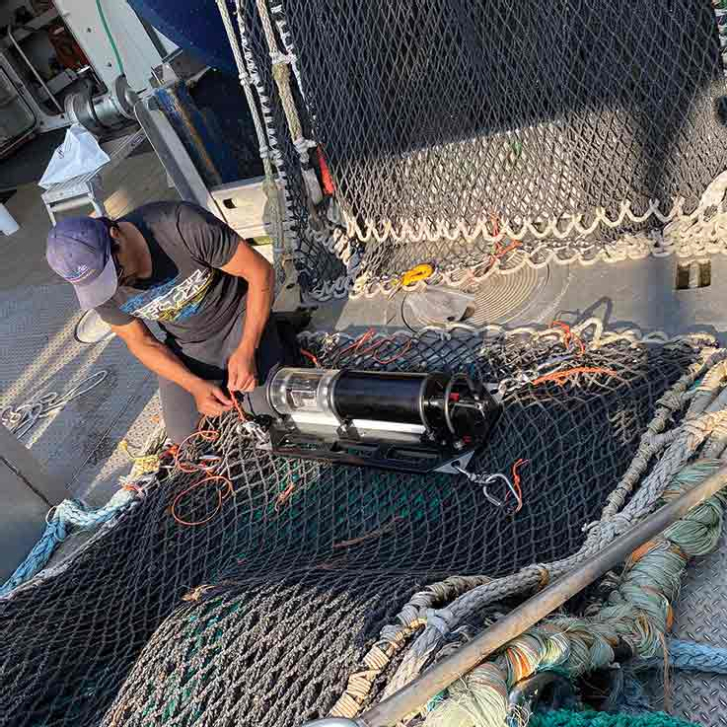
SmartCatch deploys digital technology to help make the world’s commercial fishing industry more sustainable.

Rick Doblin launched the Multidisciplinary Association for Psychedelic Studies in 1986 to research and advocate for the use of LSD, magic mushrooms, and Ecstasy to treat mental illness. After more than three decades of labor, he has found his moment.

Research-practice partnerships can help academic researchers and school district leaders discover what works for schools and classrooms.
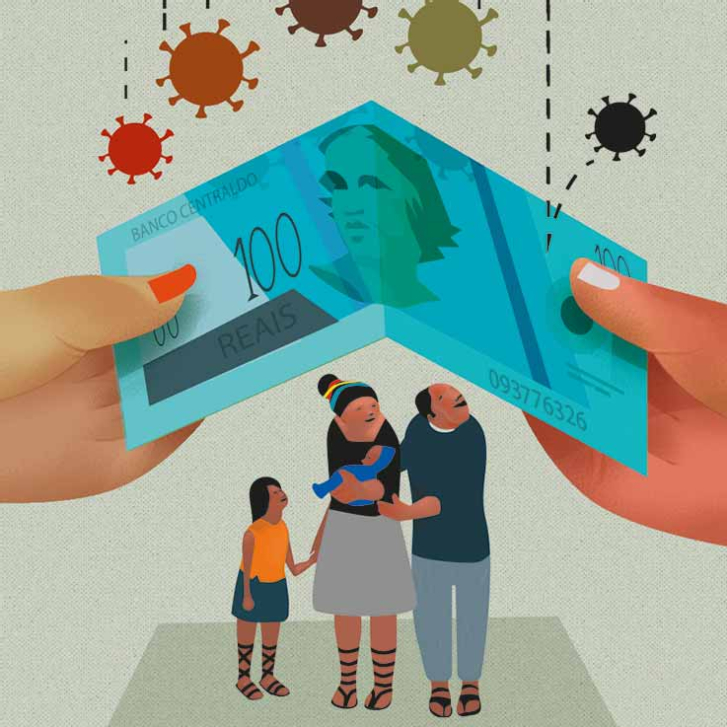
Brazilian civil society worked together to win basic income for the poor. Its success illustrates how organizations must interlock to secure rights and push for social change.
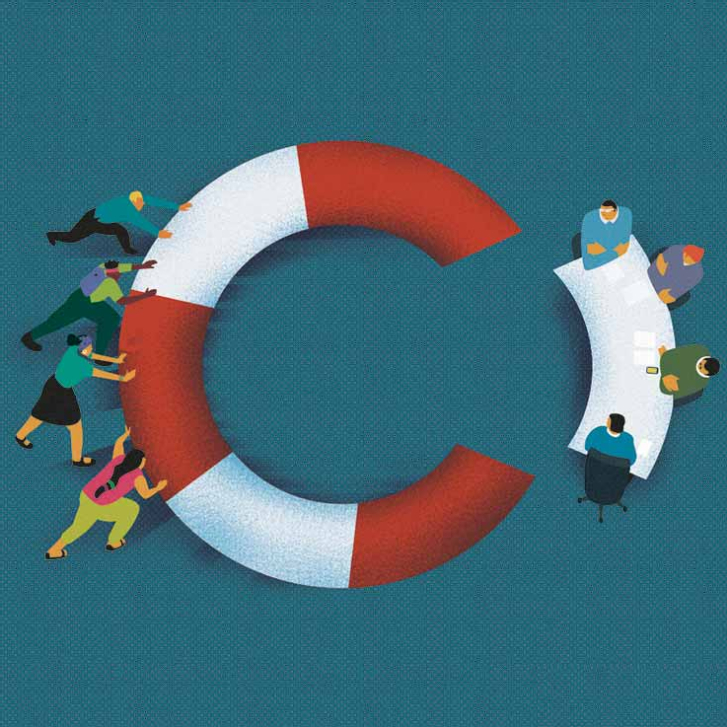
International aid must use different approaches to address the massive systemic problems it seeks to solve.

Selfless behavior of key individuals is critical to the development of local institutions for self-governance.