

Thinking about social impact measurement on a spectrum can help organizations develop a clear, evidence-based idea of how or why their programs work.

Leaders from three San Francisco Bay Area arts organizations discuss how they are shaping both their organizations and their performances to make them more diverse and welcoming to all.
Too often impact investors park customer insight at the door when focused on projects in poor communities. These approaches can help them learn what their target consumers really want. Part of a series produced for SSIR with the support of the Hewlett Foundation.
Growing confusion about impact investing's key principles and practices has it headed for a fall.

A framework for programs focused on empowering adolescent girls.

Highlights of this year’s book reviews and excerpts on issues including women’s inequality, sustainable leadership, and the hypocrisy of elite philanthropists.
We’re in big trouble if complicated, expensive schemes like these are what it takes to get big funders to fund for impact.
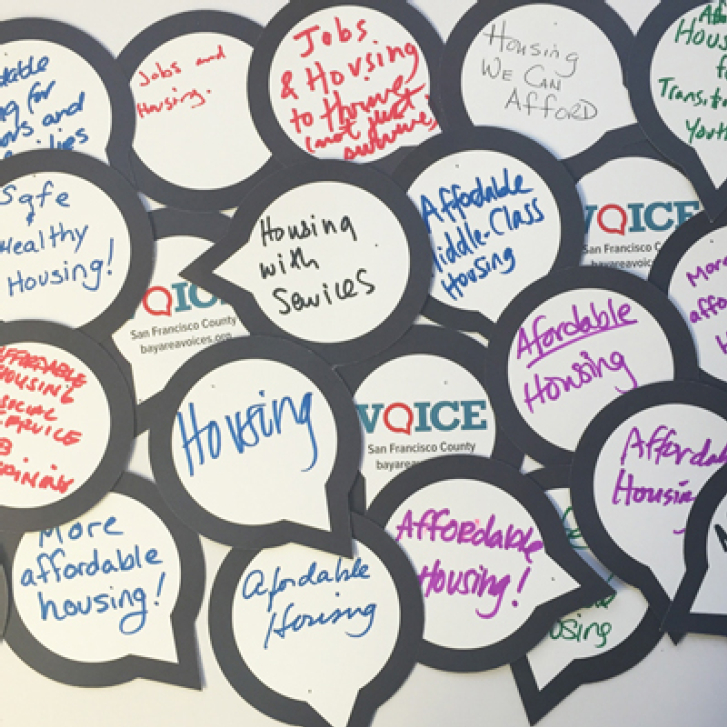
Based on feedback from community listening sessions and consultations with local experts, The San Francisco Foundation reshaped its grantmaking strategy and role in addressing the inequities facing Bay Area residents. Part of a series produced for SSIR with the support of the Hewlett Foundation.
An excerpt from Africa's Business Revolution: How to Succeed in the World's Next Big Growth Market shows how "doing good" and "doing well" go hand-in-hand.