IMPACT INDIA
Reframing Education Change in India
Improving learning outcomes in India requires that funders and social purpose organizations shift to working on the entire educational ecosystem rather than focused interventions.

Improving learning outcomes in India requires that funders and social purpose organizations shift to working on the entire educational ecosystem rather than focused interventions.
A reading list of our favorite articles on the Sustainable Development Goals.
By designing programs and policies to overcome longstanding systemic barriers in communities, we can expand opportunities for equity.

A framework for understanding the roles you can play in a movement for social change.
Why the process of creating a theory of change matters, and a five-step guide to success.

Successful social innovation at scale requires partners from the public, private, and social sectors to work together through flexible models that evolve to meet shifting requirements and address changing risks.
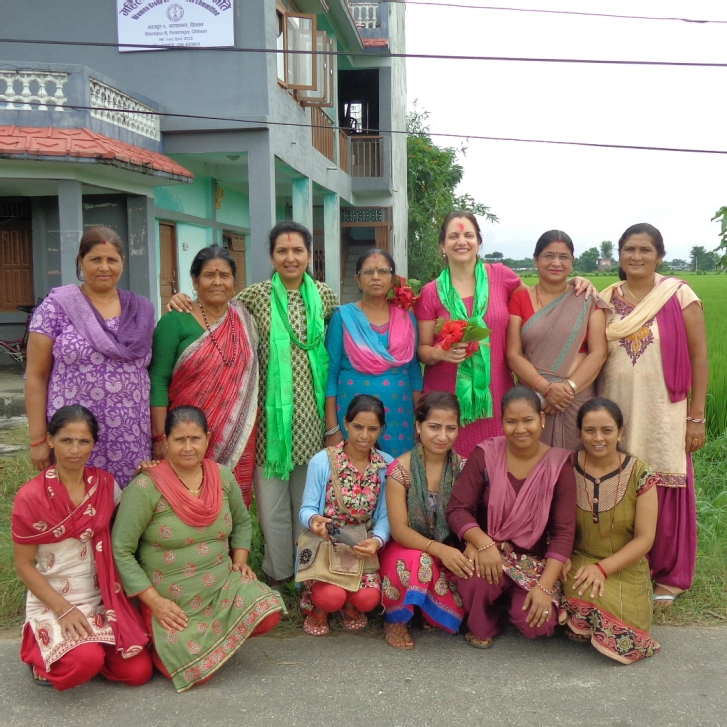
While they are no magic wand and really only work as part of a holistic approach, there is enormous potential for international development organizations to help communities help themselves through savings and credit groups.

Many organizations in China are aging without reaching their potential for impact because they lack needed talent, but there are ways to overcome this challenge.

This series, produced in partnership with Equal Measure, aims to inspire new and inform current conversations about the role of equity in the development and evaluation of philanthropic investments.

Growing a social venture can create brand challenges with far-reaching consequences.