
Diving In: Nonprofits, NGOs, and Design
A dialogue about how nonprofits can do a better job integrating design thinking into their work.
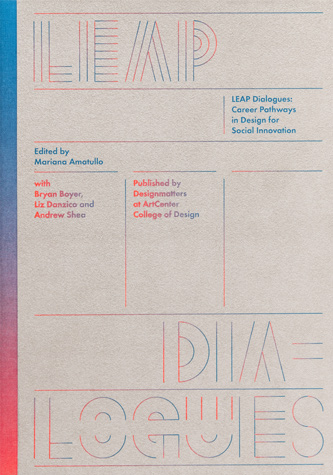
A dialogue about how nonprofits can do a better job integrating design thinking into their work.
Including grantees in decision-making, program-building, and strategy is critical to effective social impact. While the things grantmakers “do” are important, authentic inclusion also requires that they embrace a new mindset.
Taking chances, setting high standards, making long-term commitments to improvements, and defining and then measuring success can put nonprofits, NGOs, and foundations in a better position to draw in supporters of all kinds.
A look at how two Brazilian organizations are weathering the country’s economic storm.

A cultural discomfort with the use of power by the “few” can undermine social sector organizations’ performance and impact.

Large health care systems are beginning to invest core operating dollars in connecting their patients to community resources, in service of the ultimate solution to better costs and outcomes: keeping patients healthy.

This multi-part series, produced in partnership with Grantmakers for Effective Organizations, tells the story of why and how grantee inclusion is key to effective philanthropy, from both the funder and nonprofit perspectives.
The Atlantic Philanthropies and its network of partners are using advocacy and communications to end capital punishment in the United States once and for all.
There are conditions under which nonprofits, even those pursuing transformative scale, will find commitment strategies—rather than exit strategies—to be the right answer for their direct service programs.

Faith Mitchell of Grantmakers In Health, Dr. Robert Ross of The California Endowment, and Nick Tilsen of the Thunder Valley Community Development Corporation talk about how their organizations are addressing health gaps among different communities.