


The Gift of the Body
Singapore has more legally permissive rules than Taiwan on organ donation consent, but Taiwan has greater donation rates because of the infrastructure of consent that its medical system has built.
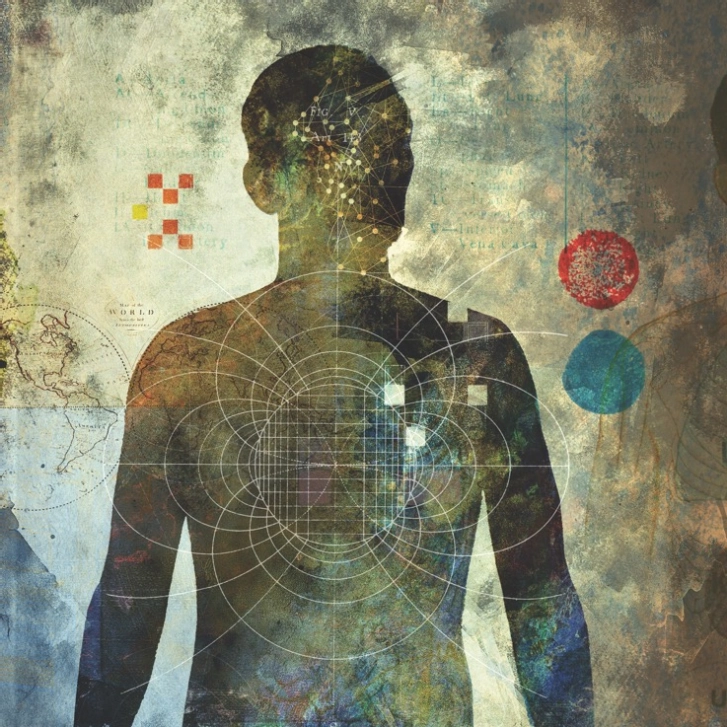
Singapore has more legally permissive rules than Taiwan on organ donation consent, but Taiwan has greater donation rates because of the infrastructure of consent that its medical system has built.
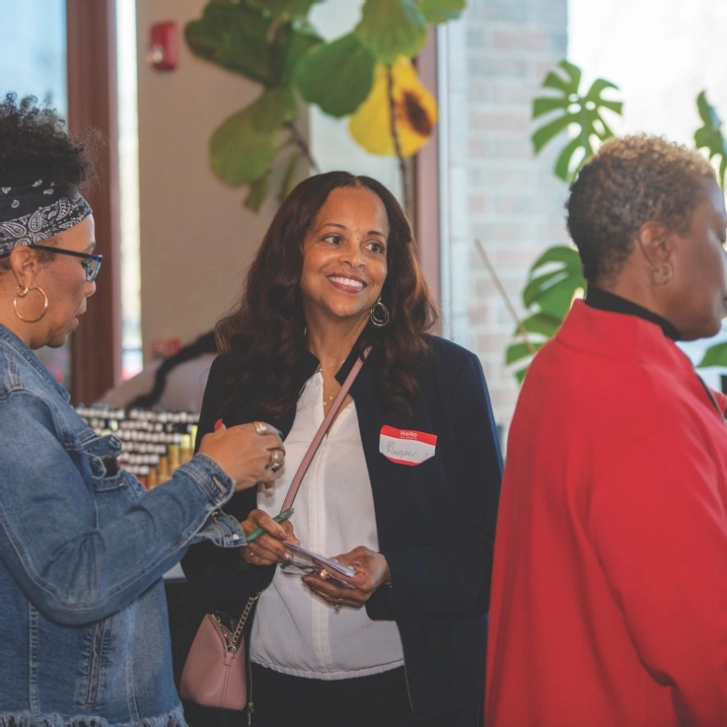
Deindustrialization hit Chicago's south suburbs hard. Can the Southland Development Authority breathe new life into the area and promote a template for reviving regions?

For nearly a century, US policy prioritized homeownership to build middle-class wealth—leaving many renters behind. But innovative new renter-wealth models are enabling renters to access the American dream.

Lessons from Wesleyan on entrepreneurial education
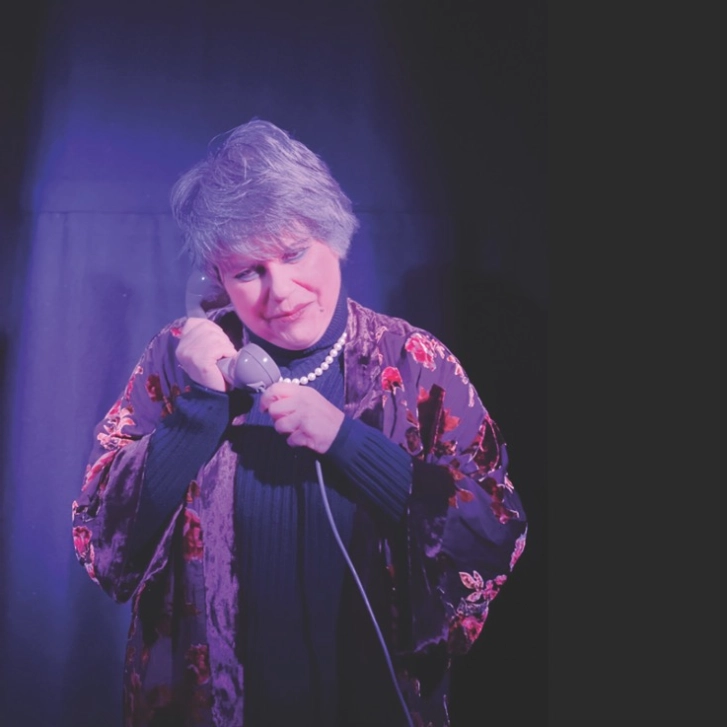
A theater director transformed an abandoned newsstand into a radically new theatrical experience that is helping to revive the historic center of a Southern Italian town.
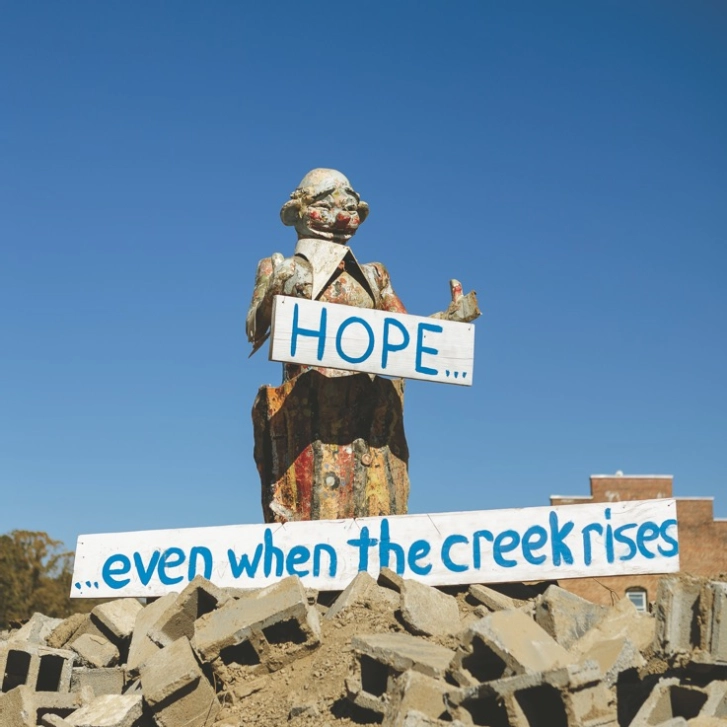
Appalachia's trust-based recovery from climate disaster offers a vision of the future and a road map to follow, for anywhere in the world where underdeveloped infrastructure is exposed to climate volatility.
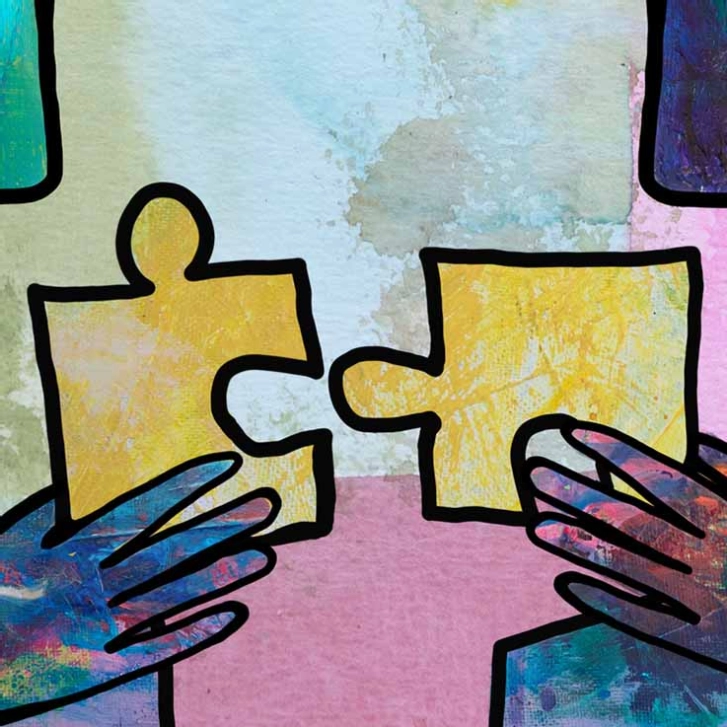
As the industry and its financial model become increasingly precarious, a reimagining of how performing arts organizations can operate more efficiently is critical for survival.
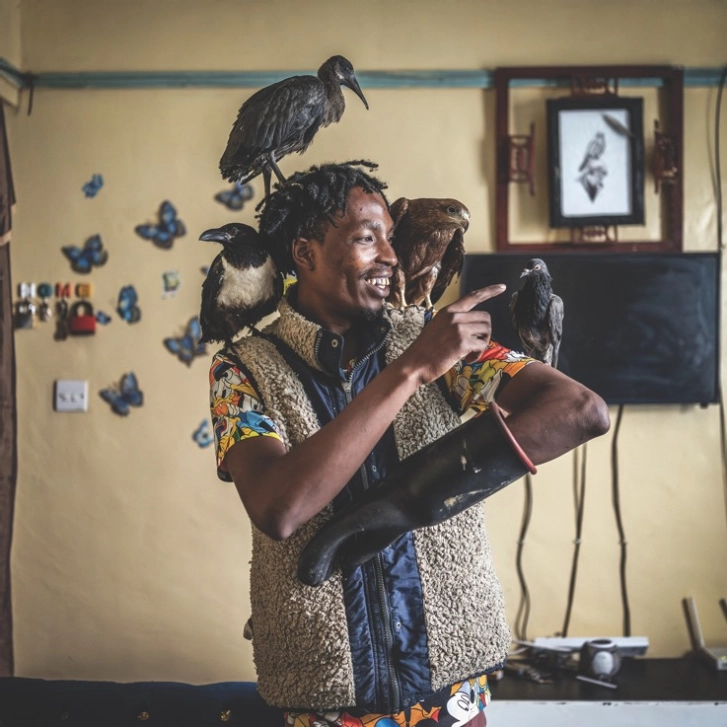
Rodgers Oloo Magutha, 28, has become a local celebrity for rescuing and rehabilitating injured and orphaned wild birds in his one-room apartment in Nairobi.
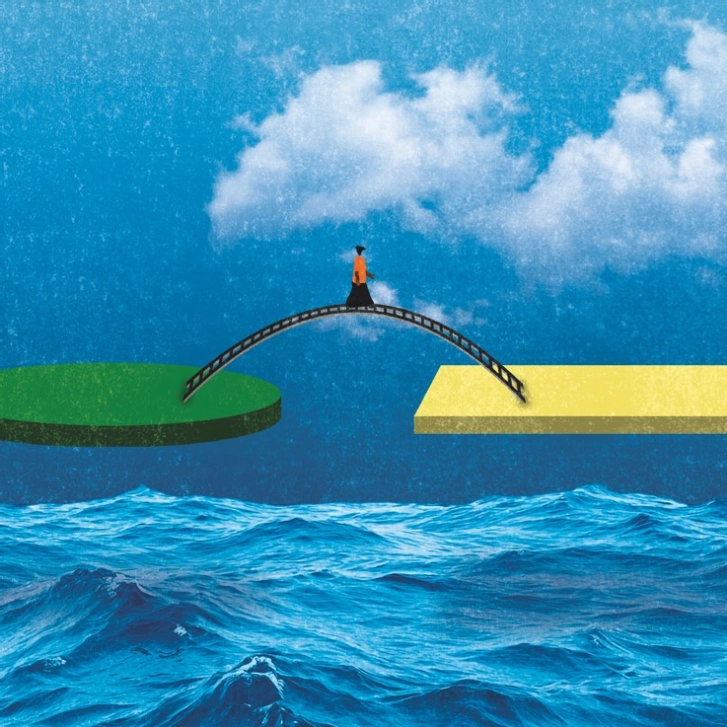
There's validity to the common explanations for the "vibecession," but articles in this issue go deeper into the longer-term loss of agency, growing disbelief in upward mobility, and instability at the root of many people's lives.
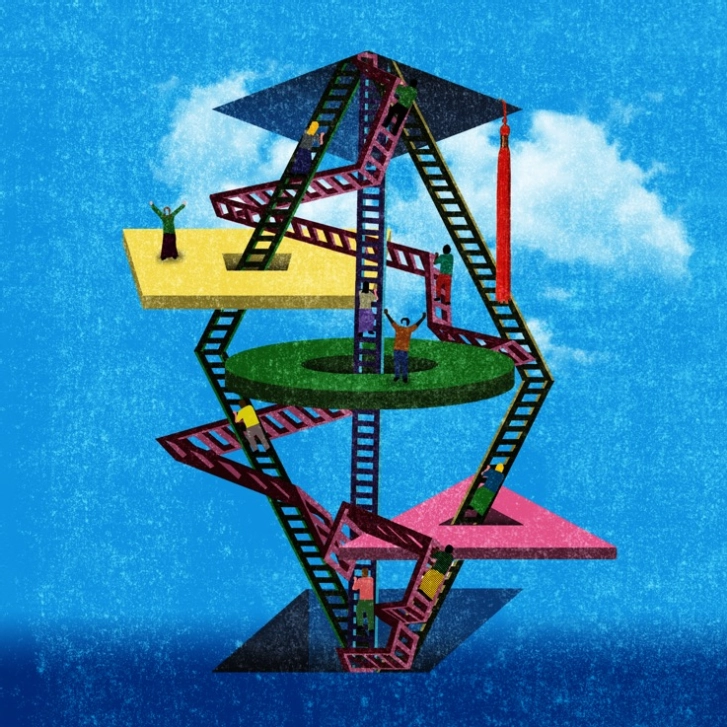
School-based models for developing talent won't provide the skillful, resilient people every society will need going forward. We need to build civic architecture for recognizing learning whenever and wherever it occurs: at home, at play, in community, and especially at work.