


Education Needs Impact Engineering
The many discoveries from education research aren't making it to the classroom. It should follow the medical model of building infrastructure to translate research into impact.
Insights from the front lines (more)

The many discoveries from education research aren't making it to the classroom. It should follow the medical model of building infrastructure to translate research into impact.

Conflict is inevitable in any organization. The question for the nonprofit sector and its supporters is how to structure it in ways that strengthen communities.

Due to regulatory complexity, the charitable deduction has become a mirage. Only through careful planning can donors optimize their giving.
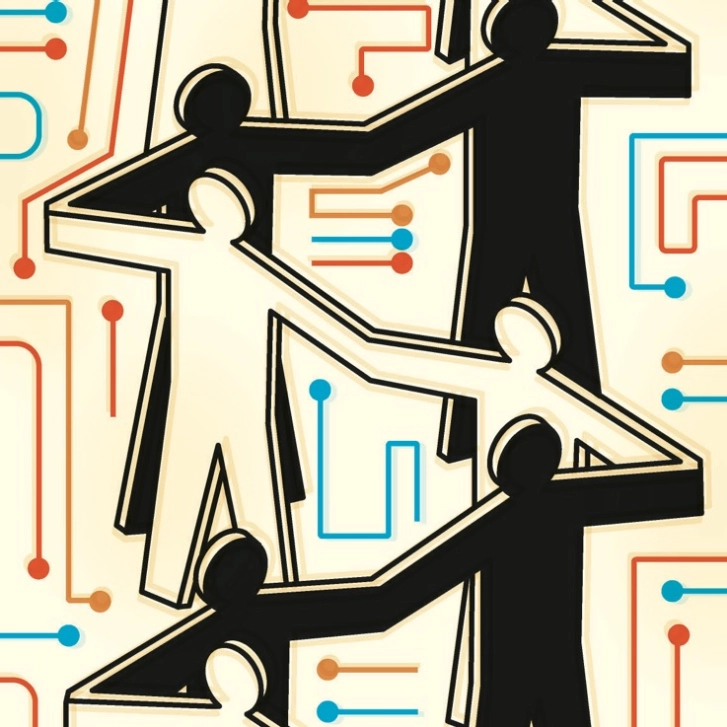
In developing economies, the digital health platforms that actually work are not imported. They are built from scratch by the communities they serve.
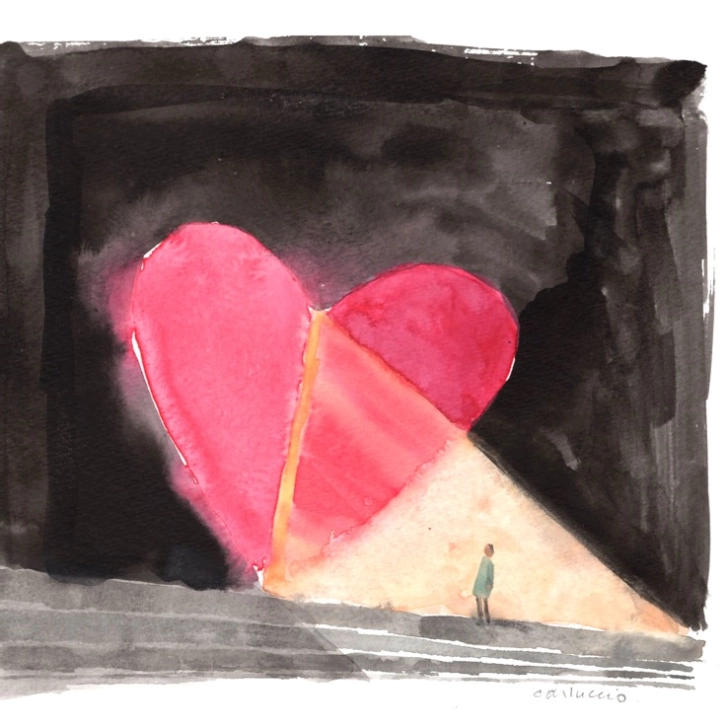
Quality, not access, will define the future of global health. We've developed a platform to improve health-care quality worldwide.

Green hydrogen partnerships in the Middle East and North Africa are sidelining the civil society organizations they claim to empower, repeating the sins of colonialism.

With the downfall of traditional government aid, local organizations around the world need infrastructure connecting them to private funding sources while protecting their missions.
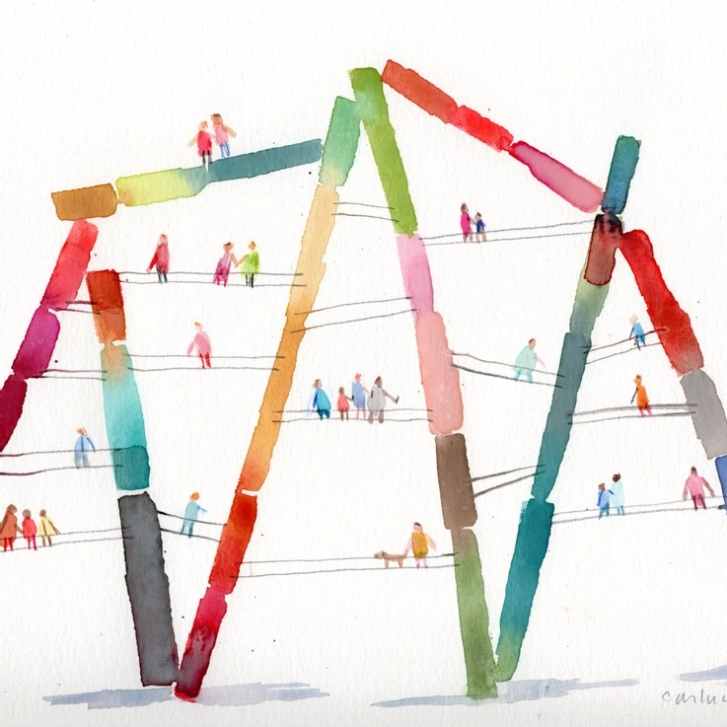
Successful advocacy requires not only increasing support on our issues, but inspiring people to believe that they can win. | This article is free to all readers thanks to sponsorship by BLIS Collective.

After a decade of transforming public spaces, we are building trust and connection between Americans.
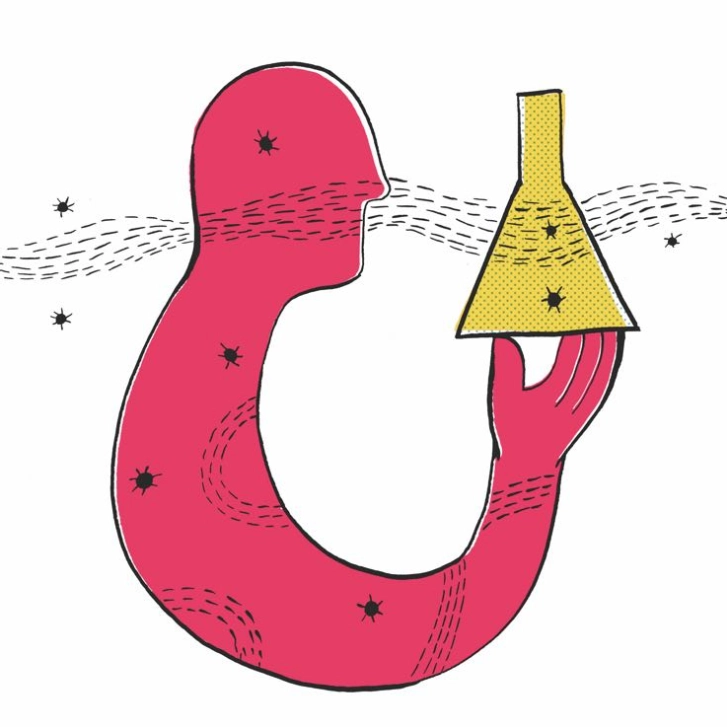
The COVID-19 pandemic shattered established views of airborne disease. Although it represents a paradigm shift in public health, the field has yet to catch up.