


Arriving at Collective Power
In The Common Good Economy, Mariana Mazzucato is clear-eyed on where we need to go, but the next step is understanding the power structures that prevent us from getting there.
Reviews of new and notable titles (more)
In The Common Good Economy, Mariana Mazzucato is clear-eyed on where we need to go, but the next step is understanding the power structures that prevent us from getting there.
John Washington’s How to Close a Camp explores the contemporary growth of immigrant detainment facilities under the Trump administration but argues that entrenched political failures are what makes them possible and what must be addressed.
In Paul Almeida's Climate Change and Civic Engagement, the only pathway forward is broad worker-based civic alliances that go beyond narrow elite-driven technological decarbonization.
Two recent books explore the modern prominence of the global financial-inclusion agenda and argue about how it got there.

Laura Mauldin's In Sickness and in Health examines the plight of family caregivers and the ableism that causes them to suffer their burden alone.
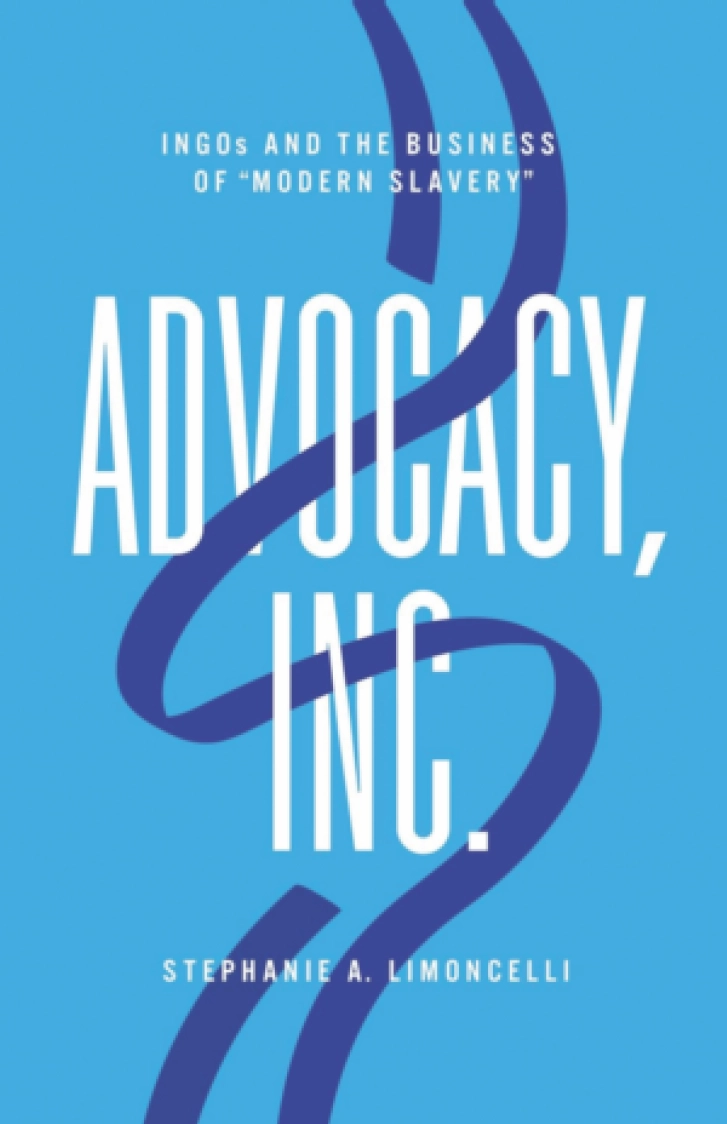
Stephanie Limoncelli's Advocacy, Inc. argues that the anti-slavery movement's business-friendly orientation impairs its ability to advocate on behalf of workers and exploited victims of trafficking.
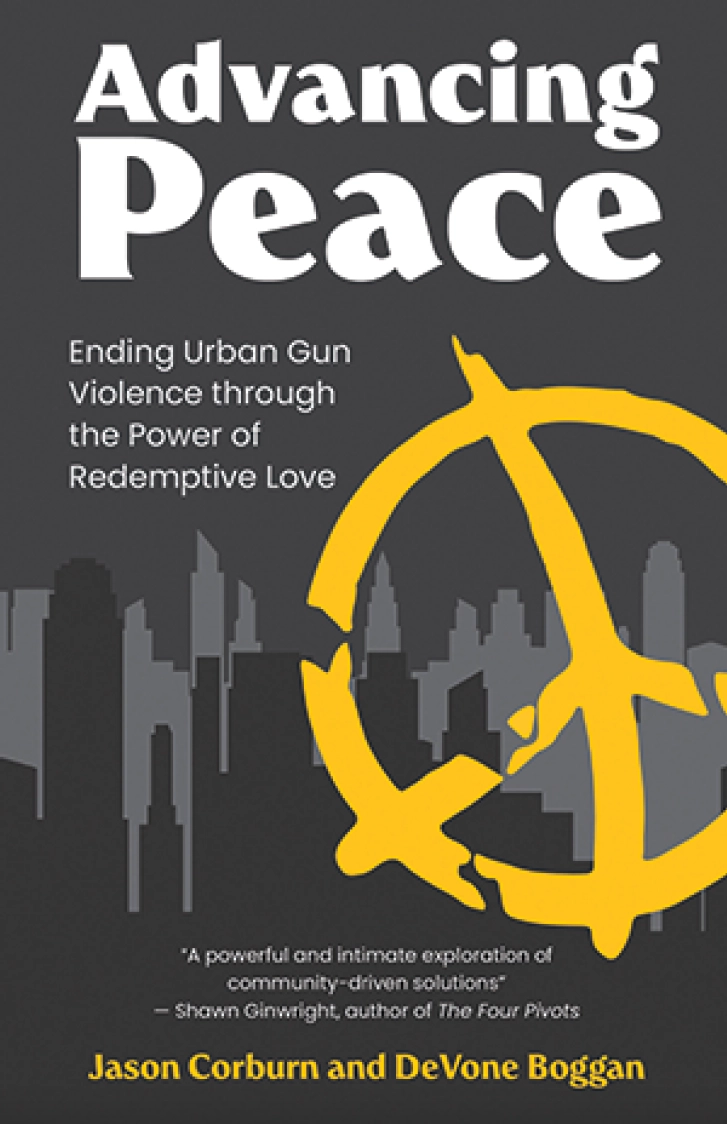
Jason Corburn and DeVone Boggan's Advancing Peace explores a striking model for addressing urban gun violence without police.

As refugees transform urban spaces, we must build the infrastructure to make it for the good.
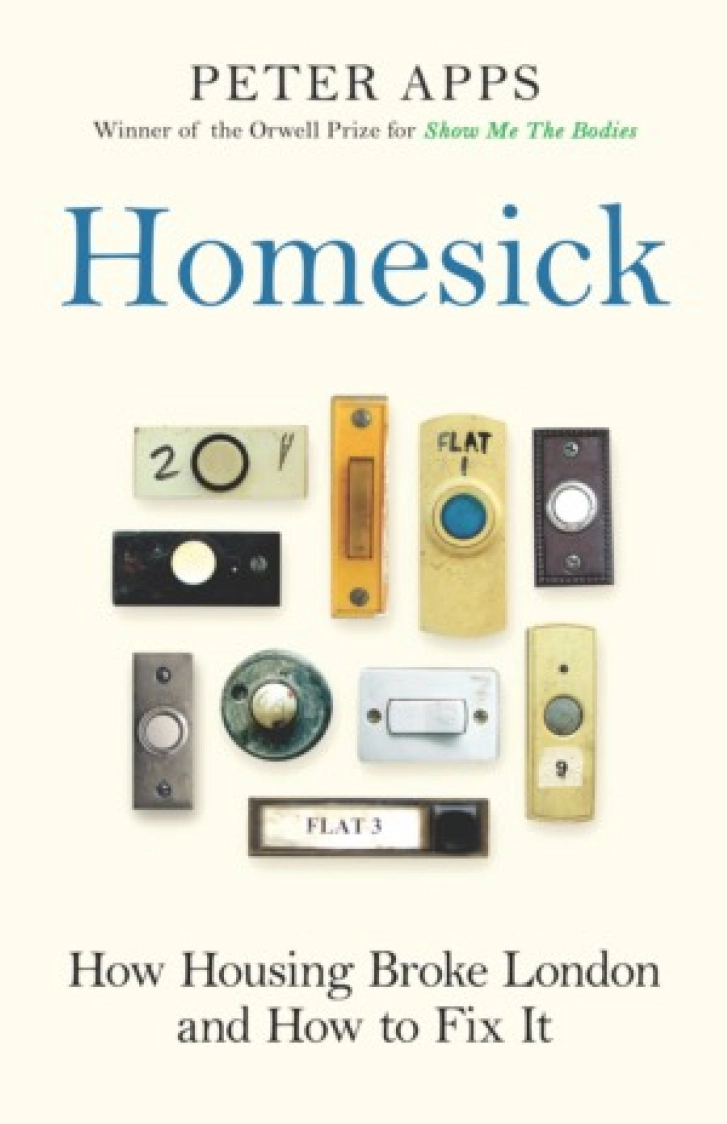
Peter Apps' Homesick argues that beneath the housing crisis of rents and shortages is a deeper history of community-unbuilding.
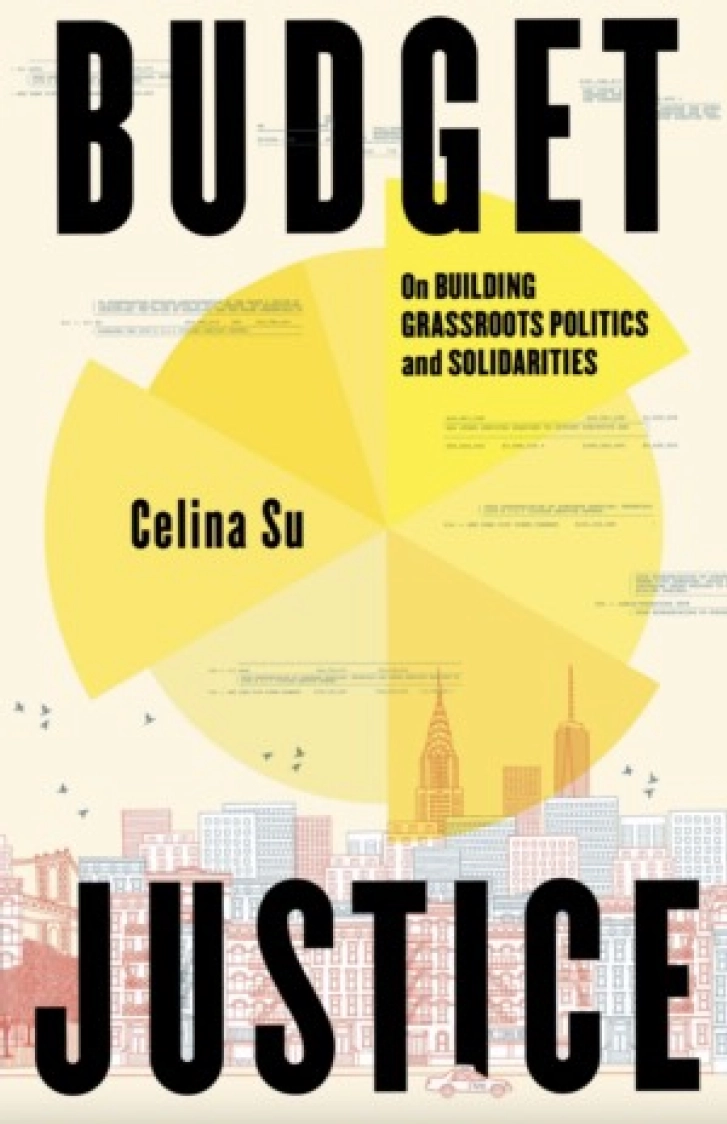
Celina Su's Budget Justice is a call to reengage citizenry and build solidarity through participatory democracy.