



Excerpt

Four ways classroom tutoring support can improve education while increasing the well-being of young and older populations in underserved communities.
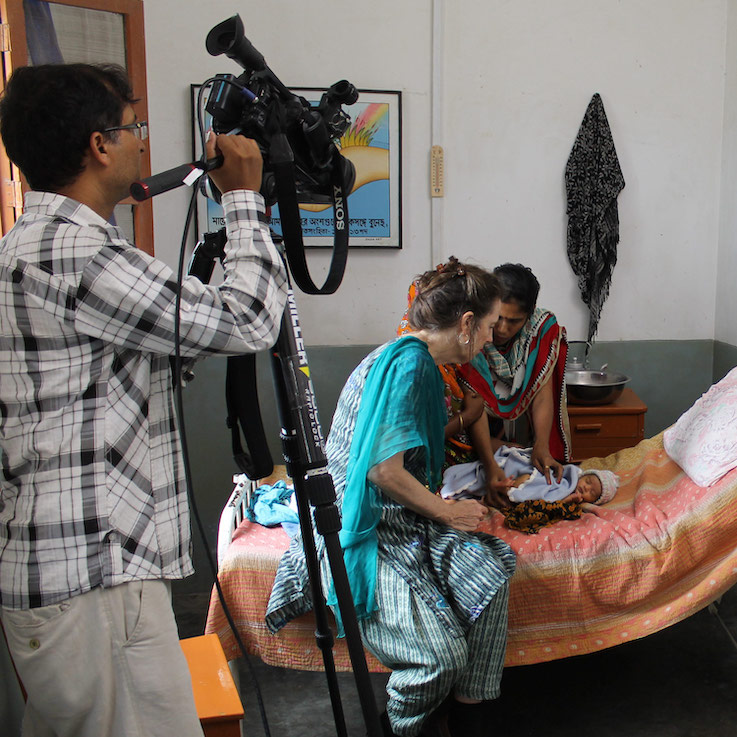
Developing countries face a quality crisis in the delivery of frontline health care. The nonprofit Global Health Media marries modern video technology with compassionate instruction to fill the gap. This is the first episode of a two-part series about raising the quality of health care in the developing world. Listen to the second episode here: The Healing Force of Family.

A collection of SSIR articles on civil society's insights into the logistics behind a global vaccination campaign, including ideas for winning over the hearts and minds of people who aren’t yet convinced they should get the shot.

Lack of access to capital is a longstanding and well-known barrier to equity for communities of color and women, but overcoming systemic injustices will take more than moving money. How investments are made, and the power dynamics behind those decisions, need to change, too.

A look at how colleges and universities can move from age-segregated institutions to age-integrated ones.

Systems change is more a destination than a journey. "Scalable solutions" might be a better way to make the trip.

Long hailed as a major piece of the climate solution, sustainable business practices have not only fallen short: They even enable the continued dominance of fossil fuel.
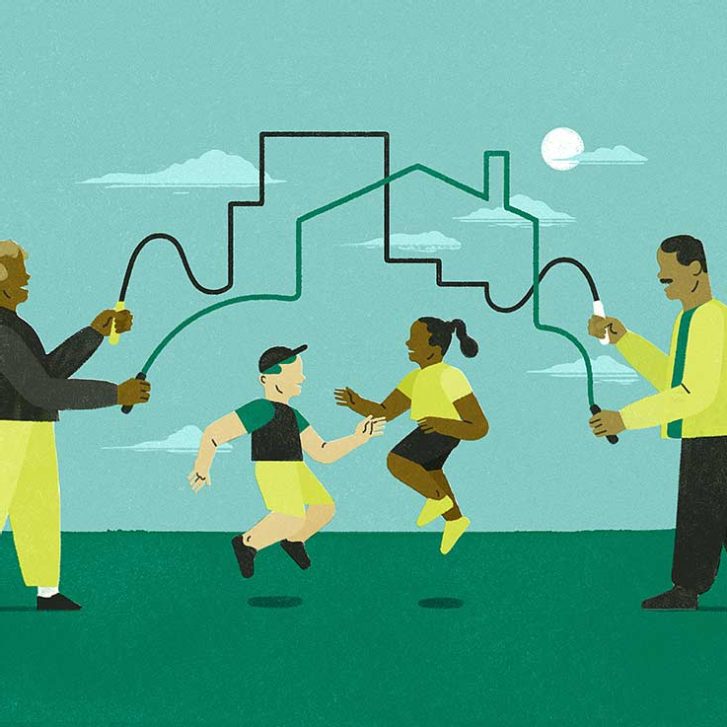
Intergenerational shared sites that bring childcare and eldercare under the same roof help both generations thrive, and we need to build more of them.

Seven actions social change leaders and machine learning developers can take to build gender-smart artificial intelligence for a more just world.