Getting the Best Possible Failures in Philanthropy
What constitutes “good” failures in philanthropy, and how can we have more of them?
What constitutes “good” failures in philanthropy, and how can we have more of them?
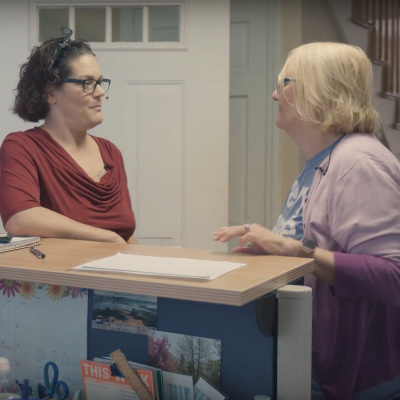
Kate Lauzon found sobriety and a role as an activist through her Massachusetts city's weekly resident feedback sessions, a gathering of civic groups known as "Working Cities Wednesdays" organized by Habitat for Humanity. Part of a series produced for SSIR with the support of the Hewlett Foundation.
Being a courageous and ethical leader in philanthropy means learning to listen, and sharing our power by encouraging, empowering, and enabling others.
How to shift the culture of philanthropy to one where funders understand they are part of—rather than in control of—social movements and systems-change work.
Like a good GPS system, signals from multiple sources—grantees, staff, other funders, and beneficiaries—can help pinpoint where foundations stand. Part of a series produced for SSIR with the support of the Hewlett Foundation.
For a foundation board to fulfill its essential duties, ensuring that it benefits from diverse voices, ideas, and perspectives is paramount.

Global aid agencies must shift from just agreeing to “go local” to preparing development experts for the task.
To solve societal challenges, we need strategies that work, that can be scaled for purpose, and—importantly—that are financially viable. Here’s how to get there.

In this audio slideshow, Fay Twersky, director of the Effective Philanthropy Group at the William and Flora Hewlett Foundation, discusses how the process of collecting feedback from constituents provides a much needed third dimension to nonprofit measurement practice.
How philanthropy can support low-income families to build powerful networks and craft policy solutions that reduce poverty in the United States.