How ‘Charity’ Became ‘Philanthropy’
Braided Threads traces the fascinating history of America’s nonprofit sector.

Braided Threads traces the fascinating history of America’s nonprofit sector.
Business’s capacity to transform society is only as great as the schools that train its future leaders. This demands that business schools reform their vision to promote values of business serving society in order for students to see business as a true calling rather than simply a career. Here is a blueprint for management education in the 21st century.
How the social sector can lead the way to ethical and responsible data use.
Everyone in the public and nonprofit sectors has a role to play in fostering volunteerism, and engagement can pay dividends for all.
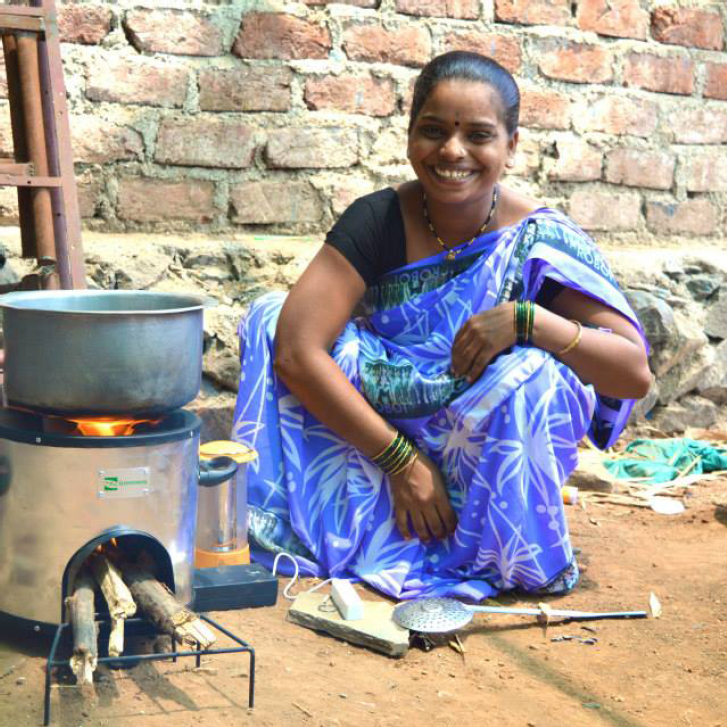
Women co-run businesses are outperforming their male-only counterparts, but not enough investors are betting on them. Here’s what we can do to support representative entrepreneurial ecosystems and how an India-based investor is pointing the way.
Civics has always been a deep-rooted part of American culture. It’s time to get it back into our classrooms.

Rob Reich, a Marc and Laura Andreessen faculty co-director of Stanford PACS, moderates a conversation about the promise and peril of technology in civil society. Reich is joined by Kelly Born, a program manager at the William and Flora Hewlett Foundation’s Madison Initiative, and Arisha Hatch, managing director of campaigns at Color of Change.
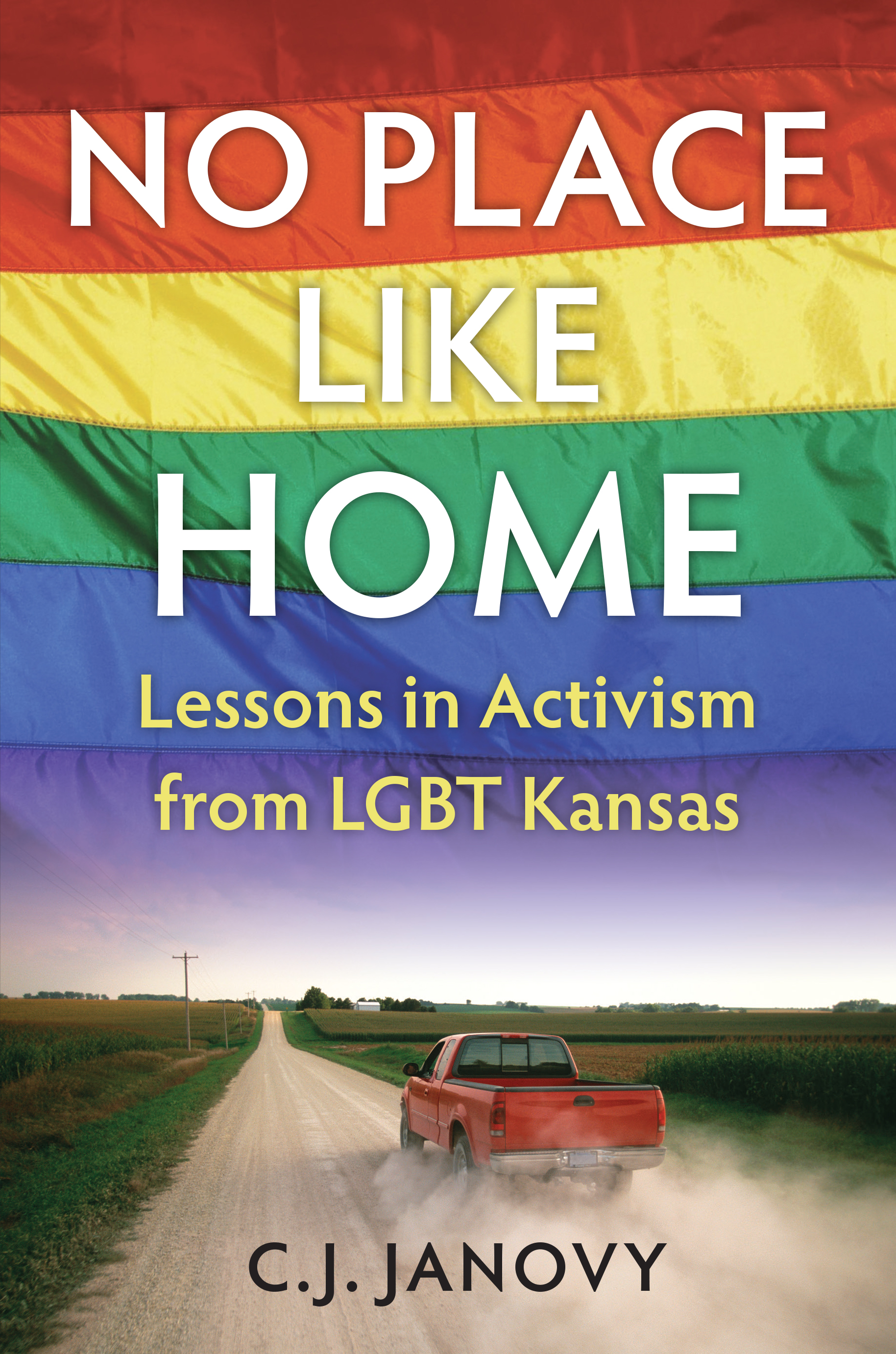
In No Place Like Home: Lessons from Activism in LGBT Kansas, C. J. Janovy offers up progressive lessons in a red state.
There is more to the story of the Johnson Amendment than is generally being presented to the nonprofit community.
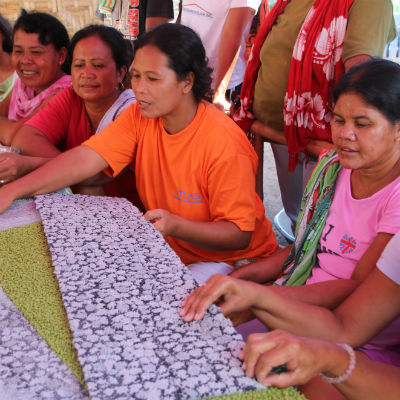
Many southern-hemisphere social enterprises excel at planning, scaling, and extending their influence—important lessons for the rest of the world.