


Most Popular P2530

Civil Society in a Majority-Minority America? California Offers Both Hope and Caution
The contours of civil society are influenced—but not bound—by America’s larger demographic curve. On the leading edge of that curve, California shows the kind of intentional, strategic role that civil society might play in a more equitable and sustainable future.

Pioneering a People-Centered Approach to Corporate Philanthropy
How making the improvement of human lives around the globe a top priority can be a means to succeeding as a business.

IN-DEPTH SERIES
Reforming Management Education
This series will showcase seven visions for how to reform business management and public policy schools.

Podcast
Fostering a Human-Centered Approach to Artificial Intelligence
Fei-Fei Li, chief scientist of artificial intelligence at Google Cloud and director of the Stanford Artificial Intelligence Lab, advocates for an approach to AI that emphasizes human psychology, augmentation rather than replacement, and social and human impact.

Diversity in Art Museum Leadership: A Funder Collaboration
A look at how a set of unique partnerships and a new evaluative framework is supporting the development of more-inclusive, equitable art museum leadership.

IMPACT INDIA
Can Technology Finally Deliver on India’s Legal Aid Promise?
New digital projects could make legal services far more accessible—but they need to be about more than just the technology.
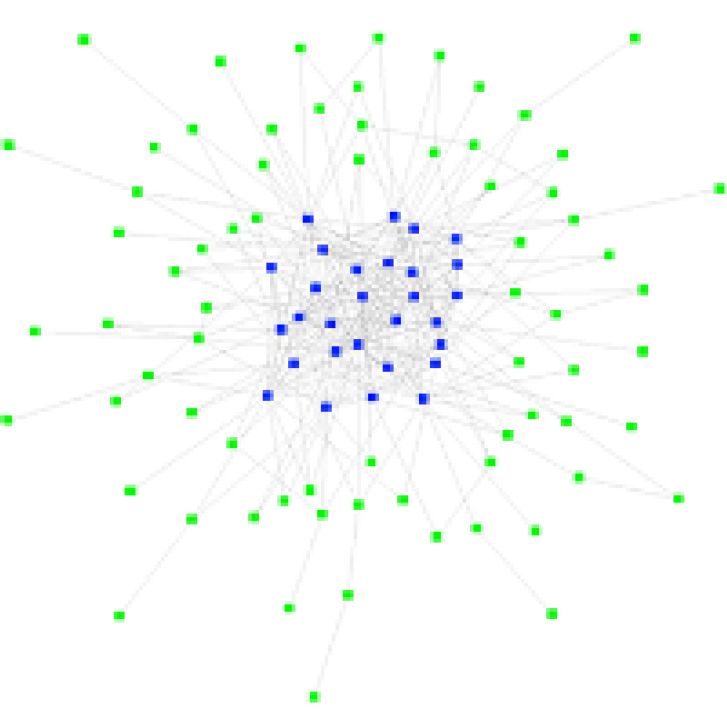
Learn Before You Leap: The Catalytic Power of a Learning Network
Why learning networks are one of the most effective ways to accelerate learning and strengthen coordination across the social sector.

Governing NGOs: A Challenge in Four Acts
Many boards experience friction as the organizations they govern mature from small teams associated with passionate founders and funders to professional groups powered by best practices. To succeed, they must evolve alongside their NGO.

If a Report Is Published and No One Reads It, Did It Really Happen?
Investing in smart communications can help ensure that valuable research gets read and put to use in solving global development challenges.