A Force for Equity in Parent Engagement
How an educational access collaborative evolved to give parents more say in creating educational opportunities for their children and help expand opportunities for first-generation students.
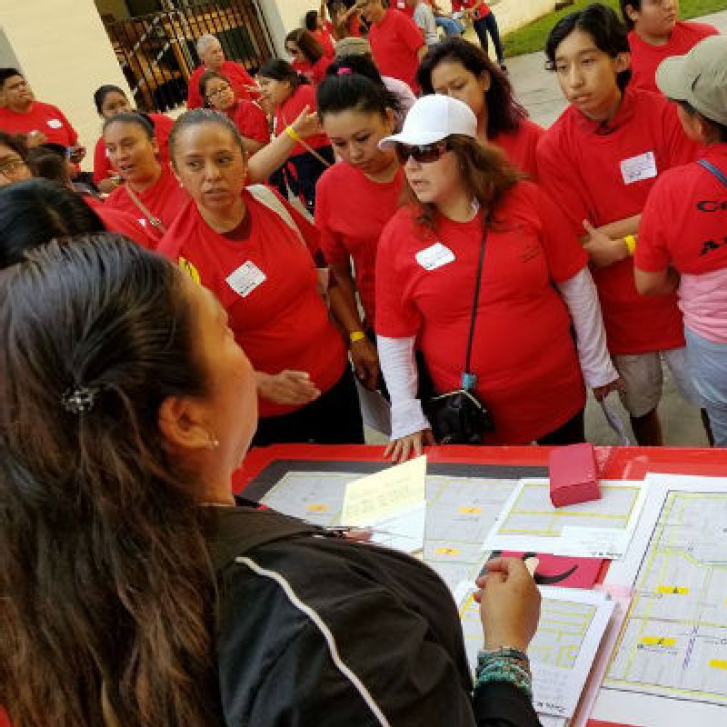
How an educational access collaborative evolved to give parents more say in creating educational opportunities for their children and help expand opportunities for first-generation students.
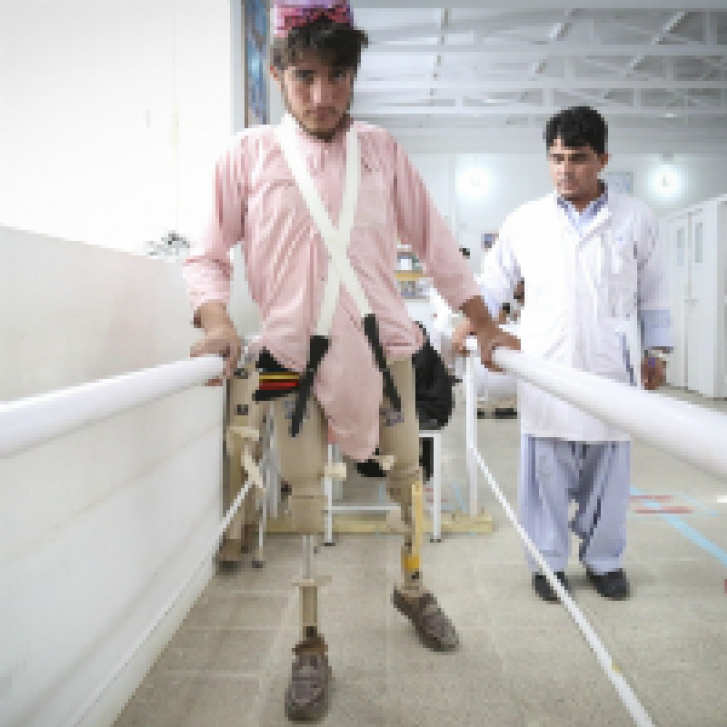
Why pay-for-success models of humanitarian impact investing offer promise for the future.

How to reframe government adoption of social innovations.

Humanitarian assistance relies on a charity model of providing immediate relief in emergency situations. But once the emergency has passed, other approaches might better deliver services in a market-driven, customer-centric way.

How education and careers connected to the aging population can provide an opportunity for economic growth.
Truly improving children’s educational outcomes at scale requires unorthodox approaches. One promising yet largely neglected approach is to systematically leverage the private sector’s agenda.
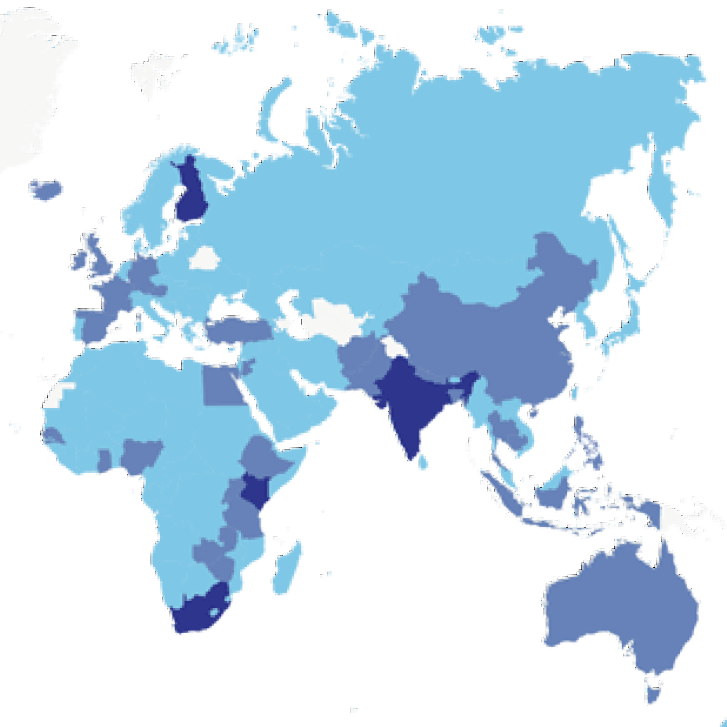
A new approach to addressing skills uncertainty and inequality across the globe.
Investors need to better educate themselves about the local context in which their funds are deployed.

Improving learning outcomes in India requires that funders and social purpose organizations shift to working on the entire educational ecosystem rather than focused interventions.