Nonprofits
Research: Start Them Younger
Children between the ages of 8 and 12 are an energetic, useful, yet largely overlooked pool of volunteer labor.
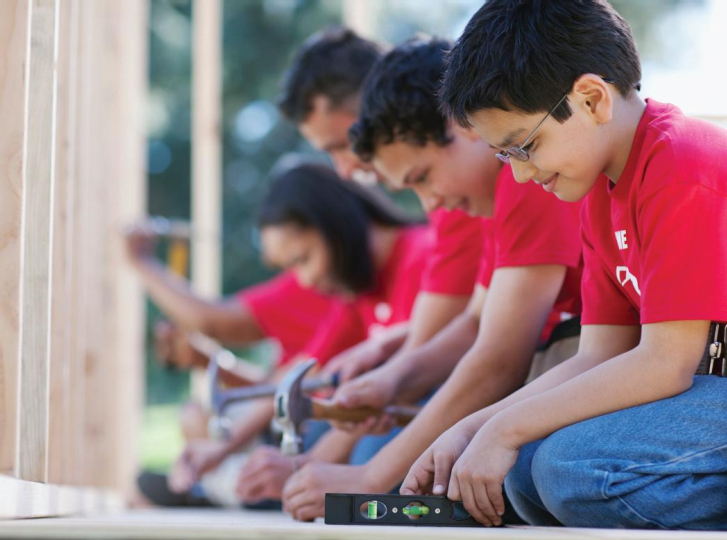
Children between the ages of 8 and 12 are an energetic, useful, yet largely overlooked pool of volunteer labor.

By working closely with the clients and consumers, design thinking allows high-impact solutions to social problems to bubble up from below rather than being imposed from the top.
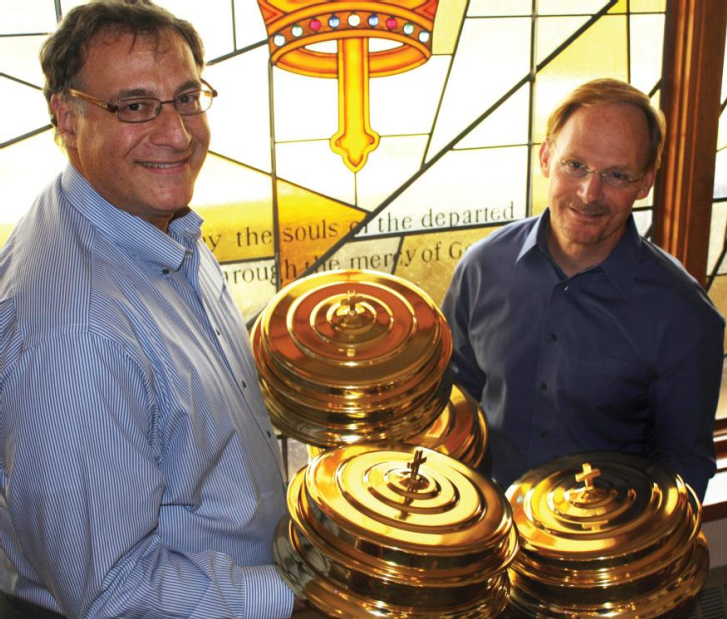
Forget about luring big companies with tax incentives and subsidized space. Chris Gibbons focuses Littleton, Colorado's efforts on growing home-town businesses.
A powerful tool to engage givers is storytelling – telling stories about people, the problems they face, and the role philanthropy can play in addressing the symptoms and causes of those problems.
ParkScan, an interactive Web tool, enages residents as park monitors.
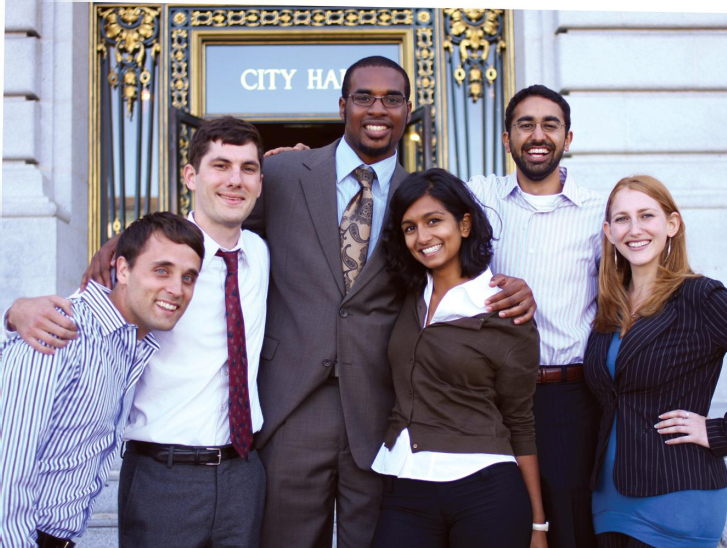
To halt the greying of municipal government, the City Hall Fellows program offers recent college graduates a year-long stint working on everyday challenges such as transportation, public works, and housing.

Artists, musicians, writers, and other creative types are asking the public to underwrite their dreams via an online fundraising platform.

Jeff Raikes takes over the Gates Foundation at a turbulent time when philanthropic resources are down and social needs are up.