


Global Issues
The Problem With Fair Trade Coffee
Fair Trade-certified coffee is growing in sales, but strict certification requirements are resulting in uneven economic advantages for coffee growers and lower quality coffee for consumers.
An inside look at one organization (more)

Fair Trade-certified coffee is growing in sales, but strict certification requirements are resulting in uneven economic advantages for coffee growers and lower quality coffee for consumers.
Several social enterprises are attempting to provide eyeglasses to the 500 million to 1 billion poor people who need them. Why haven’t any of the organizations succeeded on a large scale?
Acumen Fund uses impact investing to tackle global poverty. It's approach has garnered attention, but does it change aid?

Google DotOrg launched in 2004 with bold ambitions and almost $1 billion in seed funding. But the results have been less than stellar.
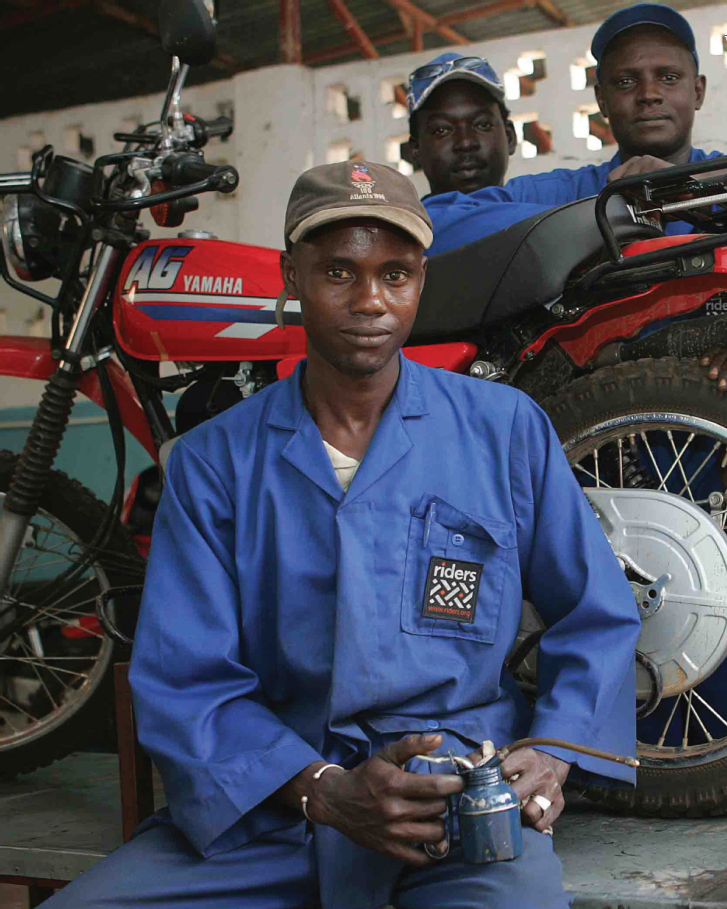
Riders for Health has created a novel approach to maintaining health transport vehicles in sub-Saharan Africa.

The LEED green-building certification system is one of the fastest growing nonprofits in America.

Over the past 17 years, the Forum for African Women Educationalists has delivered high-quality education to millions of girls across 35 African countries.

Maria Yee established her eco-friendly, high-end furniture company long before going green was the done thing. Two decades later, her company's environmentally sound practices not only reflect a planet-friendly ethos, but also drive a market-friendly creative edge.

Why Kiva chose to be a 501(c)(3), what this tax status buys the organization, and how being a nonprofit poses challenges.

By 1998, thousands of people had contracted HIV and hepatitis C from Canada’s tainted blood supply. To restore the supply and the public’s trust, the federal, provincial, and territorial governments of Canada created a new organization, Canadian Blood Services. Despite the public health tragedy that it inherited, Canadian Blood Services rebuilt Canadians’ faith in the nation’s blood supply by infusing transparency into its structure, culture, and operations.