

A Model for Restoring the Rust Belt
Deindustrialization hit Chicago's south suburbs hard. Can the Southland Development Authority breathe new life into the area and promote a template for reviving regions?

Deindustrialization hit Chicago's south suburbs hard. Can the Southland Development Authority breathe new life into the area and promote a template for reviving regions?
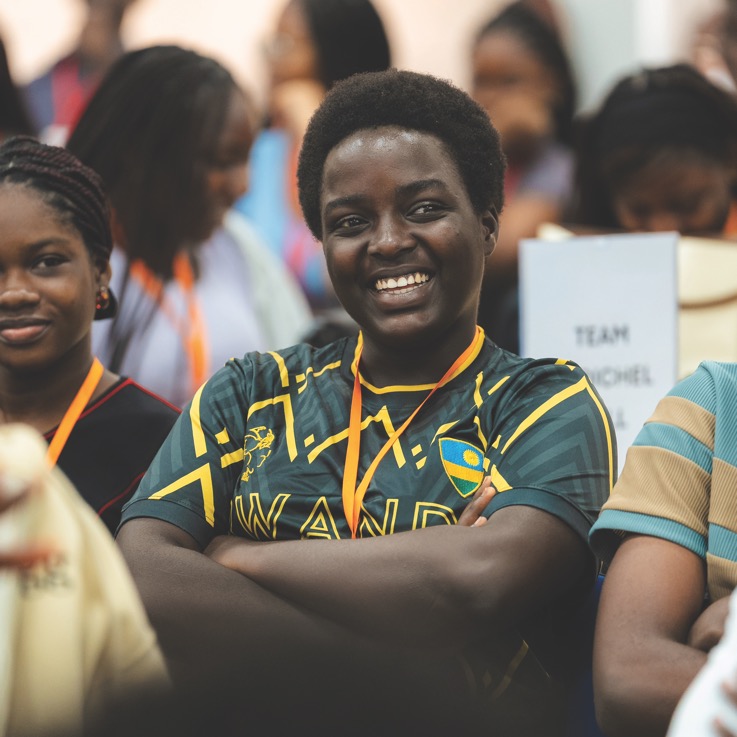
Patrick Awuah launched Ashesi University as an institution of higher learning thoroughly shaped by social innovation. While it began by borrowing ideas, methods, and credibility from elsewhere, it has evolved into a uniquely Ghanaian enterprise that is a model for Africa and the world.
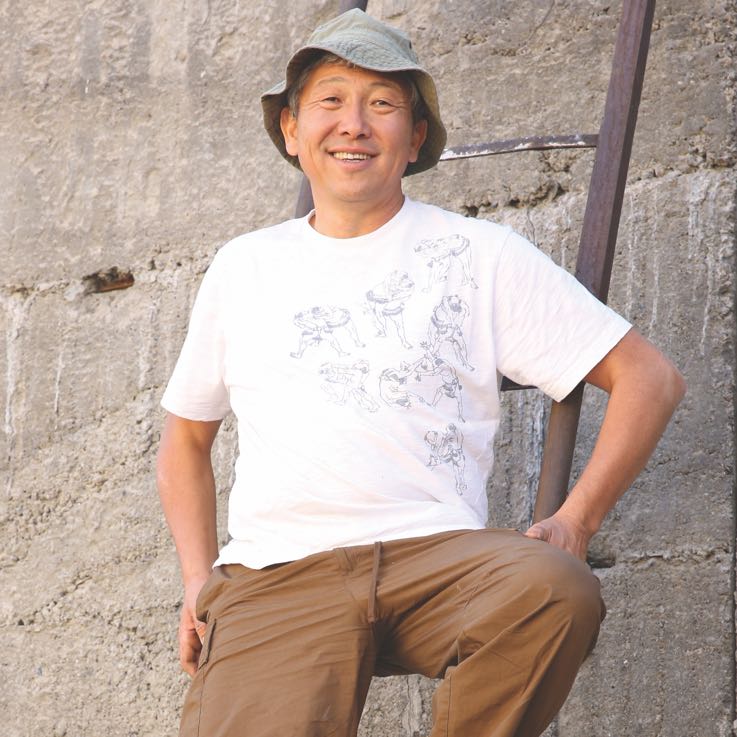
One Kyrgyz entrepreneur had an ambitious vision for transforming his country into a vital, independent nation free from its Soviet past. He reverse-engineered that vision into a stepping-stone strategy that is already having enormous impact in Kyrgyzstan and beyond.

EcoAmerica has developed a network to inform and coordinate other networks to push for climate action. With a reach of 60 million individuals across the United States, it offers important lessons for other large-scale efforts to overcome wicked problems. | Open access to this article is made possible by ecoAmerica.
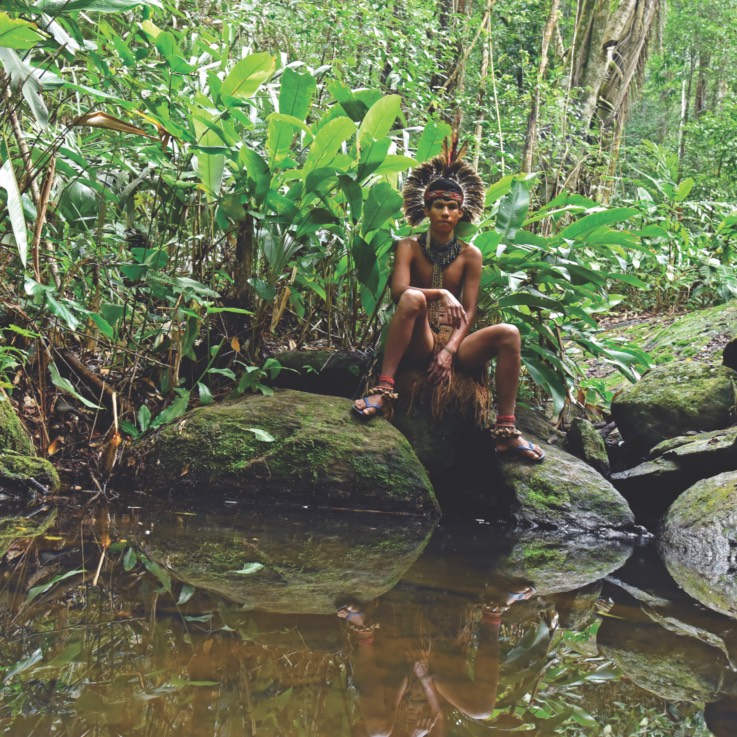
For 65 years, the WWF has led global conservation efforts in more than 100 countries. But as environmental challenges escalated in recent decades, the organization found its traditional methods falling short. WWF took the radical step of embedding a culture of innovation across its vast network. Could it transform while staying true to its mission?


Fair Trade-certified coffee is growing in sales, but strict certification requirements are resulting in uneven economic advantages for coffee growers and lower quality coffee for consumers.

For much of its history, Wal-Mart’s corporate management team toiled inside its “Bentonville Bubble,” narrowly focused on operational efficiency, growth, and profits. But now the world's largest retailer has widened its sights, building networks of employees, nonprofits, government agencies, and suppliers to “green” its supply chains. Here's how and why the world’s largest retailer is using a network approach to decrease its environmental footprint – and to increase its profitability.
Why Kiva chose to be a 501(c)(3), what this tax status buys the organization, and how being a nonprofit poses challenges.

Google DotOrg launched in 2004 with bold ambitions and almost $1 billion in seed funding. But the results have been less than stellar.

In August 2010 the US government closed ShoreBank, one of the country’s leading social enterprises. Why did ShoreBank fail?