


How One Innovative Energy Company Committed to Green an Entire Country
E.ON Italia sparked Italy’s green energy transition by igniting a movement within its workforce—one that rippled out to influence society at large.

E.ON Italia sparked Italy’s green energy transition by igniting a movement within its workforce—one that rippled out to influence society at large.
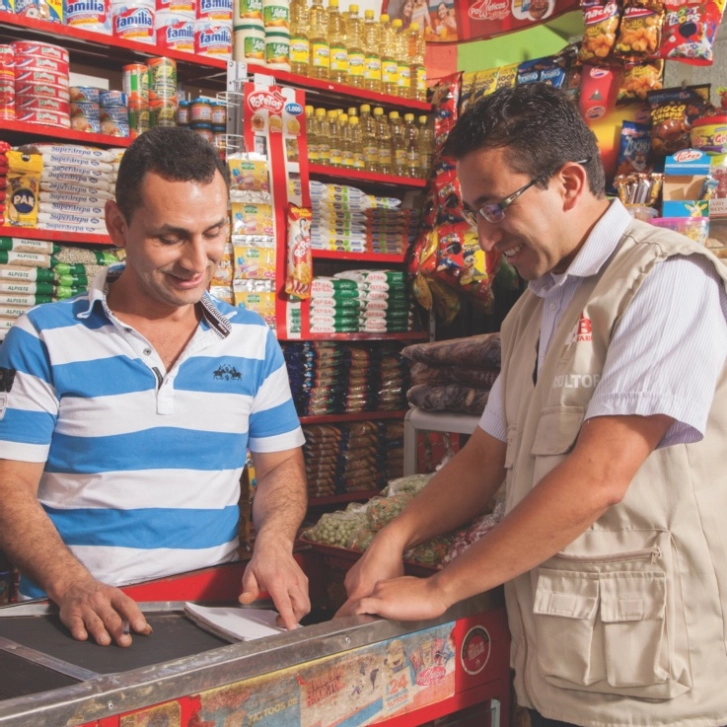
Forty years ago, FUNDES launched to serve small enterprises in Latin America. The organization had to reinvent itself many times to survive but continues to support the region’s economic and social development. | Open access to this article made possible by the University of Geneva
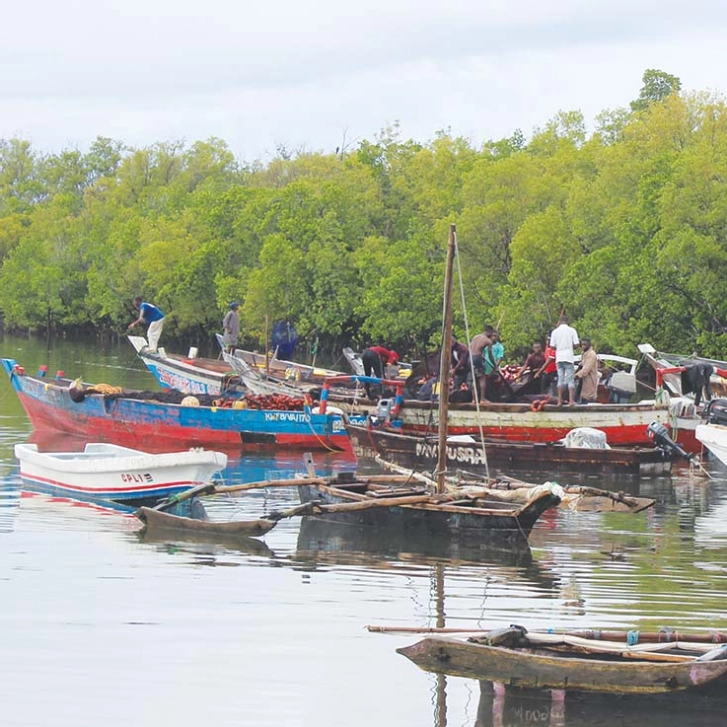
Kenyan fishing villages are restoring their mangroves in exchange for carbon credits and better fish stocks. Their community-led projects offer a model for doing conservation, sustainability, and development right.

The Social Progress Credits program was the world’s first privately led pay-for-success experiment. Its implementation has boosted the South Korean impact ecosystem and provides valuable lessons about the measurement and incentivization of social value.
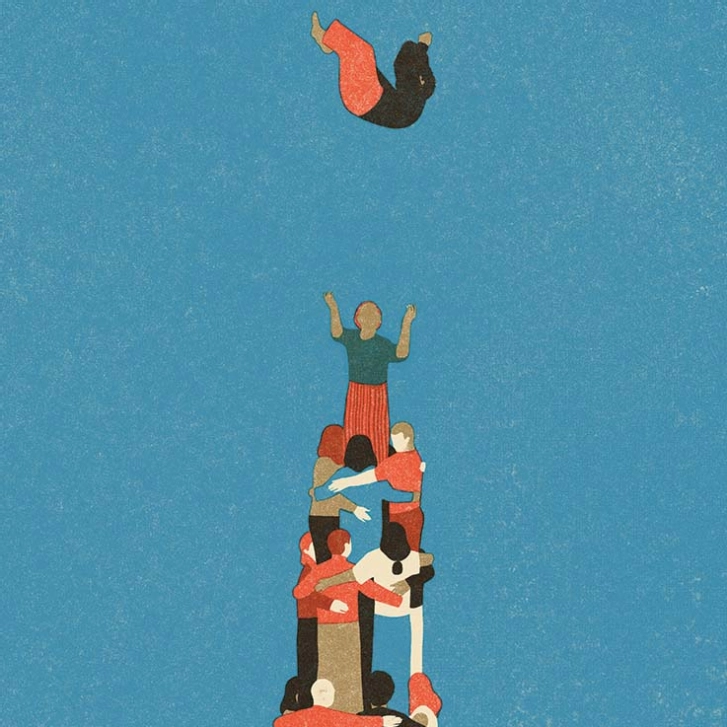
For the past two decades, the Jed Foundation has led the fight to address the mental health crisis among American youth. Its story highlights the importance of addressing the cultural causes of the mental health crisis through systems change. | Open access to this article is made possible by the Jed Foundation


Fair Trade-certified coffee is growing in sales, but strict certification requirements are resulting in uneven economic advantages for coffee growers and lower quality coffee for consumers.

For much of its history, Wal-Mart’s corporate management team toiled inside its “Bentonville Bubble,” narrowly focused on operational efficiency, growth, and profits. But now the world's largest retailer has widened its sights, building networks of employees, nonprofits, government agencies, and suppliers to “green” its supply chains. Here's how and why the world’s largest retailer is using a network approach to decrease its environmental footprint – and to increase its profitability.

Why Kiva chose to be a 501(c)(3), what this tax status buys the organization, and how being a nonprofit poses challenges.
Google DotOrg launched in 2004 with bold ambitions and almost $1 billion in seed funding. But the results have been less than stellar.

In August 2010 the US government closed ShoreBank, one of the country’s leading social enterprises. Why did ShoreBank fail?