

Confronting Suburban Poverty in America
Confronting Suburban Poverty in America offers a new look at American poverty as well as recommendations for combating it.
Social innovations that improve the health and resiliency of cities (more)

Confronting Suburban Poverty in America offers a new look at American poverty as well as recommendations for combating it.
A fledgling program trains designers to consider the ecological, economic, and social issues shaping the built environment.

Common Ground helps reduce the number of people sleeping on New York City streets by opening residential buildings for the homeless and impaired.

Public sector innovators are improving government by replicating the market conditions that have fostered breakthroughs in the private sector.

In the aftermath of the US housing crisis, Habitat for Humanity is working to build not just affordable homes, but affordable communities.

Creating Sustainable Societies offers guidance for rethinking today's economic and financial systems to incorporate such ideals as cooperation and democracy.
Local currency systems could strengthen metro economies and provide funds to address climate change and other urban problems.
Community-led dialogue is critical to sustainable collaborative approaches.
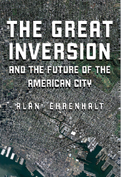
The vast majority of neighborhoods in American cities do not "trade places." Instead, concentrated poverty and its opposite, concentrated affluence, are surprisingly persistent.